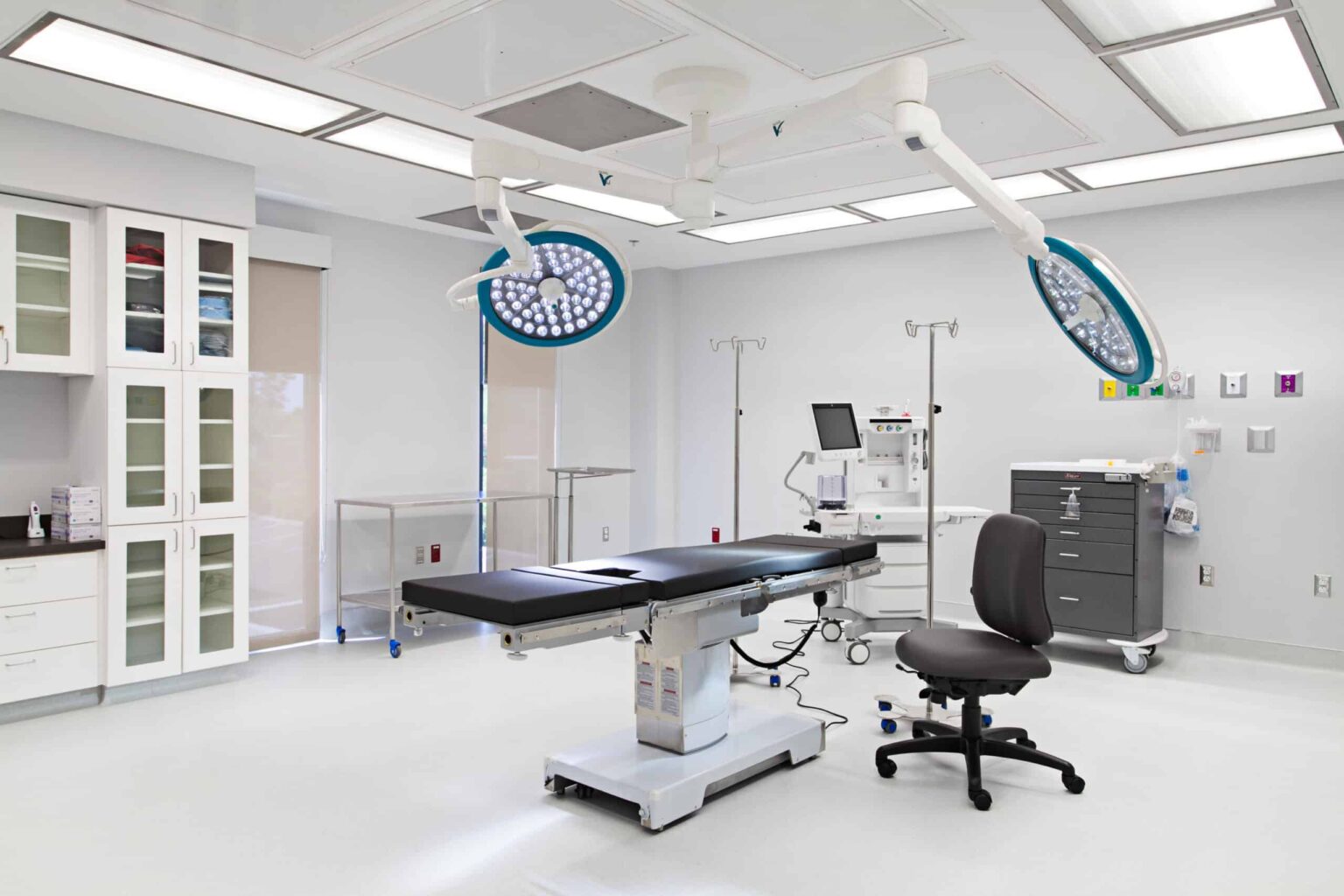
Modern surgical operating room with adjustable operating table, overhead surgical lights, and sterile medical equipment ready for procedures

2026 Aesthetic Trend Predictions

Aesthetic Trend: A Brief Overview

The conversation around aesthetics is changing quickly, and current trends point to a future defined by subtlety, longevity, and whole-person care. Patients are no longer chasing dramatic transformations or one-time fixes. Instead, they are seeking treatments that support healthy skin, natural structure, and long-term confidence. Across the industry, the focus is shifting toward regenerative approaches, non-surgical solutions, and personalized treatment planning that evolves over time. 

Insights highlighted by IAPAM, Aesthetic Medicine Magazine, and GCC Consulting reflect a broader movement toward wellness-driven aesthetics. Understanding where the industry is heading helps both patients and clinics align expectations with the future of aesthetic medicine. 

The Big Picture Shift in Aesthetics for 2026

At the heart of aesthetic trends for 2026 is a clear move toward non-surgical, regenerative, and multi-modality care. Patients want to look refreshed and healthy, not altered. The desired outcome is a natural glow, improved skin quality, and facial balance that still looks like them. 

Demand is also expanding across demographics. More men are seeking aesthetic care, while Millennials and Gen Z are entering clinics earlier with a preventative mindset. Rather than waiting to correct visible aging, these patients are focused on maintaining skin health, collagen levels, and overall appearance over time. These evolving expectations are reshaping how aesthetic treatments are delivered and how success is defined. 

Skin Quality and Regenerative Treatments Take Center Stage

One of the most consistent shifts shaping 2026 aesthetics is the growing emphasis on skin quality as a primary treatment goal. Instead of focusing solely on filling lines or adding volume, clinics are prioritizing therapies that improve hydration, elasticity, texture, and collagen production.

Biostimulators, advanced skin boosters, and regenerative technologies such as exosome-based therapies are gaining traction. These treatments work beneath the surface to strengthen the skin rather than mask aging. Patients are increasingly educated and understand that healthy skin forms the foundation of long-lasting results. In 2026, aesthetic plans will often begin with skin quality optimization before any structural or contouring treatments are considered.

Multi-Modality Treatment Planning Becomes the Standard

Another key shift influencing aesthetic care is the move away from isolated procedures toward comprehensive, long-term treatment plans. Single-treatment visits are being replaced by year-long strategies that evolve with the patient. These protocols may combine injectables, energy-based devices, medical-grade skincare, and maintenance treatments scheduled throughout the year. 

Full-face and even whole-body rejuvenation strategies are becoming more common. The goal is balance rather than addressing one concern in isolation. By layering treatments thoughtfully, clinics can deliver more natural outcomes while supporting long-term skin health. Patients benefit from results that appear consistent, refined, and gradual rather than sudden or obvious. 

Non-Surgical Body Contouring Meets Wellness

Body aesthetics continue to evolve as part of broader industry trends. Non-surgical body contouring and muscle-toning technologies remain in demand, but they are increasingly paired with wellness-focused support. Clinics are integrating conversations around metabolism, lifestyle habits, and long-term body maintenance into aesthetic care.

Rather than targeting a single area for a quick change, patients are encouraged to consider overall body composition and health. This approach aligns with broader wellness trends and reflects a growing preference for sustainable results. Aesthetic medicine is becoming less about correcting perceived flaws and more about supporting how patients feel and function in their bodies.

The Continued Rise of Male Aesthetics

Male patients are no longer a niche audience, and current trends show this demand accelerating. Men are seeking discreet, maintenance-focused treatments that enhance appearance without obvious signs of intervention. Common concerns include skin texture, under-eye fatigue, subtle facial contouring, and skin tightening.

Clinics are responding with treatment plans that respect male facial anatomy and aesthetic preferences. Consultations are more personalized, and outcomes are designed to remain understated. As stigma continues to fade, male aesthetics will remain an important growth area in 2026 and beyond.

Data-Driven Consultations and Preventative Care

Data and diagnostics are playing a larger role in shaping the future of aesthetic care. Advanced skin analysis tools, facial assessments, and personalized consultations allow treatments to be planned with greater precision. Patients value transparency and want to understand the reasoning behind treatment recommendations.

Preventative care is also gaining momentum. Instead of reacting to visible aging, patients are investing earlier in collagen preservation, skin health, and lifestyle adjustments. Aesthetic medicine is increasingly intersecting with wellness, nutrition, and long-term health planning, supporting more consistent and natural-looking outcomes over time.

A Clear Move Toward Natural Results

Perhaps the most defining theme shaping aesthetics in 2026 is the move away from overdone results. Heavy filler, exaggerated features, and dramatic changes are being replaced by conservative dosing, refined techniques, and long-term planning.

Patients want to look like themselves on their best day. Soft injectables, subtle contouring, and regenerative treatments allow for gradual improvement without obvious signs of intervention. Maintenance, rather than transformation, continues to define modern aesthetic care.

For clinics, success in 2026 depends on offering integrated, patient-centered care. Hybrid treatment plans that combine injectables, devices, regenerative therapies, and wellness support will define leading practices. Education, personalization, and long-term patient relationships are more important than ever.

For patients, these evolving trends reinforce the value of thoughtful planning and realistic expectations. Effective aesthetic care is no longer about quick fixes. It is about partnering with experienced providers, prioritizing skin health, and investing in results that evolve naturally over time.

As aesthetic medicine continues to mature, 2026 stands out as a year defined by balance, longevity, and patient-centered care. These trends reflect an industry moving beyond surface-level beauty toward a more holistic, confident, and sustainable vision of aesthetics.