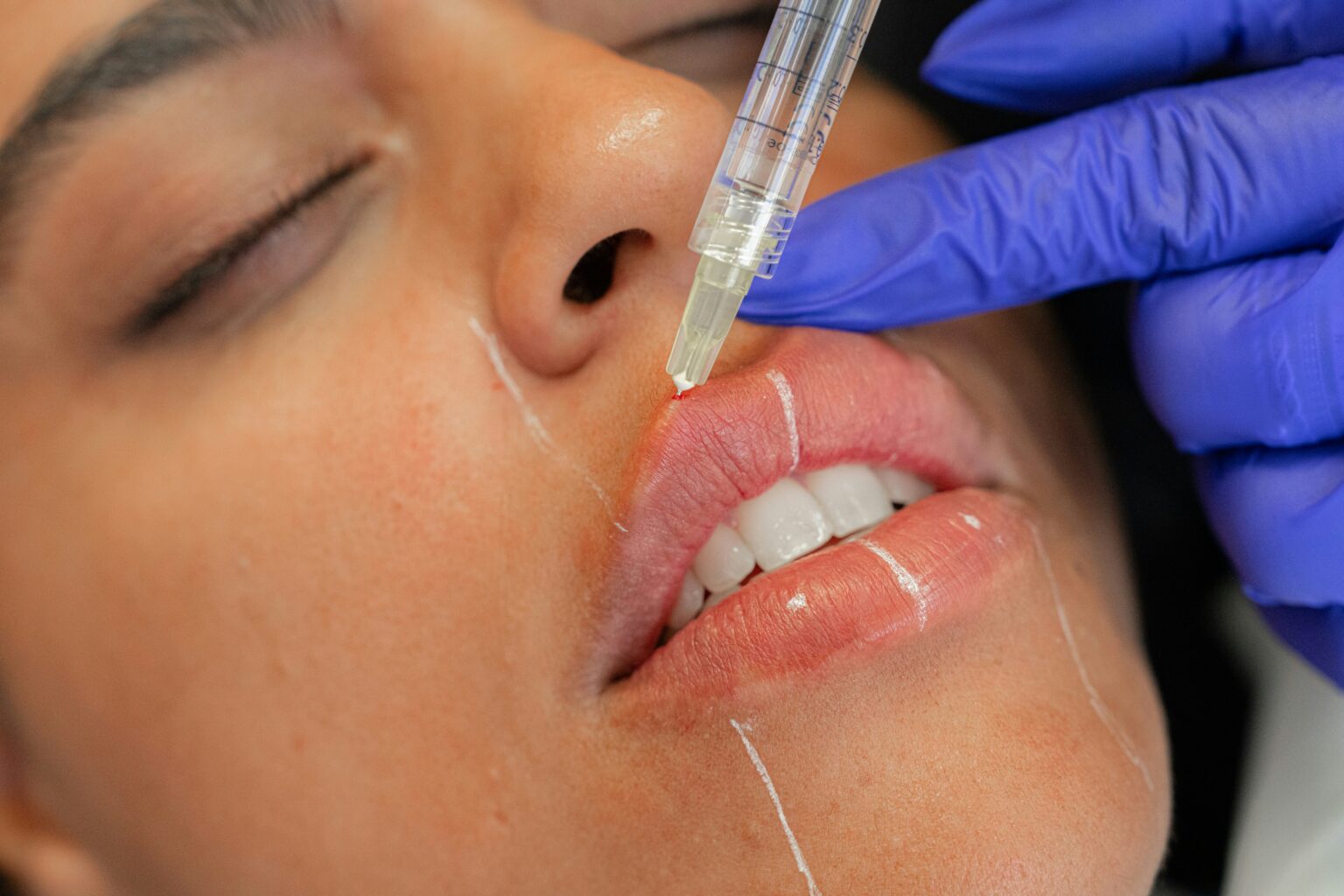

Close-up of a cosmetic injectable treatment being administered to the lips

5 Times You Should Skip Lip Filler: What to Do Instead

When Lip Filler Isn’t the Right Move

Lip filler is one of the most popular cosmetic enhancements worldwide; it’s minimally invasive, delivers instant volume, and can help refine the shape and symmetry of the lips. But just because it’s common doesn’t mean it’s always the right choice. There are several situations where saying no to filler; or waiting until later; can protect your health, enhance your results, and keep your aesthetic journey on track.

This guide outlines five clear times you should skip lip filler; and offers professional guidance on what to do instead.

1. You're Pregnant or Breastfeeding

It might seem obvious, but this is one of the most frequently asked questions; “Can I get lip filler while pregnant or nursing?” The answer is no. While dermal fillers are generally considered safe for the broader population, they haven’t been tested on pregnant or breastfeeding individuals. That means there’s no safety data to confirm how the ingredients could affect you or your baby.

Most reputable clinics will not treat pregnant or lactating patients with injectable products; whether hyaluronic acid; based or otherwise. Your body’s immune and hormonal responses are different during this time; swelling may be unpredictable, and healing could be altered.

What to Do Instead

Focus on hydration and natural lip care. Use gentle exfoliation, apply peptide; rich balms, and drink plenty of water to maintain fullness. Once your body has returned to its baseline, you’ll be in a much better position to safely explore enhancement options.

2. You're Recovering From a Recent Illness

Illness places your immune system under stress; and getting lip filler too soon after recovering from a virus, bacterial infection, or even dental work can increase the risk of complications. Fillers are still a foreign substance in the body, and injecting them while your system is still inflamed could trigger swelling, bruising, or even delayed onset nodules.

Getting lip filler with active cold sores (herpes simplex virus) is contraindicated and you must wait until the outbreak has cleared up before having filler placed. If you’re prone to outbreaks, lip injections can potentially trigger an outbreak due to the trauma, so you will want to pretreat with an antiviral prophylaxis medication prior to your lip filler appointment and for a few days after. With a history of cold sores, lip filler must be timed right to prevent a cold sore outbreak.

What to Do Instead

Wait at least 2-3 weeks after full recovery from illness when booking your treatment. If you’re prone to cold sores, speak with your provider about antiviral prophylaxis such as acyclovir; this can prevent reactivation during or after lip injections.

3. You Have Unrealistic Expectations

Lip filler can enhance shape, improve asymmetry, and add volume; but it won’t radically change the structure of your lips or turn a thin-lipped person into someone with dramatically full lips overnight. Unrealistic expectations are one of the most common reasons for aesthetic dissatisfaction; and ethical providers will always help set honest goals.

If you’re expecting a “celebrity pout” or have a photo of someone with a completely different facial structure, it’s worth re-evaluating whether filler will meet your desired expectations. Overfilled lips often lead to distortion, migration, or the infamous “duck lip” appearance.

What to Do Instead

Book a consultation focused on facial harmony. Let your provider assess your lip shape, proportions, and facial balance. They may suggest subtle lip filler, chin enhancement, or other small refinements that better support your desired look.

4. You're Going Through a High; Stress Period

While it might be tempting to schedule aesthetic treatments during stressful life phases; like after a breakup, career change, or major transition; these moments can cloud judgment. Making long term decisions under emotional strain often leads to overcorrection or dissatisfaction.

Stress also impairs healing. Elevated cortisol levels can affect how your body reacts to filler, and you may experience prolonged bruising or swelling. More importantly, impulsive cosmetic changes made under duress can lead to regret.

What to Do Instead

Pause and focus on self care. Reconnect with your goals and return when you’re feeling emotionally balanced. In the meantime, a facial, massage, or skincare treatment can offer the boost you’re seeking.

5. You've Had Recent Filler Migration or Complications

Filler migration can happen. When filler spreads beyond the intended area, often in the lips from overfilling or improper technique, it can cause unnatural puffiness above or below the lip blurring lip lines.

If you’ve noticed puffiness above the lip line or feel lumps inside the lip tissue, it’s essential not to continue injecting more product. Adding volume can make migration worse and a good provider won’t do this.

What to Do Instead

Consult with a provider trained in correction. They may recommend hyaluronidase, an enzyme that dissolves existing filler and resets the area. After full breakdown and healing (typically 2 weeks), you can reassess whether re-treatment is appropriate.

Bonus: When You're New to Aesthetic Treatments

If you’ve never had injectables before, diving straight into lip filler can feel overwhelming. Even though it’s a minimally invasive procedure, it still requires a solid understanding of risks and expectations.

Rushing into filler without a proper facial assessment and consultation from a medical professional can lead to unrealistic expectations and unfavorable results leading to unnecessary adjustments down the road. It’s important to view injectables as a medical treatment done by a trained medical provider.

What to Do Instead

Start with a consultation and discuss a lip flip with Botox with your provider to see if this treatment is right for you. Or if you’d rather start with filler, discuss a soft filler used to hydrate your lip and give a subtle plumping effect. These formulas enhance texture and hydration with minimal volume; perfect for first-timers who want to ease into enhancement.

Key Takeaways for Safer, Smarter Lip Enhancement

Here’s a quick recap of when to say no to lip filler:

  1. Pregnancy or breastfeeding
  2. Recent illness or infection
  3. Unrealistic expectations
  4. High emotional stress
  5. Signs of previous filler migration or complications

Making the decision to skip lip filler at certain times isn’t a setback; it’s a proactive move to ensure you get the safest, most flattering results possible. Aesthetic medicine isn’t just about what’s possible, it’s about what’s right for you, at the right time, in the right hands.