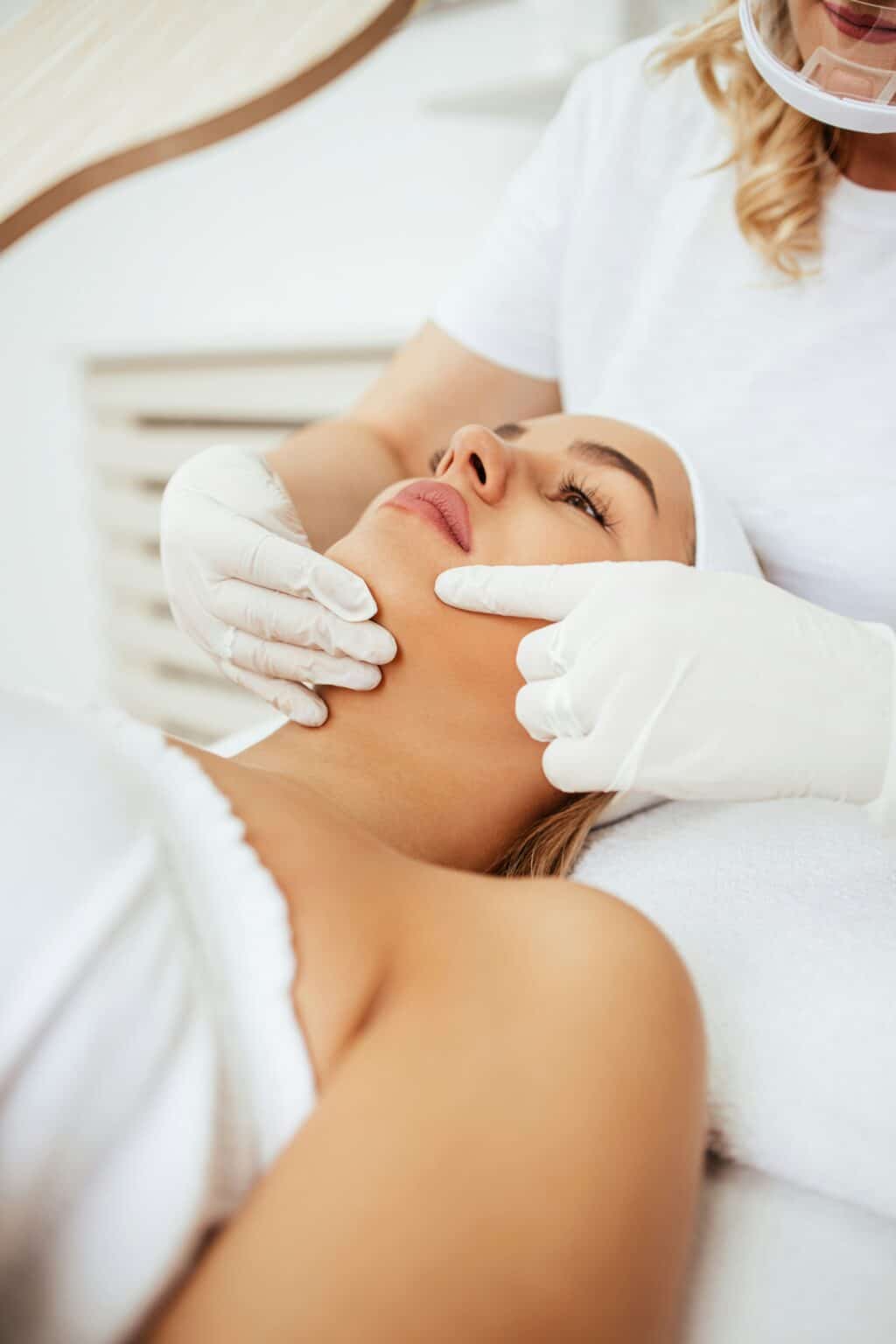


Patient receiving a facial treatment from a medical professional wearing gloves in a clinical setting.

Ablative vs. Non-Ablative Lasers: Key Differences and Which Treatment Is Best for Your Skin

Ablative vs. Non-Ablative Lasers: Which One Actually Gives You Better Skin? | David Robbins MD, FACS

Dr. David Robbins

MD

Understanding Laser Skin Resurfacing

Laser skin treatments have transformed how common skin concerns like fine lines, wrinkles, acne scars, sun damage, uneven texture, and hair loss are treated. When exploring your options, you will often hear about ablative and non ablative lasers, along with advanced technologies such as Morpheus8. While all of these treatments can significantly improve skin and scalp quality, they work in different ways and offer varying results, recovery timelines, and treatment experiences.

Understanding the differences between ablative and non ablative lasers, and how treatments like Morpheus8 address both skin rejuvenation and hair loss concerns, is essential when choosing the right approach for your goals, lifestyle, and downtime availability.

What Are Ablative Lasers?

Ablative lasers are more intensive. They work by removing the outermost layer of skin to reveal fresher, smoother, younger-looking skin underneath. These lasers also heat the deeper layers of the skin to stimulate collagen production, which tightens and firms the skin over time.

Because ablative lasers resurface the top layer of skin, they are especially effective at treating moderate to severe wrinkles, deep acne scars, and significant sun damage. Common ablative laser types include CO2 lasers and Erbium lasers.

Benefits of Ablative Lasers

  • Significant improvement in texture, tone, and firmness
  • More dramatic results in fewer sessions
  • Long-term collagen stimulation

Considerations

  • Longer recovery time (typically 7–14 days)
  • Redness and peeling during healing
  • May require some downtime and aftercare

What Are Non-Ablative Lasers?

Non-ablative lasers treat the deeper layers of the skin without damaging the surface. Instead of removing skin, these lasers use targeted energy to heat the underlying tissue and stimulate collagen growth. Over time, this leads to firmer, more even-toned skin.

Non-ablative lasers are ideal for patients looking to improve mild to moderate signs of aging, pigmentation, and skin texture with little to no downtime. These treatments are gentler and often used in a series of sessions for optimal results.

Benefits of Non-Ablative Lasers

  • Minimal to no downtime
  • Less discomfort during and after treatment
  • Suitable for all skin types, including darker skin tones

Considerations

  • Requires multiple sessions to see full results
  • More gradual improvements over time
  • Less dramatic results compared to ablative options

Key Differences at a Glance

Feature Ablative Lasers Non-Ablative Lasers
Skin Surface Removal Yes No
Downtime 7–14 days Minimal to none
Pain/Discomfort Moderate to high (may need numbing) Low to moderate
Number of Sessions Often 1–2 sessions Typically 3–6 sessions
Best For Deep wrinkles, scars, severe damage Mild aging, texture, pigmentation
Results Timeline Visible after 1 session Gradual improvement over months


Choosing the Right Treatment for Your Skin

Choosing between an ablative and non-ablative laser comes down to your goals, skin type, and how much downtime you can accommodate.

Choose Ablative If:

  • You want fast, noticeable results in fewer sessions
  • You are targeting deeper wrinkles or scars
  • You can manage a week or more of downtime
  • You have lighter skin and are not prone to pigmentation issues

Choose Non-Ablative If:

  • You prefer subtle improvements with no downtime
  • You’re new to laser treatments or have sensitive skin
  • You have a darker skin tone or pigmentation concerns
  • You want ongoing maintenance for youthful skin

Recovery and Aftercare

Ablative laser recovery typically involves redness, swelling, and peeling. You’ll need to follow post-treatment instructions closely, including using healing ointments, avoiding sun exposure, and skipping makeup for several days. Full healing can take one to two weeks, and redness may persist slightly longer.

Non-ablative lasers allow you to return to normal activities almost immediately. Some patients experience mild redness or sensitivity for a few hours, but it’s usually manageable with basic skincare and sunscreen. Since multiple sessions are required, you’ll gradually see results with each treatment.

Customizing Your Treatment Plan

Not every skin is the same, which is why the best laser treatment for you depends on several factors:

  • Skin type and tone
  • Level of skin damage
  • Your desired outcome
  • Tolerance for downtime
  • Previous skin treatments

In some cases, your provider may even recommend combining laser types or alternating with other skin treatments like microneedling, chemical peels, or radiofrequency therapies to enhance results.

Maintaining Results

No matter which laser you choose, maintenance is key. Use sunscreen daily, avoid smoking, follow a consistent skincare routine, and consider touch-up treatments as advised by your provider. Healthy lifestyle choices can prolong your laser results and keep your skin looking vibrant and youthful.

Final Thoughts

Both ablative and non ablative lasers offer powerful tools for rejuvenating the skin and supporting hair loss concerns, but they work in very different ways. Ablative lasers deliver faster, more dramatic results with increased downtime, while non ablative lasers provide gradual improvements with minimal disruption. Treatments like Morpheus8 add another option by improving skin firmness, texture, and overall scalp health with a controlled recovery time.

If you are unsure which approach is best for your skin, a consultation with a qualified skincare professional or laser specialist can help. By evaluating your goals, skin condition, and lifestyle, they can determine whether ablative lasers, non ablative lasers, or Morpheus8 is the most effective choice and create a personalized treatment plan designed for safe, lasting results.