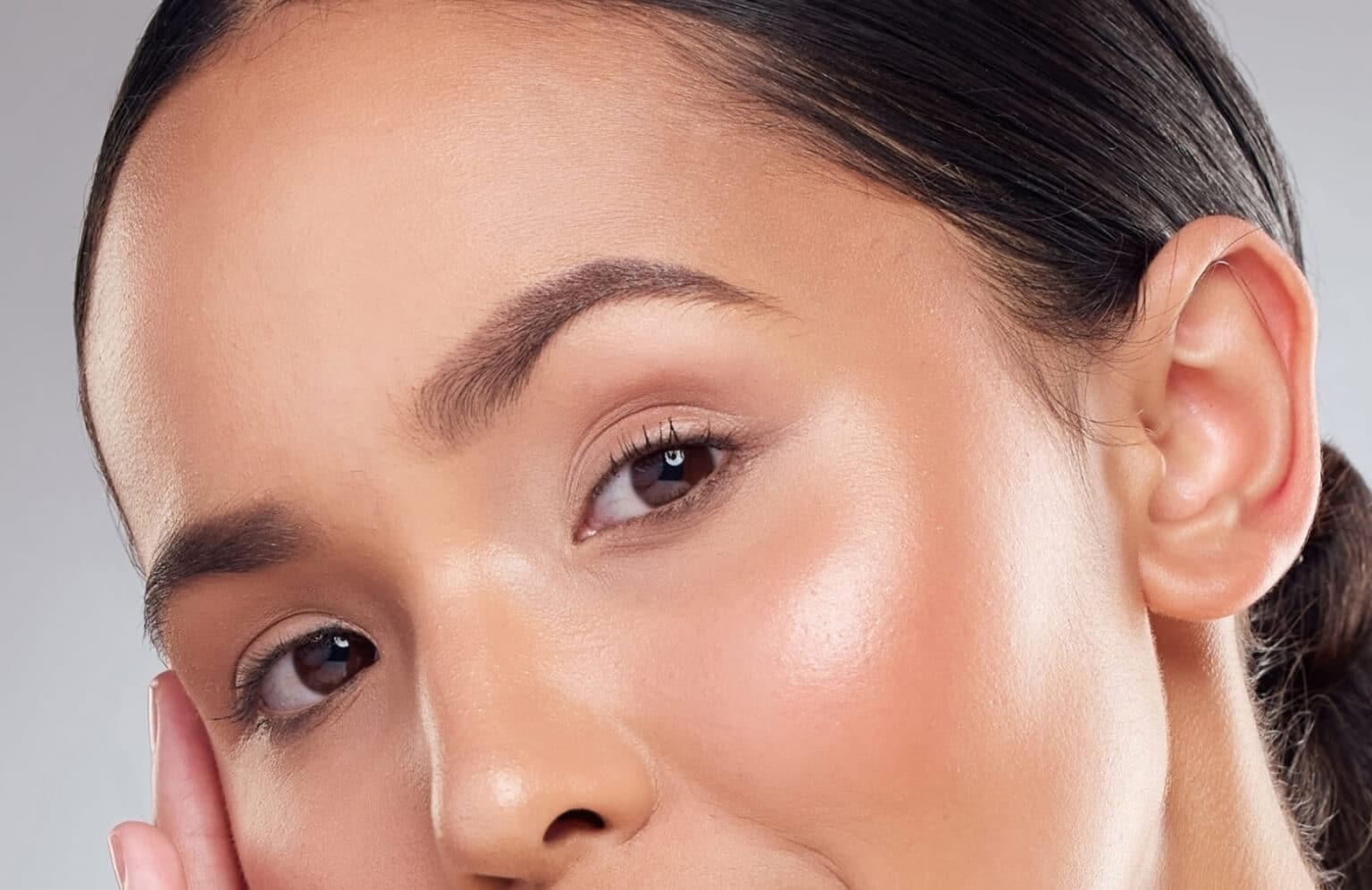

A tight close-up of a woman’s face focusing on her eyes, cheek, and ear, with dark hair pulled back smoothly. Her skin appears luminous and evenly toned with a natural glow on the cheekbone, softly groomed brows, and minimal makeup against a neutral studio background.

5 Must-Knows Before Getting Botox: What Everyone’s Asking

Botox: A Brief Overview


Aesthetic Treatments  ·  Injectables  ·  Botox

Medically reviewed by Board-Certified Plastic Surgeons  ·  5 min read

Key Takeaways

  • Botox relaxes targeted facial muscles to soften dynamic wrinkles, the lines created by repeated movement.
  • Results build gradually over 3 to 14 days, not immediately.
  • Effects last about 3 to 4 months, so maintenance is part of the plan.
  • The treatment itself is under 20 minutes with little to no downtime.
  • Injector skill matters more than the brand on the syringe. Placement, dosing, and anatomy drive the result.

Botox has become one of the most widely used non-surgical cosmetic treatments in the world, helping millions of patients soften wrinkles and maintain a refreshed appearance. As interest in injectables continues to grow, more patients are researching the treatment thoroughly before booking a first appointment.

The five considerations below outline what every first-time patient should understand before getting Botox, from how the treatment actually works to how to choose the right injector.

1. Botox works by relaxing facial muscles

Botox is a neuromodulator that temporarily relaxes the targeted facial muscles responsible for dynamic wrinkles. Dynamic wrinkles are the lines formed by repeated movement: smiling, frowning, raising the eyebrows. Over time, those movements can leave lines visible even at rest. Botox softens them while still allowing natural expression. Common areas include forehead lines, frown lines between the brows, and crow’s feet around the eyes.

2. Results take a few days to appear

Botox does not work instantly. The neuromodulator begins affecting the targeted muscles gradually over several days. Most patients notice early changes within 3 to 5 days. Full results typically appear around 10 to 14 days, once muscle relaxation has fully developed. Because results build slowly, the improvement looks natural rather than sudden.

3. Results are temporary

Botox is not permanent. The body naturally metabolizes the neuromodulator over time, and muscle movement gradually returns. Most patients see results last approximately 3 to 4 months. Many schedule maintenance treatments a few times per year. With consistent treatment, facial muscles can become trained to move less aggressively, which often helps prolong the result.

4. The treatment is quick and minimally invasive

A Botox appointment typically takes under 20 minutes with little to no downtime. The injector uses a fine needle to place precise injections into targeted muscles. Most patients describe the sensation as a brief pinch. Normal daily activities usually resume immediately, with a few short-term precautions during the first several hours after treatment.

5. The injector matters as much as the product

Botox is widely available, but the experience and skill of the injector is what produces a natural-looking result. Proper placement, dosing, and anatomical understanding are essential to maintain balance and avoid an overdone appearance. Look for medical providers with documented training, deep knowledge of facial anatomy, a personalized consultation process, and an aesthetic philosophy focused on subtle, natural results from verified providers.

“The product on the shelf is the same everywhere. The result on your face is not. It is built by the hand placing the needle, the anatomy underneath, and the restraint to stop at the right dose.”

What to expect during the next 14 days

Botox results unfold on a predictable timeline. Knowing what to expect at each stage helps reduce anxiety and prevents over-correction at follow-up visits.

Timeline What to Expect
Treatment day Injections placed; mild redness or small bumps possible at injection sites
First 4 hours Avoid lying down, strenuous exercise, and rubbing the treated area
Day 1 to 2 Most injection-site effects fade; no visible change to wrinkles yet
Day 3 to 5 Early softening of treated lines becomes visible
Day 10 to 14 Full results visible; ideal time for a touch-up assessment if needed
Month 1 to 3 Sustained smoothing of treated areas
Month 3 to 4 Muscle movement gradually returns; maintenance often scheduled

Common Botox treatment areas

Different areas of the face address different concerns. The table below outlines the most commonly treated zones and what each addresses.

Area What It Treats Typical Result
Forehead Horizontal forehead lines Smoother, softer brow
Glabella (between brows) “11” lines, frown lines Relaxed, less furrowed expression
Crow’s feet Lines at the outer corner of the eyes Softer smile lines while preserving expression
Bunny lines Lines along the bridge of the nose when scrunched Smoother upper nose contour
Masseter (jaw) Jaw clenching, teeth grinding, wide jawline Slimmer jaw contour and reduced clenching over time
Chin (mentalis) Dimpled or “orange peel” chin texture Smoother chin contour
Lip flip Thin upper lip or vertical lip lines Subtle upper lip eversion; preserves natural lip volume

For many patients, Botox is a simple and effective way to soften facial wrinkles without surgery or downtime. Booking a consultation with an experienced injector helps confirm that the treatment fits your goals and ensures the result is subtle, natural, and aligned with the rest of your face.

Find a verified Botox injector

Every provider in the World’s Leading Clinics network is independently verified for board certification, training, complication management, and authenticated patient outcomes.

Browse Certified Clinics

Frequently asked questions

How long does Botox last?

Most patients see Botox results last approximately 3 to 4 months. Duration depends on the area treated, dose, individual metabolism, and consistency of treatment. With regular maintenance, results often hold longer over time.

Does Botox hurt?

Most patients describe the sensation as a brief pinch with each injection. The needle is very fine and the treatment is quick. Numbing cream can be applied beforehand for patients who prefer extra comfort.

Is Botox safe?

Botox is FDA-approved and one of the most widely studied cosmetic treatments. It is considered safe when administered by a qualified medical provider with proper training in facial anatomy and dosing.

How soon will I see results?

Early softening typically appears within 3 to 5 days. Full results develop around 10 to 14 days after treatment once the neuromodulator has fully relaxed the targeted muscles.

Can Botox prevent wrinkles?

Botox does not prevent aging, but consistent treatment can help slow the development of deeper dynamic wrinkles by reducing repeated muscle contraction in expressive areas of the face.

What is the difference between Botox and filler?

Botox relaxes muscles to soften dynamic lines from movement. Dermal filler replaces lost volume or supports structure. They address different concerns and are often combined in a single visit.

What should I avoid after Botox?

For the first 4 hours, avoid lying down, strenuous exercise, and rubbing the treated area. Skip facials and saunas for 24 hours. These precautions help the product stay in the intended muscle group.

How do I find a qualified Botox injector?

Choose a medically supervised provider with documented Botox training, deep knowledge of facial anatomy, and a portfolio of natural-looking results. World’s Leading Clinics independently verifies every certified provider and clinic in our directory.

References

  1. U.S. Food and Drug Administration. BOTOX Cosmetic (onabotulinumtoxinA) Prescribing Information. fda.gov
  2. American Society of Plastic Surgeons. Botulinum Toxin Treatment: Patient Information. plasticsurgery.org
  3. American Society for Dermatologic Surgery. Neuromodulators: Consumer Guide. asds.net
  4. Carruthers JA, Lowe NJ, Menter MA, et al. A Multicenter, Double-Blind, Randomized, Placebo-Controlled Study of the Efficacy and Safety of Botulinum Toxin Type A in the Treatment of Glabellar Lines. J Am Acad Dermatol. 2002.
  5. Carruthers J, Fagien S, Matarasso SL. Consensus Recommendations on the Use of Botulinum Toxin Type A in Facial Aesthetics. Plast Reconstr Surg. 2004.
  6. American Academy of Dermatology Association. Botulinum Toxin Therapy: Overview. aad.org

World’s Leading Clinics logo

World’s Leading Clinics

Medically Reviewed · Board-Certified Plastic Surgeons

This article is independently produced by the World’s Leading Clinics editorial team and reviewed by board-certified plastic surgeons and dermatologists before publication. Every clinic and provider listed in our directory is independently verified for board certification, accredited facility standards, complication training, and authenticated patient outcomes. We accept no paid placements. Learn how we verify.