
Breast Augmentation: Top 5 Questions to Ask Before Getting Implants

Dr. Tiffany McCormack
29 October, 2025
What is a Breast Augmentation?
Breast augmentation is one of the most popular cosmetic procedures worldwide; and for many, it’s a deeply personal decision. Whether the motivation is to restore volume after pregnancy or weight loss, achieve better symmetry, or simply boost confidence, breast implants can offer transformative results.
However, this surgical procedure isn’t one-size-fits-all. It involves careful considerations around type, size, shape, surgical technique, and recovery timelines, which is why understanding what to expect from modern breast augmentation surgery including implants and recovery is essential before moving forward. To help you approach your decision with clarity and confidence, here are the top five questions you should ask during your consultation with a board-certified plastic surgeon.
Top 5 Frequently Asked Questions
1. What implant size and type are best for me?
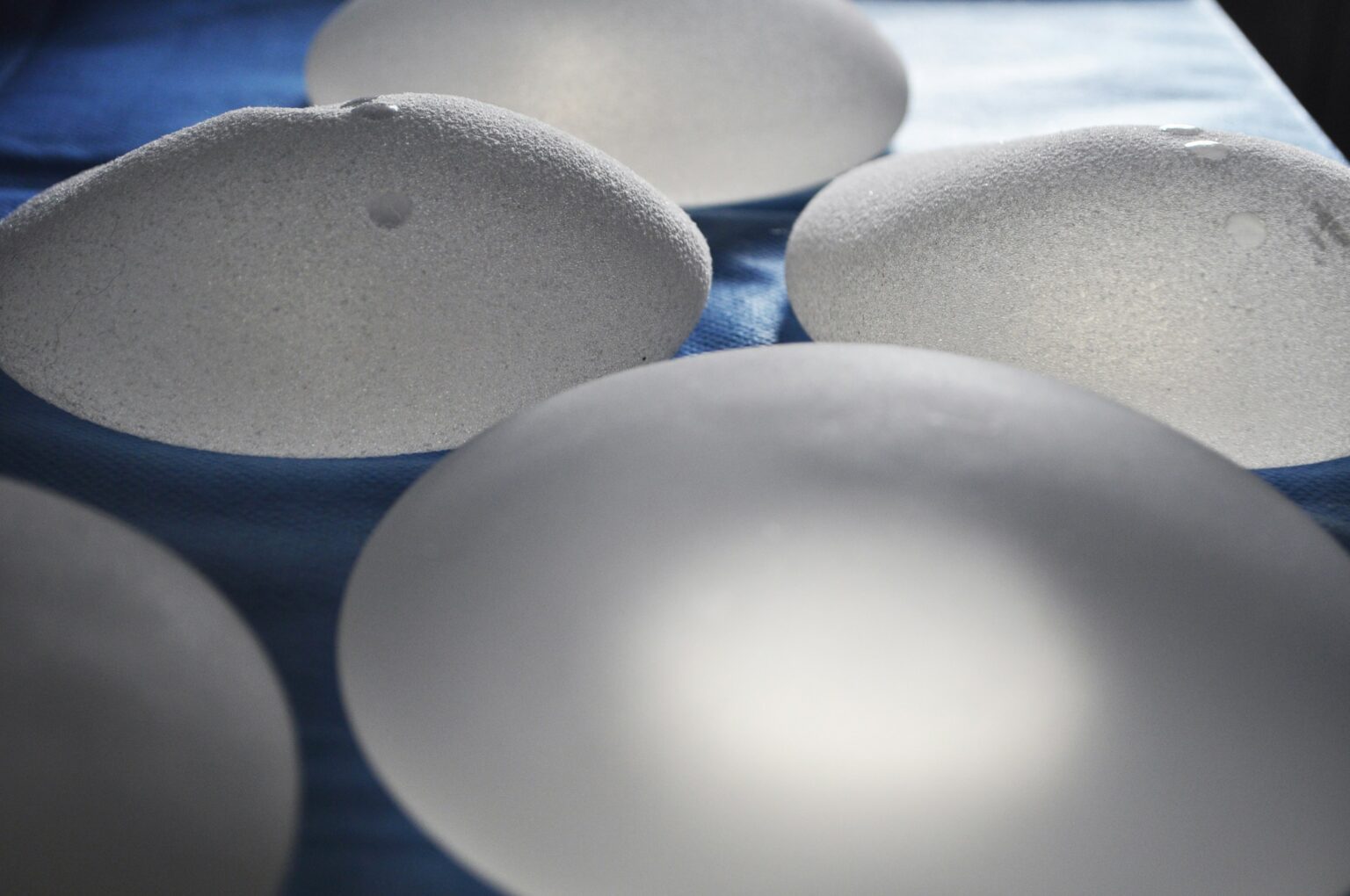
Choosing the right implant is about more than just cup size. We evaluate your body proportions, chest width, skin elasticity, existing breast tissue, and your long-term aesthetic goals. Saline implants may appeal to those who prefer a slightly firmer feel and a smaller incision, while silicone implants are the most popular choice for their natural look and feel. Silicone implants can vary in shape and projection; some offering more upper pole fullness and others a softer, more gradual contour, depending on their level of cohesiveness. The best choice is the one that complements your body and lifestyle, and feels right for you.
2. Should my implant go over or under the muscle?
Implants can be placed either above (subglandular) or below (submuscular) the pectoral muscle, and each option has specific benefits. Submuscular placement often results in a more natural contour, especially for women with less native breast tissue. It can also reduce the risk of visible edges or rippling and may aid in future mammogram clarity.
On the other hand, subglandular or subfascial placement may be preferred for patients with sufficient tissue coverage or for athletes who want to avoid interference with chest muscle function. It also typically allows for a shorter recovery. Your surgeon will consider your activity level, tissue characteristics, and aesthetic preferences before recommending the optimal placement.
3. What are the risks and long-term maintenance?
Breast implants are long-lasting, but they are not lifetime devices. Common long-term considerations include implant rupture, capsular contracture (the hardening of scar tissue around the implant), shifting or rippling, and the possibility of future revision surgeries. While most patients enjoy many years of satisfaction without issue, it’s important to remain proactive about implant health.
Surgeons typically recommend periodic imaging, such as MRI or ultrasound, particularly for silicone implants, to assess their condition. Staying informed and attending routine follow-up appointments helps ensure any concerns are addressed early and managed appropriately.
4. Will I need a breast lift too?
Not all breast augmentations require a lift, but in cases of sagging, stretched skin, or nipple descent; often due to pregnancy, breastfeeding, significant weight loss, or even just aging; a breast lift may be advised alongside implants. This combined approach improves both volume and positioning, ensuring a more youthful and uplifted appearance.
During your consultation, your surgeon will assess your skin laxity, nipple position, and desired outcome. In some cases, a lift can be performed with minimal additional scarring, using techniques that preserve breast sensation and natural shape.
5. How will implants affect mammograms or breastfeeding?
Breast implants don’t prevent you from receiving mammograms, but they do require slight modifications in imaging technique. Radiologists may use specialized angles or additional views, known as Eklund views, to visualize the full breast tissue behind the implant. These imaging considerations are an important part of understanding how breast augmentation can enhance breast shape, volume, and overall proportion while still supporting long term breast health.
When it comes to breastfeeding, most women with implants can nurse successfully. However, certain incision types, particularly those around the areola, may carry a slightly higher risk of affecting milk ducts or nerve sensitivity. These factors will be reviewed during your consultation to help you make a confident and fully informed choice based on your future family plans.
Going Beyond the Questions, Emotional and Self-Care Considerations
While these five core questions cover the technical side, there are emotional and psychological aspects to acknowledge as well:
- Your Emotional Readiness: Undergoing cosmetic surgery is both exciting and daunting. Being mentally prepared, with realistic expectations and support from friends or family, contributes to a more positive experience.
- Lifestyle Integration: Consider how implants might affect your everyday life, from clothing choices and intimacy to exercise routines. Talk openly with your surgeon about any concerns.
- Body Image Work: If insecurity is part of your motivation, consider whether support from a therapist or counselor could be helpful in conjunction with surgery. A holistic approach strengthens long-term satisfaction.
This layered approach; combining surgical knowledge with emotional readiness; ensures you honor both your body and your mind.
Breast augmentation isn’t a one-size-fits-all journey; it’s a deeply personal path that deserves reflection, preparation, and expert guidance. By asking the right questions about implant type, sizing, risks, recovery, and surgeon credentials, you place yourself in a position of awareness and empowerment.
Subscribe to get updates
Stay informed about our latest offerings and news.
By subscribing you agree to our Privacy Policy.