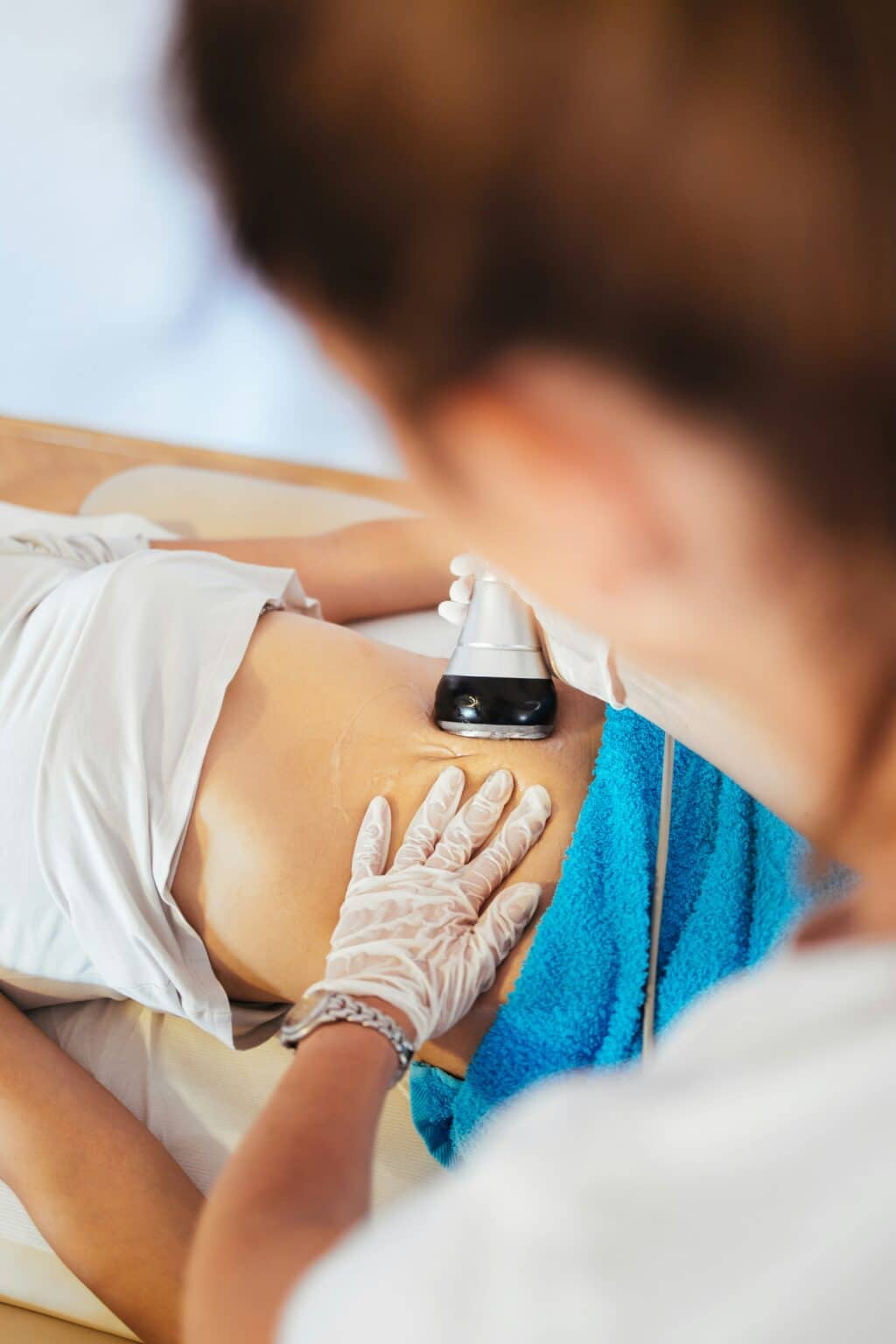
Provider performing a body contouring treatment on a patient’s abdomen

Does CoolSculpting Work? When It’s Worth It, and When It’s Not

TL;DR Summary

CoolSculpting works when used for what it’s designed for: reducing localized, stubborn pockets of fat that haven’t responded to diet and exercise. It’s a body contouring tool, not a weight loss treatment. When the concern is significant loose skin rather than fat, or the volume exceeds what devices can effectively address, other options may be more appropriate.

Overview

The question comes up in almost every consultation. Does CoolSculpting actually work? The answer isn’t yes or no. It’s that CoolSculpting works well for what it’s designed to do and doesn’t work for problems it was never meant to solve. The most common misunderstanding I hear is that CoolSculpting is a weight loss treatment. It isn’t. It’s a contouring tool, and knowing that distinction is key to being happy with your results.   

How is the rise of GLP1’s impacting Coolsculpting?  

With more patients experiencing significant weight loss, including those using GLP-1 medications, we’re also seeing more people looking to address what the weight loss left behind. Often, that’s a combination of two very different problems: remaining stubborn pockets of fat and loose skin that hasn’t retracted with the weight loss.    

How can you tell the difference between fat and loose skin? 

Fat and loose skin are two separate problems with two separate solutions. The first step in any consultation is figuring out which one, or both, a patient is dealing with. 

If it’s primarily excess fat, a fat reduction treatment like CoolSculpting addresses that specifically, using controlled cooling to reduce fat cells in the area. If loose skin is the primary concern, skin-tightening treatments such as radiofrequency or ultrasound may be considered when laxity is mild to moderate. More significant skin excess may require a surgical approach. 

For patients dealing with both fat and skin concerns, a combined plan often works best. That might mean CoolSculpting followed by a skin tightening treatment when laxity is mild to moderate. It might mean surgical body contouring when both concerns are significant. Combined treatment plans, whether staged CoolSculpting sessions followed by a skin tightening protocol, or a coordinated surgical approach, will deliver more consistent outcomes when both concerns are present. 

That’s why a combined approach, treating fat and skin as two separate concerns rather than expecting one treatment to solve everything, often produces the most realistic result.

 Setting that expectation upfront matters, because expecting one treatment to solve both problems is one of the most common misunderstandings patients have coming in. 

Does CoolSculpting actually work? 

Yes, when it’s used for what it’s designed for. 

CoolSculpting uses controlled cooling, a process called cryolipolysis, to target fat cells beneath the skin. Over the following weeks, the body gradually processes the affected fat cells, reducing the visible fat bulge in the treated area. That’s why results aren’t immediate. You won’t see the full change the week of treatment—results develop gradually over the weeks that follow. Knowing that timeline ahead of time makes it much easier to know what to expect. 

Clinical studies have shown meaningful fat reduction per treatment in appropriately selected patients, which is why CoolSculpting is positioned as a contouring tool rather than a significant weight loss method. It’s designed to reshape, not to shrink overall body size. 

CoolSculpting is noninvasive, but it isn’t risk-free. Side effects such as temporary redness, swelling, discomfort, and numbness can occur, and rare complications such as paradoxical adipose hyperplasia should be discussed before treatment. 

Is CoolSculpting worth it compared to other options? 

That depends on what you’re trying to accomplish. 

CoolSculpting is best suited for smaller, stubborn fat pockets that haven’t responded to diet and exercise. Areas commonly treated include the flanks, lower abdomen, submental fat under the chin, and inner thighs. It’s not designed for larger volume reduction, which is where surgical options like liposuction come in. 

The tradeoff is real. Patients who fixate on the no-downtime part often forget that no downtime comes with a proportional limit on how much change one session can produce. Multiple treatment sessions may be needed to reach the desired result, so the total treatment plan matters when comparing a nonsurgical option with surgery. That doesn’t mean liposuction is always the answer. It means the honest comparison isn’t simply device versus surgery. It’s the total path to your actual result. 

When does CoolSculpting stop being the right option? 

Two signs shift the conversation toward surgery. 

The first is significant hanging skin, particularly after major weight loss or multiple pregnancies. When significant hanging skin is the primary concern rather than fat, surgery may be the only option capable of removing the excess tissue itself. 

The second is a lack of response to previous nonsurgical treatments. If several CoolSculpting sessions haven’t produced visible improvement, that’s a signal that the case exceeds what devices can address. Continuing indefinitely without result isn’t the right answer. An honest referral to a plastic surgeon for evaluation is.