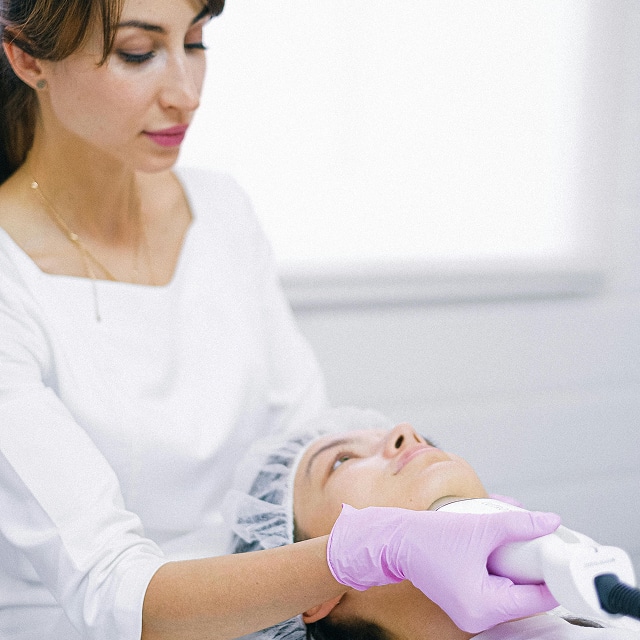

Laser treatment on patient

The Complete Guide to HALO TriBrid Laser Resurfacing

HALO TriBrid: A Brief Overview

Skin rarely ages in just one way. Changes in tone, texture, fine lines, and sun damage tend to develop together, which is why a single-layer approach often falls short. HALO TriBrid laser resurfacing was designed to address multiple concerns at once by working both on the surface and beneath it. 

For patients looking for meaningful skin improvement without the downtime of more aggressive procedures, HALO has become one of the most sought-after treatments. Understanding how HALO TriBrid laser resurfacing works can help you determine if it is the right approach for your skin. 

What Is HALO TriBrid Laser Resurfacing?

HALO TriBrid laser resurfacing is a hybrid fractional laser treatment that combines ablative and non-ablative wavelengths in a single session. This dual approach allows the treatment to target both the outer layer of the skin and deeper tissue at the same time. 

The ablative component removes damaged skin cells from the surface, improving texture and tone. The non-ablative component penetrates deeper layers to stimulate collagen production and support long-term skin renewal. 

By addressing multiple layers in one treatment, HALO delivers comprehensive results that evolve over time. 

What Skin Concerns Does HALO Treat?

HALO is known for its versatility. It can be customized to address a wide range of common skin concerns, making it suitable for patients at different stages of skin aging. 

Common concerns treated with HALO include: 

  • Fine lines and early wrinkles  
  • Sun damage and pigmentation  
  • Uneven skin tone  
  • Rough or irregular texture  
  • Enlarged pores  

Because the treatment can be adjusted in intensity, it can be tailored to your specific goals, whether you are looking for subtle refinement or more noticeable correction. 

How HALO Improves Skin Quality

One of the key advantages of HALO TriBrid laser resurfacing is its ability to improve both immediate and long-term skin quality. 

In the days following treatment, the skin begins to shed damaged cells, revealing a smoother, even surface. This is often when patients first notice a brighter, refreshed appearance. 

Over the following weeks and months, collagen production increases. This deeper regeneration process helps improve firmness, elasticity, and overall skin resilience. 

The combination of surface renewal and collagen stimulation is what sets HALO apart from many other laser treatments. 

What to Expect During Treatment

A HALO treatment is designed to be efficient and controlled. Before the procedure, a topical numbing cream is applied to ensure comfort. 

During the session, the laser is passed over the skin in a precise pattern. The device is calibrated to deliver both ablative and non-ablative energy simultaneously, allowing for consistent coverage and predictable results. 

Most treatments take between 30 and 60 minutes, depending on the area being treated. Patients typically describe the sensation as warm or prickling, but manageable with proper preparation. 

Recovery and Downtime

One of the reasons HALO TriBrid laser resurfacing is so popular is its balance between results and downtime. 

After treatment, the skin may appear red and feel warm, similar to a sunburn. Within a few days, a light bronzing effect often develops as the skin begins its renewal process. 

This is followed by a period of gentle shedding, sometimes referred to as “mending,” where damaged skin is replaced with new, healthier cells. 

Most patients can return to normal activities within a few days, with continued improvement in the weeks that follow. 

How Many HALO Treatments Are Needed?

Many patients achieve noticeable results after a single HALO treatment. However, the number of sessions needed depends on your skin condition and desired outcome. 

For more advanced concerns, a series of treatments may be recommended to build results gradually. Because HALO is customizable, treatments can be spaced and adjusted over time to maintain skin quality. 

A personalized plan ensures that your results align with both your expectations and your lifestyle. 

Maintaining Results After HALO

The results of HALO TriBrid laser resurfacing can be long-lasting when supported with proper skincare and sun protection. Daily use of broad-spectrum sunscreen is essential to protect newly treated skin and prevent future damage. 

Patients often incorporate maintenance treatments or complementary procedures to extend their results. A long-term approach allows you to preserve and build on the improvements achieved with HALO. 

Consistency is what transforms a single treatment into lasting skin health. 

The Importance of Provider Expertise

HALO is an advanced laser treatment that requires proper training and clinical experience. The effectiveness of the treatment depends not only on the technology, but also on how it is applied. 

An experienced provider will assess your skin type, concerns, and tolerance for downtime before determining the appropriate settings. This level of precision ensures that treatment is both safe and effective. 

Choosing a qualified provider is essential for achieving balanced, natural-looking results while minimizing risks. 

Final Thoughts on HALO TriBrid Laser Resurfacing

HALO TriBrid laser resurfacing offers a comprehensive approach to skin rejuvenation by addressing both surface damage and deeper structural changes. 

By combining ablative and non-ablative technology, it delivers results that are both visible and progressive. The outcome is smoother texture, more even tone, and stronger, healthier skin over time. 

For patients seeking a balanced treatment that provides noticeable improvement without extended downtime, HALO represents a refined and effective option. 

A personalized consultation is the best way to determine how HALO can be tailored to your skin and your goals.