
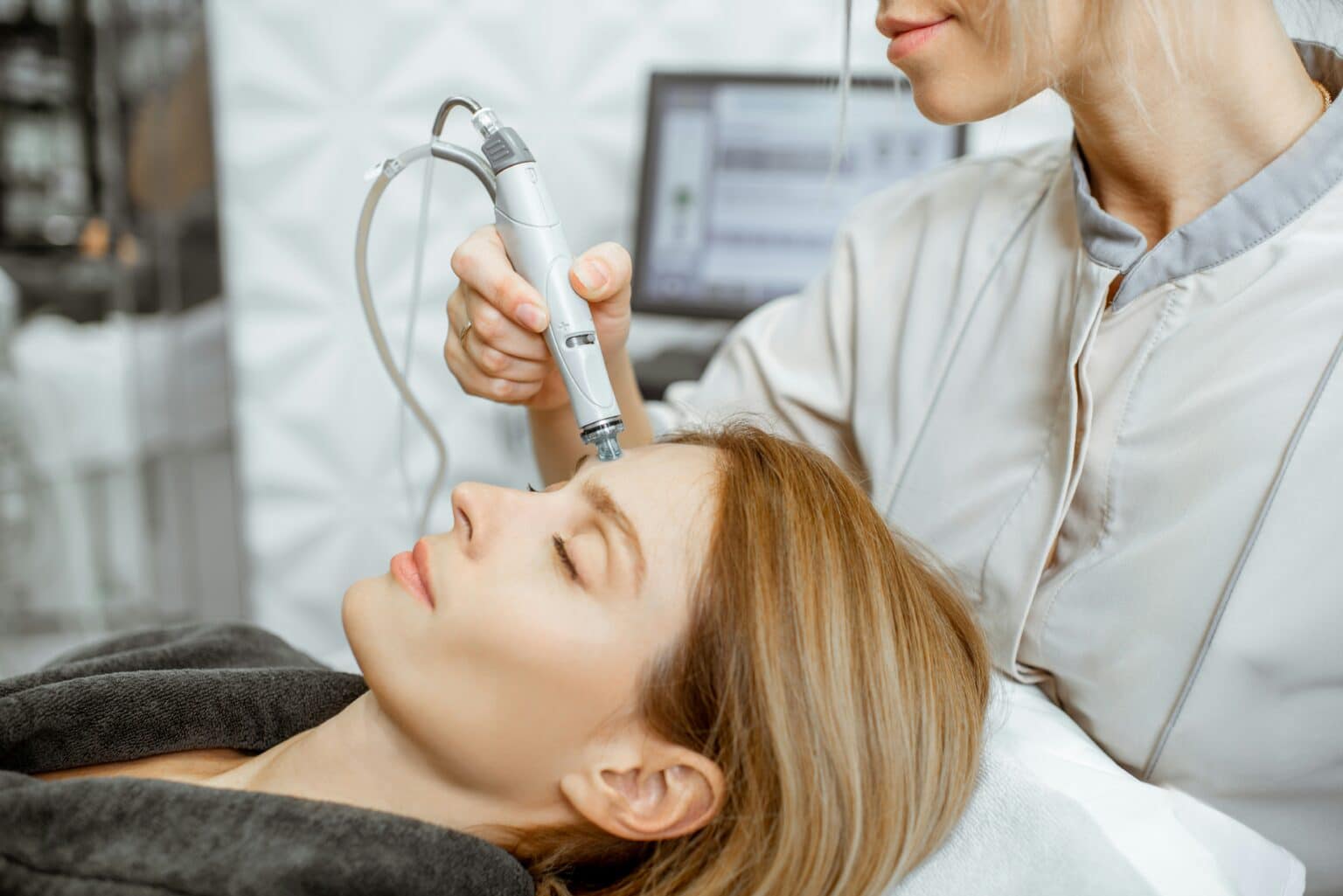
Morpheus8 vs. Ultherapy: Which is Better for Skin Laxity?

Kayla Lemons
17 June, 2026
Overview
Key Takeaways
- Morpheus8 pairs microneedling with radiofrequency for texture and mild to moderate laxity
- Ultherapy lifts deeper structural layers with focused ultrasound and no surface downtime
- Many patients benefit from combining both in a staged treatment plan
Choosing the right treatment for skin tightening can feel complex, especially when comparing advanced technologies like Morpheus8 and Ultherapy. Both are designed to improve firmness and stimulate collagen, but they work in fundamentally different ways.
For patients exploring non-surgical options, understanding Morpheus8 vs Ultherapy is essential to selecting the most appropriate approach. While both treatments aim to restore a firmer appearance, results depend on your skin condition, goals, and the depth of tissue changes.
What Causes Skin Laxity?
Skin laxity develops as collagen and elastin production decline over time. This can be influenced by ageing, genetics, sun exposure, and weight fluctuations. In cases of significant weight loss, more targeted treatment planning may be required.
The key to choosing the best treatment lies in identifying whether the concern is primarily related to surface quality, deeper structural support, or both.
What Is Morpheus8?
Morpheus8 is a radiofrequency microneedling treatment that targets both superficial and deeper layers of the skin. By delivering controlled heat through fine needles, it stimulates collagen while also improving skin texture.
This makes it particularly effective for patients who want to address early signs of ageing while improving overall skin quality. In clinical settings, it is used to refine tone, reduce fine lines, and enhance firmness without altering facial structure.
Morpheus8 is a radiofrequency microneedling treatment that targets both superficial and deeper layers of the skin. By delivering controlled heat through fine needles, it stimulates collagen while improving skin texture, working across multiple layers to enhance both appearance and overall skin function.
What Is Ultherapy?
Ultherapy uses focused ultrasound energy to reach deeper layers of tissue beneath the skin. It stimulates collagen production at a structural level, similar to the layers targeted in surgical lifting procedures.
Unlike Morpheus8, it does not affect the surface of the skin. Instead, it focuses on lifting and tightening deeper tissue, particularly in areas such as the jawline, neck, and brow.
Results develop gradually as collagen rebuilds over time.
Morpheus8 vs Ultherapy: What Are the Key Differences?
Morpheus8 combines microneedling with radiofrequency to remodel skin at adjustable depths, while Ultherapy uses focused ultrasound to lift the deeper support layers without breaking the surface. The right choice depends on whether texture, laxity, or both are your main concern.
When comparing Morpheus8 vs Ultherapy, the most important distinction is how each treatment targets different layers of ageing.
- Morpheus8 improves both skin texture and mild to moderate laxity by combining microneedling with radiofrequency energy
- Ultherapy works deeper, focusing on structural lifting without affecting surface texture
- Morpheus8 is often better for early ageing and skin quality concerns
- Ultherapy is more suited to deeper sagging and loss of support
- Both rely on collagen stimulation, but at different depths and timelines
This is why one treatment is not inherently better than the other.
The difference lies in what your skin requires.
Which Is Better for Skin Laxity?
There is no universal answer when comparing Morpheus8 vs Ultherapy. The most effective option depends on the severity and depth of laxity.
For mild to moderate concerns, Morpheus8 often provides more comprehensive improvement by enhancing both skin quality and firmness. For deeper structural laxity, Ultherapy may be more effective due to its ability to target foundational layers.
In clinical practice, treatment selection is based on assessment, not assumption.
Can Morpheus8 and Ultherapy Be Combined?
In some cases, combining treatments may offer a more balanced outcome. Morpheus8 can improve surface texture and overall skin quality, while Ultherapy provides deeper lifting and structural support.
When used strategically, these treatments can complement each other rather than compete. However, combination approaches should always be guided by experienced providers.
What to Expect from Each Treatment
Morpheus8 typically involves minimal downtime, with temporary redness or mild swelling following treatment. Results develop gradually as collagen production increases.
Ultherapy delivers energy deeper beneath the skin, with results appearing over a longer period as collagen rebuilds. While the experience differs, both treatments rely on natural regenerative processes.
How to Choose the Right Treatment
Choosing between Morpheus8 vs Ultherapy requires a personalised approach. Factors such as skin thickness, degree of laxity, and structural changes all influence which treatment is most appropriate.
Experienced providers assess these elements carefully to create a treatment plan tailored to the individual.
Because effective treatment is not about trends, it’s about precision.
Why Provider Expertise Matters
The success of any advanced skin tightening treatment depends heavily on the provider. Technique, energy delivery, and treatment planning all influence outcomes.
At World’s Leading Clinics, patients can explore certified providers experienced in non-surgical skin tightening and advanced aesthetic treatments. These specialists combine clinical expertise with aesthetic judgement to deliver results that prioritise safety and natural appearance.
Final Thoughts
When evaluating Morpheus* vs Ultherapy, the focus should not be on which treatment is better overall, but on which is most aligned with your individual needs and goals.
Morpheus8 is particularly effective for improving skin quality and early laxity, while Ultherapy is better suited for deeper structural lifting.
Patients considering their options can explore certified providers through World’s Leading Clinics to find the most appropriate approach.
With the right guidance, both treatments can deliver refined, natural-looking results.
FAQs
What is better for skin tightening, Morpheus8 or Ultherapy?
The better option depends on your skin concerns. Morpheus8 is often used for improving texture and mild laxity, while Ultherapy targets deeper layers for lifting and tightening.
Does Morpheus8 tighten skin as well as Ultherapy?
Morpheus8 can tighten skin effectively in early to moderate cases, while Ultherapy may provide stronger lifting for deeper structural concerns.
How long do results last?
Both treatments stimulate collagen, so results develop gradually and can last several months to over a year, depending on the individual.
Is Ultherapy better for the neck?
Ultherapy is often chosen for the neck because it targets deeper tissue layers responsible for lifting.
Subscribe to get updates
Stay informed about our latest offerings and news.
By subscribing you agree to our Privacy Policy.