
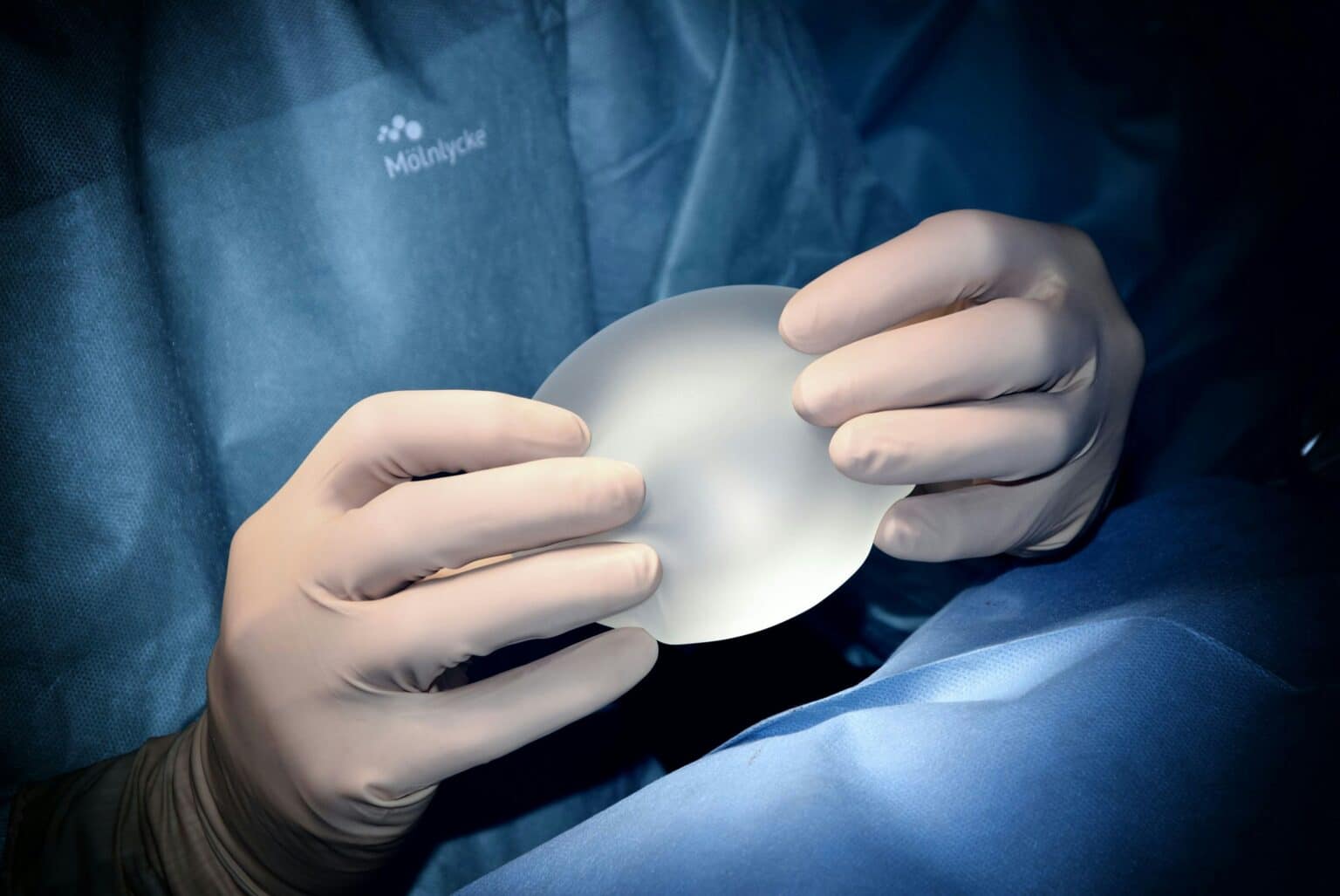
Saline v. Silicone Implants: What Patients Should Know

Dr. Ed Pittman
14 February, 2026
Saline v. Silicone Implants: What Patients Should Know
Cosmetic Surgery · Breast Surgery · Breast Augmentation
Medically reviewed by Board-Certified Plastic Surgeons · 6 min read
Key Takeaways
- Both saline and silicone are FDA-approved and considered safe when placed by a qualified surgeon and monitored appropriately.
- Silicone tends to feel softer and more natural; saline can feel firmer and is more prone to rippling in thin tissue.
- Saline rupture is visible. Silicone rupture is silent, so periodic imaging is recommended.
- Anatomy drives the right choice more than preference. Tissue coverage, skin thickness, and frame matter most.
- Neither implant lasts forever. Most patients should plan for eventual replacement.
Choosing between saline and silicone implants is one of the most important decisions patients make when considering breast augmentation or implant replacement. Both options are FDA-approved, thoroughly studied, and used in millions of procedures every year. They differ in composition, feel, appearance, and how they behave in the body over time.
The right question is rarely “which implant is better.” It is “which implant is better for your anatomy and your goals.” The five considerations below outline what patients should know before deciding.
What saline implants are
Saline implants have a silicone outer shell that is filled with sterile saltwater after placement. The fill happens during surgery, which allows volume adjustment for symmetry. If the shell ruptures, the saline is safely absorbed and the implant deflates visibly, making rupture easy to detect without imaging. Saline implants are FDA-approved for breast augmentation in patients age 18 and older.
What silicone implants are
Silicone implants are pre-filled with a cohesive silicone gel engineered to closely mimic the feel of natural breast tissue. Most patients describe them as softer and more natural in movement and appearance, particularly in patients with thinner tissue coverage. Rupture is often silent, so periodic MRI or ultrasound is recommended to confirm implant integrity. Silicone gel implants are FDA-approved for augmentation in patients age 22 and older.
How they compare on look, feel, and monitoring
Silicone implants tend to feel softer and ripple less, especially in patients with thinner skin or limited natural breast tissue. Saline implants can feel firmer and may show rippling along the sides of the breast, though adequate tissue coverage minimizes this. Cost is another practical difference, with silicone typically running higher due to material and manufacturing.
| Feature | Saline | Silicone |
|---|---|---|
| Fill material | Sterile saltwater (saline) | Cohesive silicone gel |
| Feel | Firmer; less natural in thin tissue | Softer; closer to natural breast tissue |
| Rippling risk | Higher, especially with thin tissue | Lower |
| Rupture detection | Visible deflation | Often silent; imaging recommended |
| Incision size | Slightly smaller; filled after placement | Slightly larger; pre-filled |
| FDA minimum age | 18 for augmentation | 22 for augmentation |
| Typical cost | Less expensive | $500 to $1,500 more per pair |
“The right implant is determined by anatomy, not preference. Skin thickness, breast tissue, and frame decide which option will look natural and which will look like an implant.”
Choosing what is right for you
Personal anatomy plays a much bigger role than most patients realize. Placement above or below the muscle, implant profile, and surgical technique often matter more than the fill choice. Use the framework below as a starting point before consultation.
| Patient Profile | Often a Good Fit | Why |
|---|---|---|
| Thin tissue coverage, lean frame | Silicone | More natural look; less rippling |
| Adequate breast tissue, prefers visible monitoring | Saline | Rupture is immediately obvious |
| Visible breast asymmetry | Saline | Volume can be adjusted during surgery |
| Prioritizing softest, most natural feel | Silicone | Cohesive gel best mimics tissue |
| Age 18 to 21 | Saline | Silicone not FDA-approved for augmentation under 22 |
| Cost-sensitive | Saline | Generally less expensive per pair |
At consultation, ask to feel both implant types, review sizers, and discuss how your specific anatomy responds to each option. A thoughtful surgeon will recommend the implant that fits you, not the implant they default to.
Find a verified breast surgeon
Every clinic in the World’s Leading Clinics network is independently verified for board certification, accredited facility standards, complication training, and authenticated patient outcomes.
Frequently asked questions
Are silicone implants safer than saline?
Both saline and silicone implants are FDA-approved and considered safe when placed by a qualified surgeon and monitored appropriately. The key difference is how a rupture is detected. Saline rupture is immediately visible. Silicone rupture is often silent and requires periodic imaging.
How long do breast implants last?
Implants are not designed to be lifetime devices. Most patients should expect replacement at some point, often within 10 to 20 years, due to aging of the shell, changes in the body, or personal preference.
Which feels more natural, saline or silicone?
Silicone gel mimics natural breast tissue more closely than saline. The difference is most noticeable in patients with thinner skin or less existing breast tissue. With adequate tissue coverage, the difference narrows.
How will I know if my implant ruptures?
A saline rupture causes visible deflation of the breast within hours to days. A silicone rupture is usually silent, which is why the FDA recommends periodic MRI or ultrasound screening to monitor silicone implant integrity.
Can I switch from saline to silicone later?
Yes. Many patients exchange saline for silicone, or vice versa, during a revision procedure. The same incision is typically used, and the implant pocket can usually be reused or refined.
How much more do silicone implants cost?
Silicone implants typically cost $500 to $1,500 more per pair than saline due to material and manufacturing. Total surgical cost also depends on facility, anesthesia, surgeon fee, and any combined procedures.
At what age can I get silicone implants?
The FDA approves silicone gel implants for breast augmentation in patients age 22 and older. Saline implants are approved for augmentation at age 18 and older. Reconstruction has no age minimum.
How do I find a qualified breast surgeon?
Choose a board-certified plastic surgeon with documented breast surgery experience and authenticated outcomes. World’s Leading Clinics independently verifies every certified provider and clinic in our directory.
References
- U.S. Food and Drug Administration. Breast Implants: Risks and Complications. fda.gov
- U.S. Food and Drug Administration. Recommendations for Patients Considering Breast Implants. fda.gov
- American Society of Plastic Surgeons. Breast Augmentation: Saline vs. Silicone Implants. plasticsurgery.org
- American Society for Aesthetic Plastic Surgery. Aesthetic Plastic Surgery National Databank Statistics. theaestheticsociety.org
- Spear SL, Murphy DK. Natrelle Round Silicone Breast Implants: Core Study Results at 10 Years. Plast Reconstr Surg. 2014.
- Hammond DC, Migliori MM, Caplin DA, et al. Mentor Contour Profile Gel Implants: Clinical Outcomes at 10 Years. Plast Reconstr Surg. 2012.

|
World’s Leading Clinics Medically Reviewed · Board-Certified Plastic Surgeons This article is independently produced by the World’s Leading Clinics editorial team and reviewed by board-certified plastic surgeons and dermatologists before publication. Every clinic and provider listed in our directory is independently verified for board certification, accredited facility standards, complication training, and authenticated patient outcomes. We accept no paid placements. Learn how we verify. |
Subscribe to get updates
Stay informed about our latest offerings and news.
By subscribing you agree to our Privacy Policy.