Back to treatments

Botox

Botox is a non-surgical injectable that temporarily relaxes targeted muscles, smoothing wrinkles and fine lines for a refreshed, youthful appearance with minimal downtime.

Find a Provider

Overview

What is Botox?

Botox is an FDA-approved injectable treatment derived from botulinum toxin type A. It is a neuromodulator, not a filler, meaning it works by temporarily relaxing specific facial muscles rather than adding volume. By limiting muscle movement, Botox helps smooth dynamic wrinkles caused by repetitive expressions such as frowning, squinting, or raising the eyebrows. Common treatment areas include crow’s feet, forehead lines, and frown lines between the brows.

Beyond cosmetic use, Botox is also approved for medical purposes such as treating chronic migraines, excessive sweating (hyperhidrosis), and certain muscle disorders. The procedure is quick, minimally invasive, and requires no downtime. Results are natural-looking and generally last three to four months before retreatment is needed to maintain improvements.


Meredith Keller

Nurse Practitioner | BSN,MSN, FNP-C

TL;DR Summary

Botox is a non-surgical injectable treatment used to soften expression lines by relaxing targeted facial muscles. Results are temporary, typically lasting three to four months, and outcomes depend heavily on provider technique and experience. Botox is most effective when administered by trained medical professionals who understand facial anatomy and dosage precision.

Cost of Botox

Botox pricing depends on provider expertise, treatment area, and number of units required. Most practices charge per unit or per treatment area.

95%+ patient satisfaction

Success rates

$400-$600 per area

Average cost (USD)

4.4 million+ in the U.S.

Procedures performed annually

<2%

Complication rate

Average cost (USD)

$400-$600 per area

Cost Range (USD)

$10-$25 per unit

Because Botox is cosmetic, it isn’t covered by insurance unless used for medical conditions. Many clinics offer loyalty programs or bundles to reduce costs.

Botox Before and After Photos

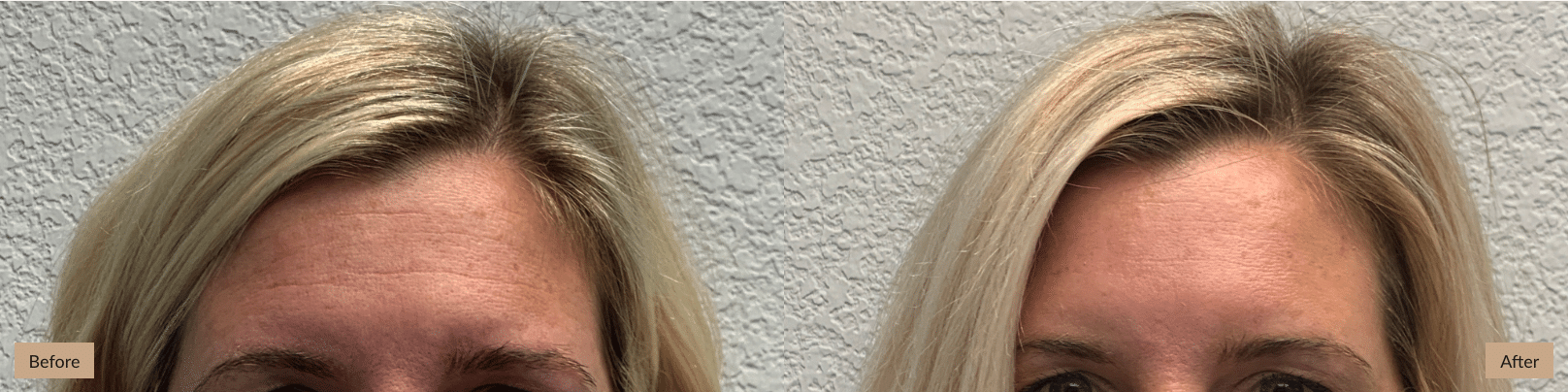
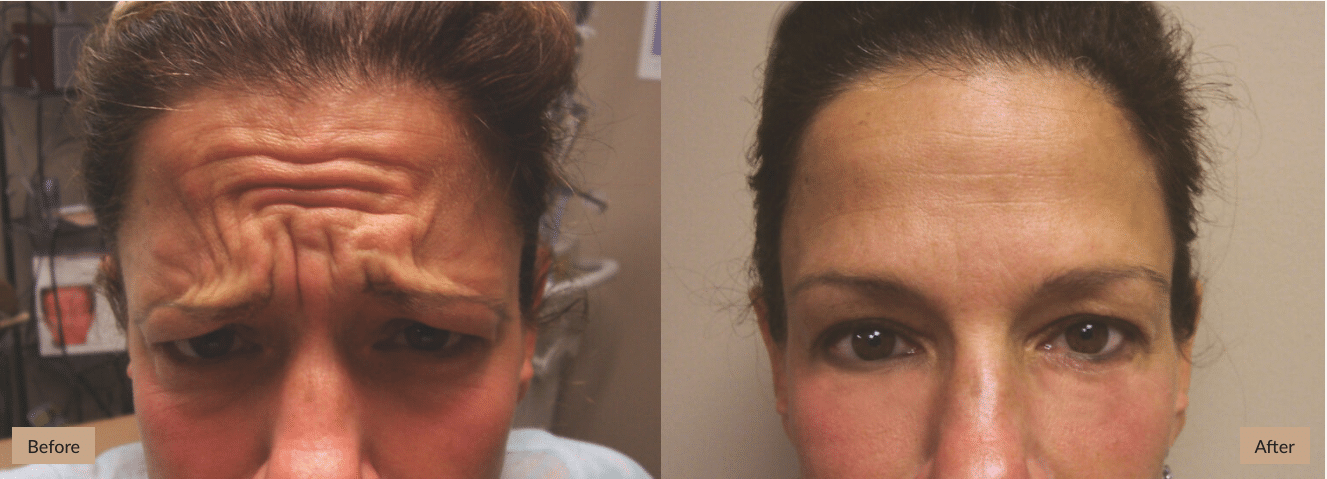
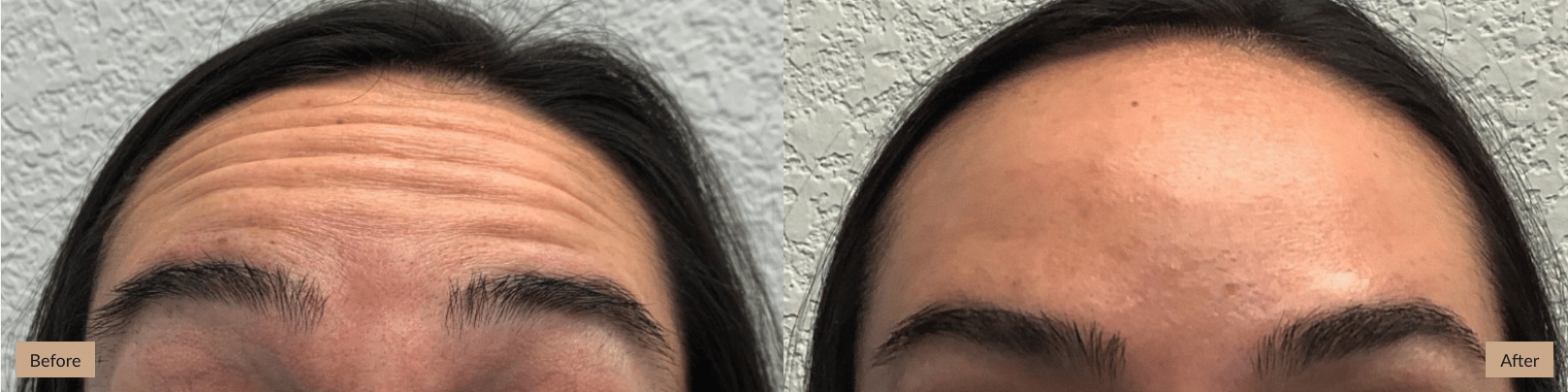
Before-and-after photos highlight smoother foreheads, softer crow’s feet, and relaxed frown lines following Botox treatment. Patients typically retain natural expressions, avoiding a “frozen” look. Results vary by age, skin condition, and units used but usually become visible within days and last several months before a touch-up is needed.

Pros and Cons of Getting Botox

Pros

  • Quick, non-surgical procedure
  • Minimal downtime
  • Natural-looking wrinkle reduction
  • Prevents deepening of lines
  • Treats both cosmetic and medical issues
  • High safety record

Cons

  • Temporary results, requires maintenance
  • Minor bruising or swelling possible
  • Results vary by provider skill
  • Cannot fix sagging skin
  • Rare risk of muscle drooping
  • Not effective for static wrinkles alone

How it Works

Botox is an injectable treatment that smooths wrinkles by temporarily blocking the nerve signals that cause muscle contractions. By reducing repetitive facial movements, it softens existing lines and prevents new ones from forming; delivering a refreshed, natural look without surgery or significant downtime.

What it Treats

Botox treats dynamic wrinkles such as forehead lines, frown lines, and crow’s feet by temporarily relaxing facial muscles, smoothing the skin, and preventing deeper folds.

Procedure Time

Most Botox treatments take 10-20 minutes in-office. Injections are quick, making it a convenient “lunchtime procedure” with no surgical incisions required.

Eligibility

Best for adults with mild-to-moderate dynamic wrinkles. Not recommended for pregnant or breastfeeding women or individuals with certain neuromuscular conditions.

Recovery & Downtime

No downtime is required. Patients may experience mild swelling or redness at injection sites, which typically resolve within hours to a couple of days.

What to Expect Before, During, and After Botox

Before Botox

Your provider will review your medical history, evaluate treatment areas, and discuss goals. Pre-treatment advice often includes avoiding alcohol, aspirin, and blood thinners.

During Botox

Injections are performed with a fine needle. Most patients describe the feeling as a small pinch. Sessions are quick, often completed in under 20 minutes.

After Botox

Patients can resume normal activities immediately but should avoid lying down, rubbing treated areas, or strenuous exercise for several hours post-treatment. Results appear within days.

Potential Risks and Side Effects from Botox

Bruising and swelling at the injection site

Mild bruising or swelling at injection sites is common but temporary. These effects typically resolve within days and can be minimized with ice and aftercare.

Muscle weakness or drooping (e.g., eyelid ptosis)

Rarely, Botox may cause temporary drooping of the eyelids or eyebrows (ptosis) if injected improperly. Choosing an experienced injector reduces this risk significantly.

Headache or flu-like symptoms

Some patients experience mild headaches or flu-like symptoms after injections. These usually resolve within a few days and can be managed with over-the-counter medication.

Frequently Asked Questions

Botox results generally last three to four months. Consistent treatments can extend effectiveness by training facial muscles to remain more relaxed over time.

Results typically appear within three to five days, with full effects visible within two weeks. Improvements last several months before requiring repeat treatment.

Botox is FDA-approved and has a strong safety record when administered by trained providers. Side effects are usually mild and temporary when properly injected.

Most patients report only mild discomfort, often described as a quick pinch. Numbing cream or ice can be applied to enhance comfort during treatment.

Unlike fillers, Botox cannot be dissolved. However, its effects are temporary and wear off naturally in a few months if results are unsatisfactory.

Sources & Studies

The following references provide clinical evidence and safety information on Botox (botulinum toxin type A):

Overview of Botox uses, treatment areas, and patient expectations.

Clinical review of Botox efficacy for dynamic wrinkles.

Study of repeated Botox use for cosmetic and medical applications.

All sources reviewed for clinical accuracy and relevance.

Locate a Certified Clinic for Botox

Discover trusted, world-class clinics verified for safety, expertise, and patient experience.