Back to treatments

Breast Reduction

A personalized surgical solution that removes excess breast tissue for a lighter, more proportionate chest; relieving pain, enhancing comfort, and improving confidence.

Find a Provider

Overview

What is Breast Reduction?

Breast reduction surgery, or reduction mammoplasty, removes excess breast tissue, fat, and skin to reduce size and reshape the breasts. It’s often chosen for relief from physical discomfort.

By creating a more proportionate chest, a breast reduction can alleviate neck, shoulder, and back pain, ease clothing fit, and boost overall quality of life. The procedure is tailored to your body and goals.

Portrait of a smiling woman with long blonde hair wearing a blue blazer, standing indoors in front of softly blurred shelving.

Dr. Nichole Joslyn

MD

Cost of Breast Reduction

Breast reduction costs depend on provider, facility, and whether insurance covers part of the procedure. Costs typically include anesthesia and post-op care.

95-98% patient satisfaction

Success rates

$6,000-$8,500

Average cost (USD)

50,000+ in the U.S.

Procedures performed annually

5-10% minor complications

Complication rate

Average cost (USD)

$6,000-$8,500

Cost Range (USD)

$5,000-$12,000

In some cases, insurance may cover the procedure if medically necessary. Pre-approval and documentation are often required for reimbursement.

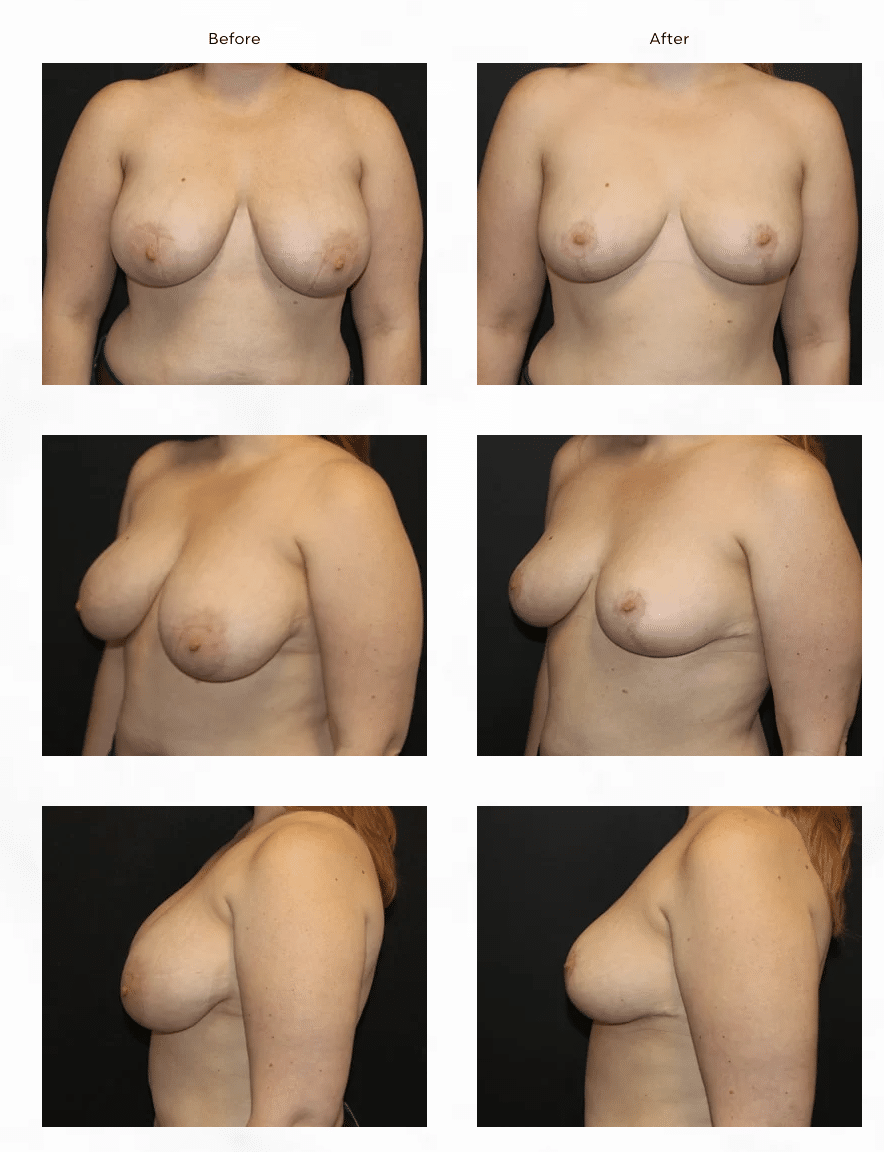
Breast Reduction Before and After Photos

These images reveal reductions in breast volume, improved symmetry, and in some cases, lifting of the breast profile. Before-and-after photos are helpful in setting expectations and are often shared during in-person consultations.

Pros and Cons of Getting a Breast Implant Removal

Pros

  • Alleviates back, neck, and shoulder pain
  • Improves posture and physical comfort
  • Enhances body proportions and symmetry
  • Expands clothing options
  • Boosts physical activity and mobility
  • High satisfaction and emotional relief

Cons

  • Permanent scarring (usually fades over time)
  • Possible changes in nipple sensation
  • Risk of complications or delayed healing
  • May impact ability to breastfeed
  • Downtime required for healing and recovery
  • Results can change with future weight shifts or pregnancy

How it Works

Breast reduction surgery removes excess breast tissue, fat, and skin to create a lighter, more balanced shape. By alleviating discomfort such as back, neck, and shoulder pain, it improves both function and aesthetics; helping patients feel more comfortable, confident, and aligned in their daily lives.

What it Treats

Reduces physical discomfort and reshapes overly large or heavy breasts for functional and aesthetic improvement.

Procedure Time

Most surgeries take 2-4 hours and are done under general anesthesia in a surgical facility.

Eligibility

Good candidates have fully developed breasts, are in good health, and experience discomfort due to breast size.

Recovery & Downtime

Most patients return to work within 1-2 weeks, with full recovery and physical activity typically resumed in 4-6 weeks. However, strenuous exercise, heavy lifting, and upper body workouts are not recommended until your surgeon clears you, usually around the 4-6 week mark, to ensure proper healing and implant positioning.

What to Expect Before, During, and After a Breast Reduction

Before Breast Reduction

Your provider will assess breast size, health history, and goals. Pre-op steps may include mammograms and medication adjustments.

During Breast Reduction

During surgery, excess breast tissue and skin are removed, the breasts are reshaped, and the nipples repositioned to suit the new contour. Incision patterns may vary depending on your anatomy and goals; common options include the “lollipop” (vertical) or “anchor” (inverted-T) technique, both designed to create a natural, lifted result.

After Breast Reduction

Expect swelling, soreness, and bruising. A surgical bar or compression garment is typically worn to support healing, reduce discomfort, and protect incision sites. Following your surgeon’s post-op care instructions is key. Most patients resume work within 1-2 weeks, with activity gradually increasing over time.

Potential Risks and Side Effects from a Breast Reduction

Loss of nipple or breast sensation

Temporary numbness or tingling is common. In rare cases, changes in sensation may persist permanently.

Difficulty breastfeeding

Some patients retain the ability to breastfeed, while others may experience reduced milk production.

Scarring or uneven breast shape

Scarring is expected but usually fades. Slight asymmetries can occur but are minimized with experienced surgeons.

Frequently Asked Questions

Individuals with physical symptoms from large breasts, good overall health, and realistic expectations about scarring and outcomes are typically strong candidates.

Recovery takes 1-2 weeks for daily activity and 4-6 weeks for exercise. Most swelling and soreness subside within the first month.

Yes. Scars are part of the healing process but often fade with time. They’re typically placed discreetly and minimized using refined techniques.

Yes. Most patients experience immediate relief from physical symptoms after surgery and report a better quality of life.

It depends. Many plans cover the procedure if deemed medically necessary. Documentation and pre-authorization are typically required.

Sources & Studies

The information presented on this page is supported by data and insights from the following trusted sources:

Long-term follow-up found 93% of patients satisfied, with significant improvement in physical symptoms and quality of life.

Reported an overall 90% satisfaction rate, with breast reduction shown to be safe and effective across surgical techniques.

All sources are reviewed for accuracy and reliability to ensure the content is medically sound and up to date.

Locate a Certified Clinic for Breast Reduction

Discover trusted, world-class clinics verified for safety, expertise, and patient experience.