Back to treatments

Brow Lift – Endoscopic

A minimally invasive procedure that lifts sagging brows, smooths forehead lines, and restores a refreshed, youthful look with smaller incisions and shorter recovery.

Find a Provider

Overview

What is an Endoscopic Brow Lift?

An endoscopic brow lift is a minimally invasive surgery that elevates sagging eyebrows and smooths forehead creases using tiny incisions hidden within the hairline. A small camera (endoscope) allows the surgeon to reposition tissue and muscle with precision. This technique reduces scarring and downtime compared to traditional brow lifts.

Patients often choose this procedure to correct drooping brows, deep forehead furrows, or a tired appearance. Beyond cosmetic benefits, lifting the brow can open the eye area and restore balance to facial expressions. Results are long-lasting, subtle, and natural when performed by a skilled board-certified surgeon.

Cost of Endoscopic Brow Lift

The cost varies depending on surgeon expertise, facility, anesthesia, and geographic location. Endoscopic techniques can be more affordable than traditional lifts due to shorter operative time.

90-95% patient satisfaction

Success rates

$6,000

Average cost (USD)

25,000+ in the U.S.

Procedures performed annually

2-4%

Complication rate

Average cost (USD)

$6,000

Cost Range (USD)

$4,000-$8,500

Most patients finance this procedure out-of-pocket. While cosmetic brow lifts aren’t covered by insurance, medically necessary cases (e.g., impaired vision from drooping brows) may receive partial coverage.

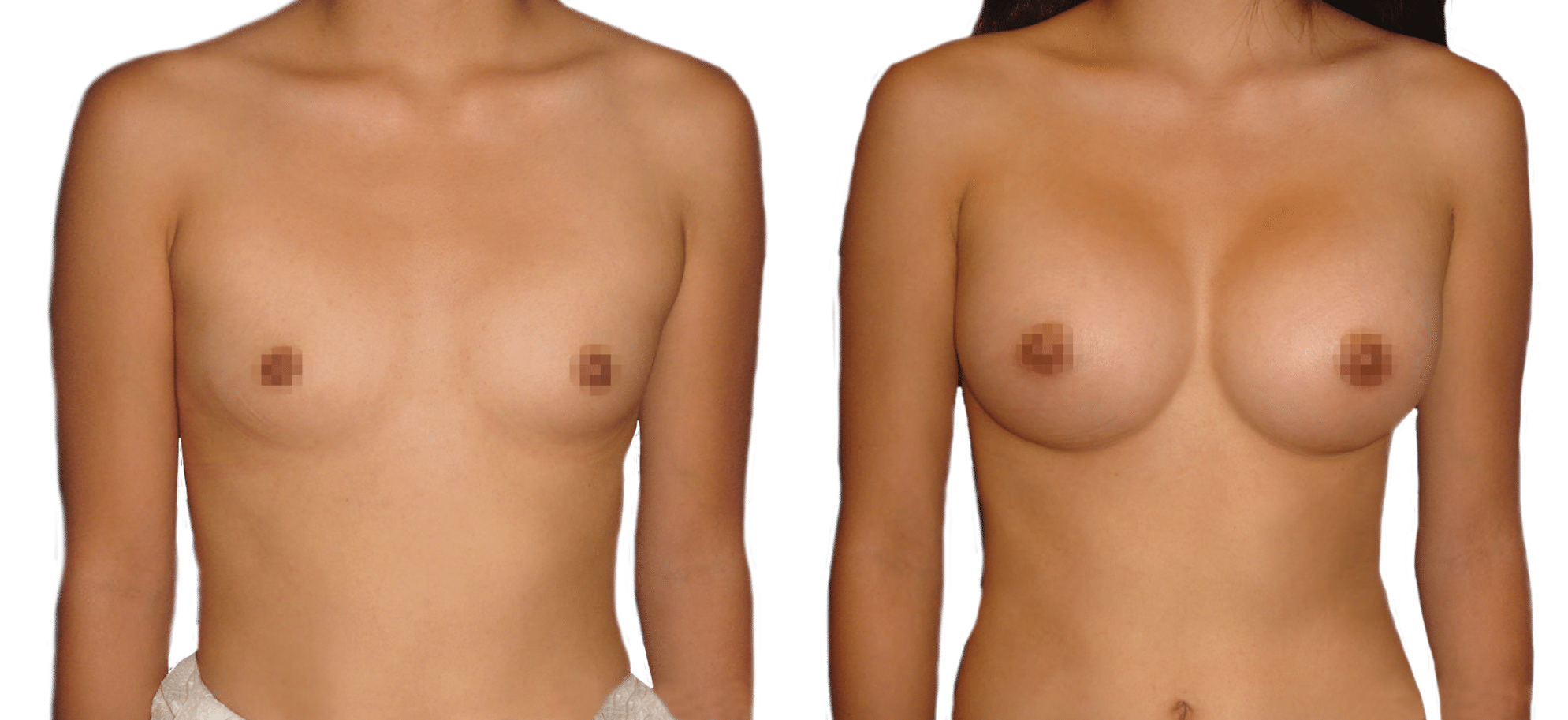
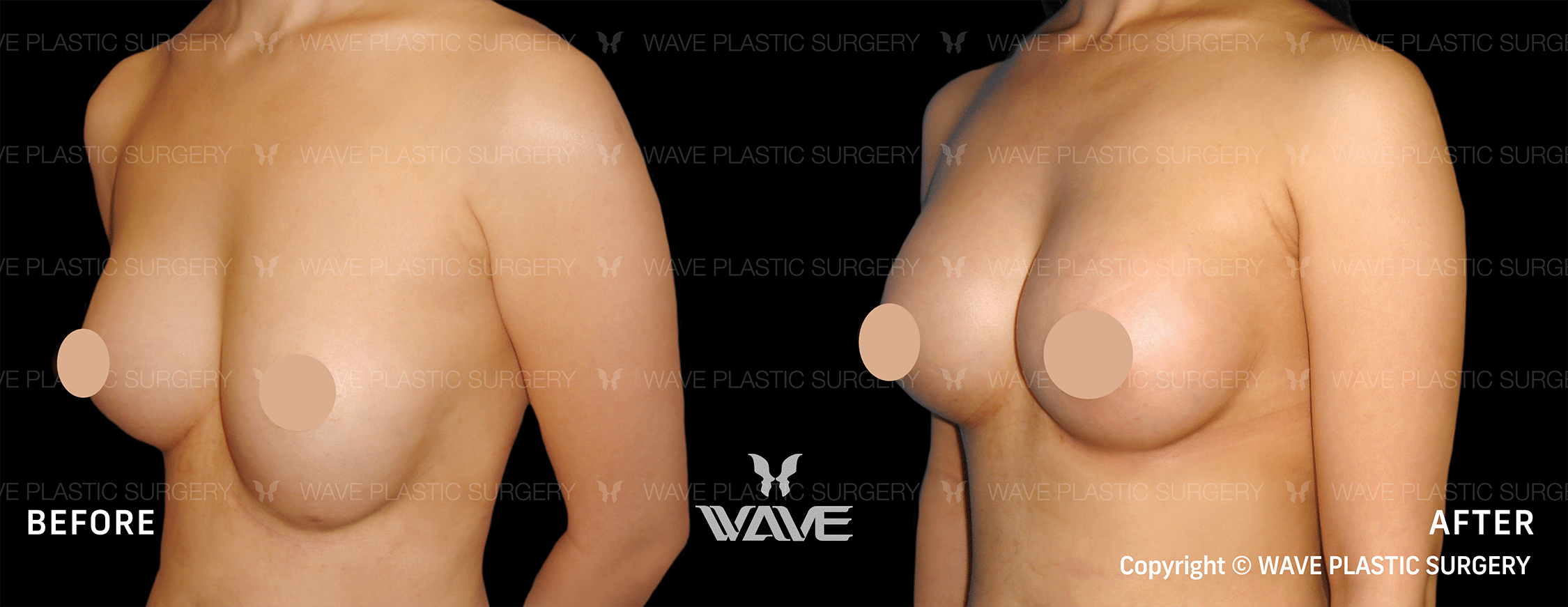
Endoscopic Brow Lift Before and After Photos

Before-and-after photos show smoother foreheads, lifted brows, and refreshed upper eye areas. Because this is a subtle rejuvenation, results aim to maintain natural expression while minimizing signs of surgery. Comparing photos helps patients visualize realistic improvements and understand how the procedure may align with their aesthetic goals.

Pros and Cons of Getting an Endoscopic Brow Lift

Pros

  • Minimally invasive with small incisions
  • Shorter recovery compared to traditional lift
  • Natural-looking, subtle results
  • Hidden scars within the hairline
  • Improves forehead wrinkles and sagging brows
  • Long-lasting rejuvenation

Cons

  • Temporary numbness or tightness
  • Possible asymmetry
  • Hair loss at incision sites
  • Not ideal for severe sagging
  • Requires anesthesia and downtime
  • Results vary by skin quality

How it Works

What it Treats

Corrects drooping eyebrows, forehead lines, and frown creases. Creates a refreshed look while preserving natural expression using minimally invasive endoscopic techniques.

Procedure Time

Typically lasts one to two hours under general or local anesthesia with sedation. Patients usually return home the same day.

Eligibility

It is best for healthy patients with mild-to-moderate brow drooping, good skin elasticity, and realistic expectations. Not ideal for significant forehead sagging or heavy eyelids.

Recovery & Downtime

Most patients resume normal activity in 1-2 weeks. Bruising and swelling fade within 10 days, with full results appearing after several months.

What to Expect Before, During, and After an Endoscopic Brow Lift

Before Endoscopic Brow Lift

Before surgery, your surgeon reviews goals, performs an exam, and may recommend imaging. Pre-op steps include stopping smoking, adjusting medications, and arranging recovery support.

During Endoscopic Brow Lift

Small incisions are made within the hairline. Using an endoscope, the surgeon repositions brow tissue and secures it. The procedure is outpatient and performed under anesthesia.

After Endoscopic Brow Lift

Expect swelling, bruising, and forehead tightness. A head wrap may be applied for support. Most patients return to work within 7-10 days as healing progresses.

Potential Risks and Side Effects from an Endoscopic Brow Lift

Temporary or permanent numbness in the forehead or scalp

Numbness in the forehead or scalp is common initially and usually improves over time. Rarely, sensation changes may persist permanently.

Hair loss at the incision sites

Small patches of hair loss can occur around incision sites. Proper closure techniques and scar care minimize this risk, and regrowth is common.

Asymmetry or uneven brow position

Brows may heal unevenly, though this is uncommon. Choosing an experienced surgeon and following post-op care instructions reduces asymmetry risk.

Frequently Asked Questions

Swelling typically peaks within the first week and gradually improves over two to three weeks. Most visible swelling resolves by the one-month mark, though subtle healing continues.

No. Incisions are hidden within the hairline, making scars virtually invisible. With proper healing, they fade further over time. Poor healing may leave minor marks.

The endoscopic technique uses small incisions and a camera, resulting in less scarring and faster recovery. A traditional lift requires larger incisions for more dramatic changes.

Patients typically experience mild discomfort, tightness, or pressure rather than severe pain. Prescription medication and cold compresses effectively manage symptoms during the recovery period.

Most patients return to non-strenuous work within 7-10 days. Exercise and heavy lifting should be avoided for 3-4 weeks until cleared by the surgeon.

Sources & Studies

The following references provide clinical evidence and safety data on endoscopic brow lift techniques:

Overview indicating patient satisfaction rates above 98%, with rare major complications.

Pooled data showing complication rates such as paresthesia (6.2%), asymmetry (3.6%), alopecia (3.0%), and lagophthalmos (2.7%).

Patient-reported high satisfaction with endoscopic brow lift outcomes.

Review showing common complications including alopecia, asymmetry, and prolonged paresthesia.

Comparative data showing endoscopic brow lift has lower complication rates than some open approaches.

Locate a Certified Clinic for Brow Lift – Endoscopic

Discover trusted, world-class clinics verified for safety, expertise, and patient experience.