Back to treatments

Cheek Filler

Cheek fillers restore youthful volume, contour, and definition to the midface; enhancing natural balance, lifting sagging skin, and refreshing overall appearance with immediate results.

Find a Provider

Overview

What is a Cheek Filler?

Cheek fillers are injectable treatments; mostly made with hyaluronic acid; designed to restore midface volume, contour the cheeks, and subtly lift the lower face. As we age, fat pads shift and collagen declines, leading to flattening and sagging. Cheek fillers replace lost volume; improving facial balance and rejuvenating appearance.

Results are immediate, minimally invasive, and customizable depending on whether the goal is subtle enhancement or more defined cheek structure. Fillers can also reduce shadows under the eyes and soften nasolabial folds by restoring support in the midface. When performed by skilled injectors, results look natural and proportionate.

Noreen Bollinger

Nurse | RN, BSN

Cost of Cheek Filler

The cost of cheek fillers depends on the type of filler, the number of syringes required, and provider expertise. Most patients need 1-3 syringes for noticeable yet natural results.

95%+ patient satisfaction

Success rates

$1,000 per syringe

Average cost (USD)

Over 2 million in the U.S.

Procedures performed annually

Less than 1% with experienced providers

Complication rate

Average cost (USD)

$1,000 per syringe

Cost Range (USD)

$800-$2,500 per treatment

While cheek filler is a financial investment, it is long-lasting compared to other injectables, with results often maintained for 12-24 months depending on filler type.

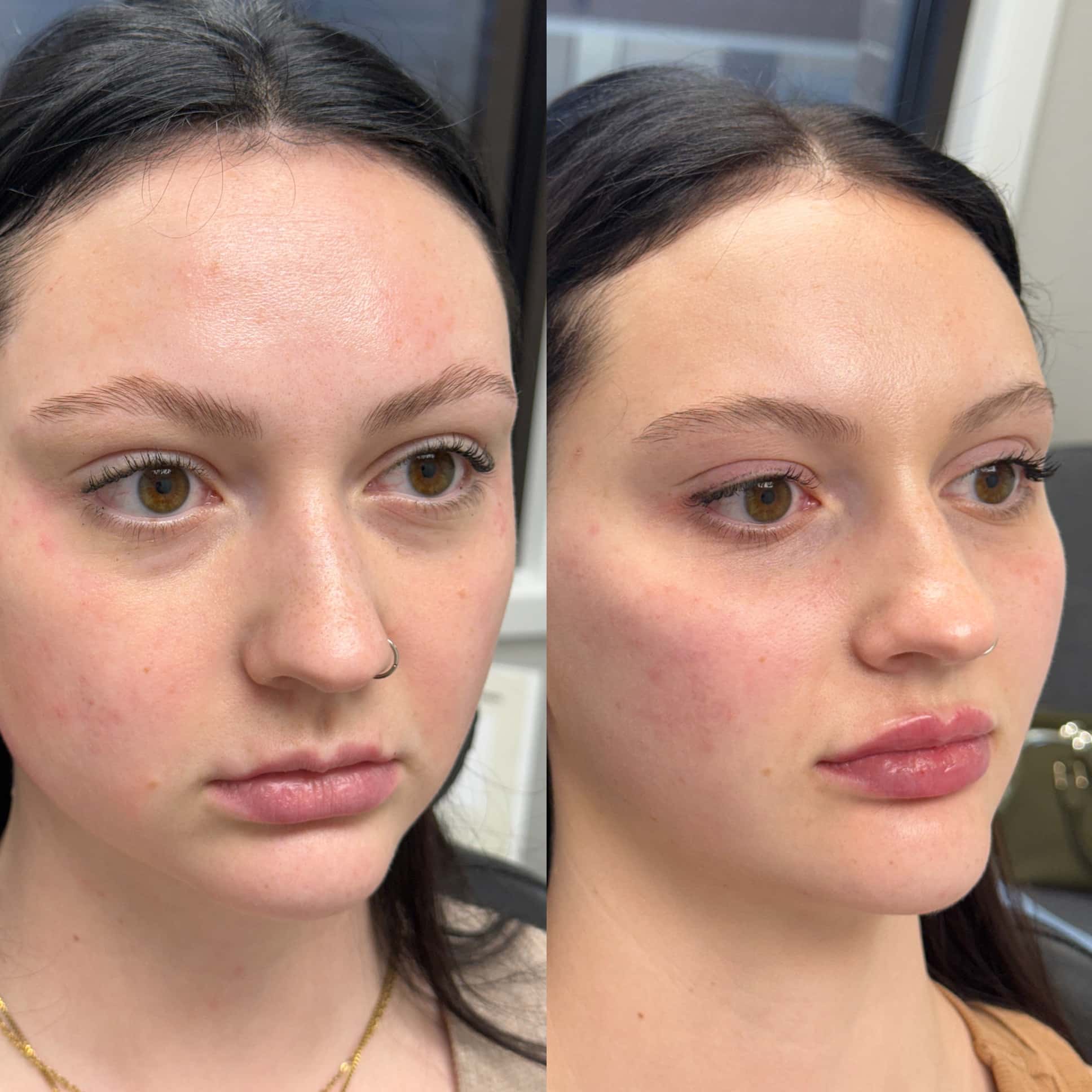
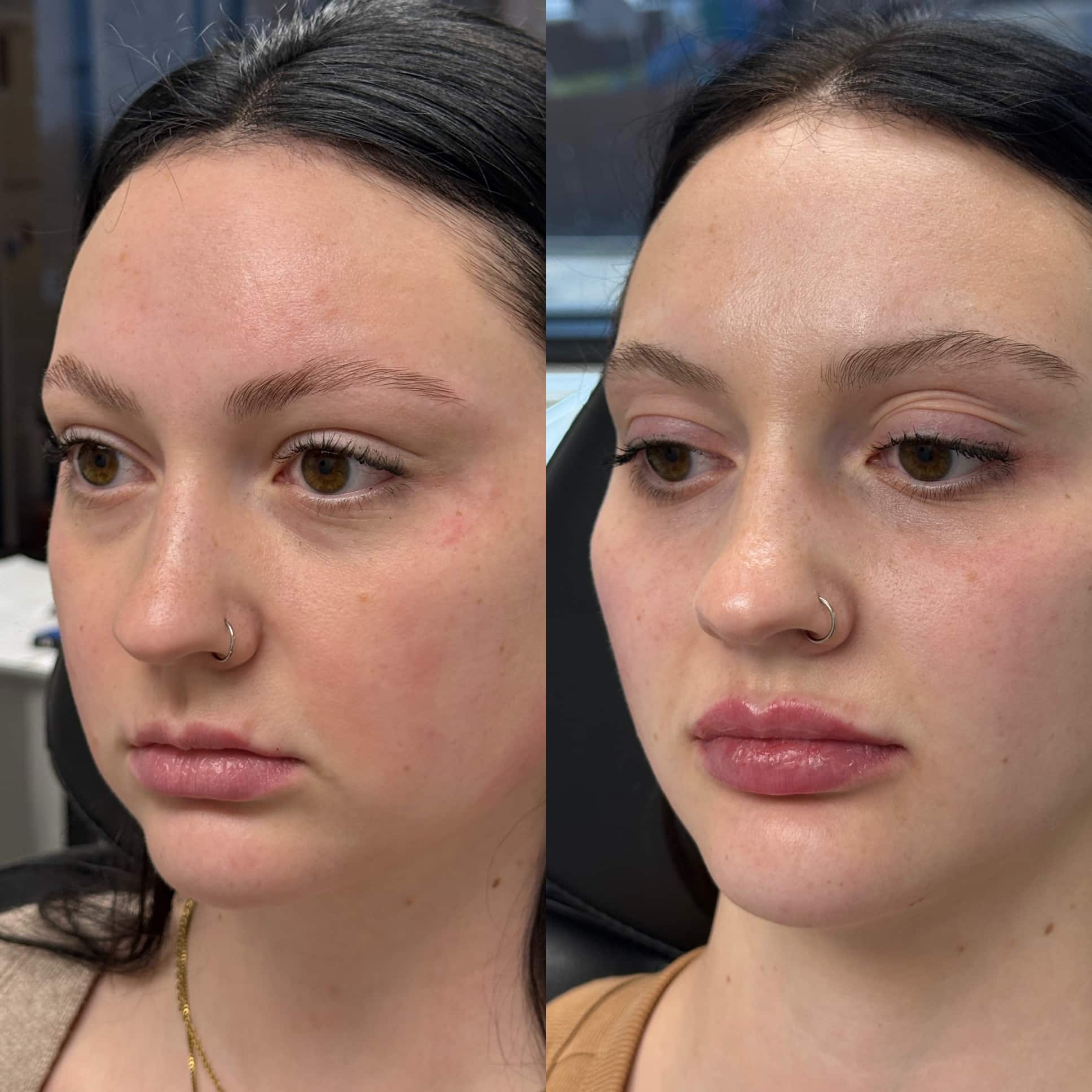
Cheek Filler Before and After Photos

Before-and-after photos show how cheek fillers enhance facial balance by restoring midface structure, lifting sagging tissues, and refreshing overall contours. Subtle results restore lost volume; while more dramatic enhancements create sculpted cheekbones. Results highlight how cheek fillers harmonize facial proportions without surgery, providing both youthful softness and improved definition.

Pros and Cons of Getting Cheek Filler

Pros

  • Immediate results with no surgery
  • Restores volume and youthful contour
  • Lifts and softens the lower face
  • Long-lasting (12-24 months)
  • Reversible if needed
  • Minimal downtime

Cons

  • Temporary; requires maintenance
  • Swelling and bruising possible
  • Overfilling may cause puffiness
  • Rare risks include vascular occlusion
  • Costs add up over time
  • Results depend heavily on injector skill

How it Works

What it Treats

Volume loss, flattening, sagging, and midface imbalance.

Procedure Time

30-45 minutes per session.

Eligibility

Healthy adults seeking midface rejuvenation or contouring.

Recovery & Downtime

Mild swelling/bruising 2-7 days; most resume normal activities immediately.

What to Expect Before, During, and After Cheek Filler

Before Cheek Filler

Patients should avoid alcohol, blood thinners, and certain supplements to minimize bruising. A consultation determines goals and treatment plan.

During Cheek Filler

Topical numbing or lidocaine within the filler enhances comfort. Small amounts are injected strategically to restore contour and volume.

After Cheek Filler

Mild swelling or bruising is common. Results settle within 1-2 weeks; patients should avoid strenuous activity for 24 hours.

Potential Risks and Side Effects from Cheek Filler

Swelling, bruising, or tenderness at the injection site

Temporary; resolves within a week.

Lumps, asymmetry, or overfilling

May require massage, adjustment, or hyaluronidase to correct.

Vascular occlusion leading to skin damage (rare)

Serious but rare; immediate treatment by trained providers reduces risks.

Frequently Asked Questions

Most cheek fillers last 12-24 months, depending on filler type, metabolism, and lifestyle.

Hyaluronic acid fillers like Juvederm Voluma or Restylane Lyft are commonly used; choice depends on goals and anatomy.

No; when placed by skilled providers, cheek fillers restore natural balance without overfilling or distortion.

Minimal downtime; mild swelling or bruising may occur but usually resolves within a few days.

Yes; hyaluronic acid fillers can be dissolved with hyaluronidase if adjustments are needed.

Sources & Studies

The information presented on this page is supported by data and insights from the following trusted sources:

Filler statistics and safety guidelines.

Evidence-based insights on filler use in facial rejuvenation.

Research on filler efficacy and complication management.

All sources are reviewed for accuracy and reliability to ensure the content is medically sound and up to date.

Locate a Certified Clinic for Cheek Filler

Discover trusted, world-class clinics verified for safety, expertise, and patient experience.