Back to treatments

Facelift (Rhytidectomy)

A facelift repositions the deeper structural layers of the face and neck. Skin isn’t pulled tight; the anatomy underneath is restored for lasting change. 

Overview

What is a Facelift?

A facelift, medically called rhytidectomy, is a surgical procedure that addresses moderate to advanced signs of facial aging. Rather than simply tightening skin, modern facelift techniques reposition the deeper tissues that hold facial structure. As we age, ligaments loosen, the SMAS (superficial musculoaponeurotic system) descends, and volume shifts downward. A facelift lifts and repositions these deeper layers, then redrapes the skin naturally over the new foundation. A facelift resets the effects of facial aging, but it doesn’t stop the aging process. Skin, soft tissue, and bone continue to change over time, though patients generally continue to look younger than they would have without surgery.

There isn’t one facelift. There are several techniques: SMAS lift, deep plane, extended SMAS, MACS, and mini variations. Each addresses different anatomy and different aging patterns. What matters more than the technique name is whether the surgeon has selected the right approach for your face. The best facelifts don’t look like facelifts. They look like you ten years earlier.

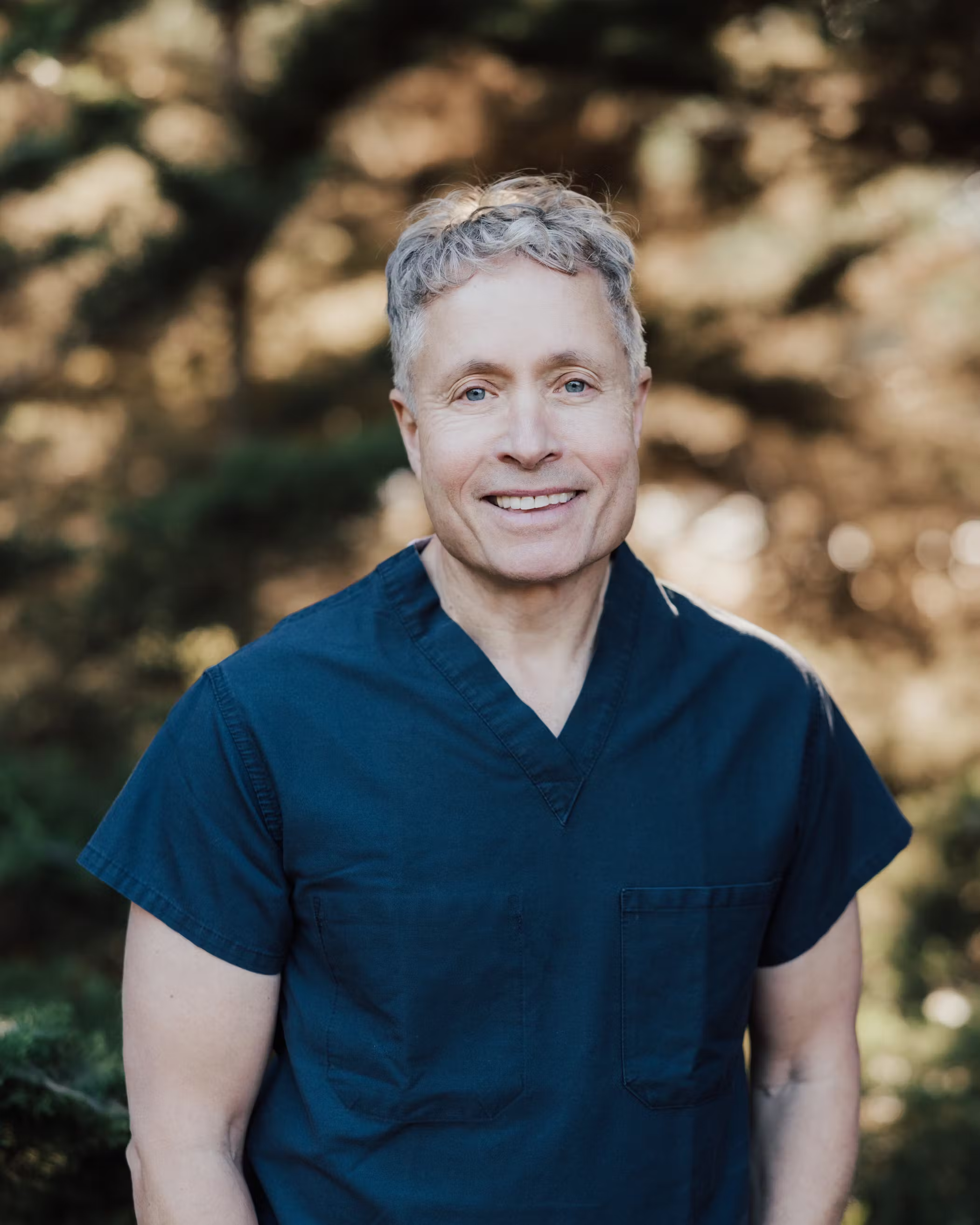
Brad Calobrace Headshot

Bradley Calobrace, MD, FACS

Founder and Medical Director

TL;DR Summary

A facelift (rhytidectomy) restores a more youthful appearance by repositioning the deeper structural layers of the face and neck, not by pulling the skin tight. Modern facelift techniques create natural-looking, long-lasting results that soften jowls, sagging skin, and deep facial folds while preserving your unique facial features.

Cost of a Facelift

The cost of a facelift depends on the surgical technique, the surgeon’s experience, whether a neck lift or other procedures are included, facility and anesthesia fees, and geographic location. Request an itemized quote that clearly separates surgeon, anesthesia, and facility costs. 

Approximately 92% of patients report positive outcomes in published systematic reviews; deep plane techniques report 94.4% patient satisfaction, SMAS techniques 87.8%

Success rates

$25,000

Average cost (USD)

100,000 procedures annually in the U.S.

Procedures performed annually

Reported at 10.3% for SMAS techniques and 17.2% for deep plane in published meta-analyses. Reported rates vary by technique, study design, and how complications are defined; most complications are minor and resolve.

Complication rate

Average cost (USD)

$25,000

Cost Range (USD)

$10,000 – $50,000+ depending on technique and market

A facelift is generally a one-time surgical investment. Insurance does not cover a cosmetic facelift, though functional components (post-injury reconstruction) may be. Financing is offered by many practices, though this is a procedure worth taking time to plan for rather than rushing. 

Pros and Cons of Getting a Facelift

Pros

  • Addresses Moderate to Advanced Facial Aging
  • Long-Lasting Results Typically 10-15 Years
  • Repositions Deeper Anatomy, Not Just Skin
  • One-Time Surgical Investment
  • Combines Well with Neck Lift and Eyelid Surgery
  • Restores Facial Definition and Jawline


Cons

  • Meaningful Recovery Period (2-3 Weeks Social Downtime)
  • Higher Total Cost Than Non-Surgical Options
  • Outcome Depends Heavily on Surgeon Selection
  • Small Risk of Nerve Injury or Scarring
  • Not a Substitute for Volume Restoration or Skin Quality Work
  • Cannot Address Every Aging Concern Alone


How it Works

A facelift releases and repositions the deeper facial tissues, restores structural support, removes excess skin, and redrapes it naturally to improve facial contours. 

What it Treats

A facelift addresses jowling, midface descent, deepening nasolabial folds, marionette lines, loss of jawline definition, and neck laxity from moderate to advanced facial aging. 

Procedure Time

A facelift typically takes 3 to 6 hours under general anesthesia or IV sedation. Combined procedures (neck lift, blepharoplasty) extend surgical time proportionally. 

Eligibility

Healthy adults with realistic expectations, moderate to advanced facial aging, and stable weight are candidates. Candidates should also have good overall health, stable medical conditions, and enough skin laxity for surgery to provide meaningful improvement. Smoking significantly increases wound-healing complications; patients are typically required to stop well before surgery and throughout recovery. 

Recovery & Downtime

Most patients take two to three weeks of social downtime. Bruising and swelling peak in week one and resolve over four to six weeks. 

What to Expect Before, During, and After a Facelift

Before a Facelift

Your surgeon reviews medical history, medications, prior procedures, and aesthetic goals. Pre-operative bloodwork, medical clearance, and photos are standard. Patients are asked to stop smoking, blood thinners, and certain supplements weeks in advance. Do not stop prescribed medications without clearance from your prescribing clinician.

During a Facelift

A facelift is performed under general anesthesia or IV sedation with local. Incisions are placed along the hairline, in front of and behind the ear, and sometimes under the chin. The surgeon lifts and repositions deeper tissues, then closes with layered sutures and, typically, drains.

After a Facelift

Expect bruising, swelling, tightness, and mild discomfort for the first week. Drains and dressings are removed within a few days. Sutures come out around day seven to fourteen. Most swelling improves within several weeks, though subtle swelling can continue to resolve over several months. Final results are typically appreciated around three to six months.

Potential Risks and Side Effects from a Facelift

Hematoma or Bleeding

Hematoma is the most common early complication, typically appearing within 24 to 48 hours. Prompt recognition and surgical drainage prevent lasting effects on outcome.

Nerve Injury

Temporary weakness in facial muscles can occur if branches of the facial nerve are irritated. Most cases resolve within weeks; permanent injury is uncommon.

Scarring or Poor Healing

Incisions heal into fine lines hidden by the hairline and behind the ear. Poor healing is more likely in smokers, diabetics, or patients with certain skin conditions.

A facelift repositions the deeper structural layers of the face and neck, not just the skin, to correct sagging, jowling, and deep-set wrinkles that build up over decades. A surgeon tailors the technique to how much movement has occurred. Below are the concerns this treatment addresses, each explained on its concern page.

As collagen and elastin decline, the deeper support structures beneath the skin weaken, allowing skin to sag along the cheeks, jawline, and neck. A facelift repositions these underlying structures directly, which holds over time far better than tightening the surface skin alone.

Jowls form as the ligaments holding cheek tissue in place stretch and allow that tissue to descend along the jawline. A facelift lifts and secures this tissue back into a higher position, restoring a more defined jawline rather than just tightening the skin over it.

Deep wrinkles set into the face as the structural support beneath the skin weakens over years, leaving lines that stay visible even at rest. A facelift addresses the underlying cause by repositioning that support, which softens these lines more effectively than surface treatments alone.

Frequently Asked Questions

Most patients enjoy results for ten to fifteen years. The face continues to age naturally, but the surgery resets the timeline. Genetics, sun exposure, and skincare influence how long results endure. 

A full facelift addresses the mid to lower face and neck. A mini facelift treats early jowling with smaller incisions and shorter recovery. Anatomy, not age, determines which is appropriate. 

Injectables restore lost volume and relax muscles. A facelift repositions anatomy that has descended. When skin laxity is the primary concern, surgery is required. When volume dominates, injectables often suffice. 

A deep plane facelift releases the retaining ligaments beneath the SMAS and repositions the midface as a single unit. Published systematic reviews have reported higher patient satisfaction alongside higher complication rates than SMAS techniques. 

Smokers, patients with uncontrolled diabetes or blood pressure, active infections, unrealistic expectations, or unstable weight are typically not candidates. A thorough consultation identifies suitability and highlights alternative options where appropriate. 

Sources & Studies

The following references support the safety, effectiveness, and clinical background of Facelift Procedures:

A Systematic Review and Comparative Analysis of Reconstructive Rhytidectomy: Advantages, Disadvantages, and Patient Outcomes

The Deep Plane versus SMAS Facelift: A Systematic Review and Meta-Analysis

Comparing the Safety and Efficacy of Superficial Musculoaponeurotic System and Deep Plane Facelift Techniques: A Systematic Review and Meta-analysis

Evaluating the Effectiveness of the High-SMAS Facelift Technique: Objective Clinical Outcomes at 1-year

All sources reviewed for accuracy, safety, and current clinical relevance.

Providers for Facelift (Rhytidectomy)

MD, FACS

Dr. Anthony Admire is a board-certified plastic surgeon and founder of Admire Plastic Surgery and Admire Skin + Wellness Clinic in Scottsdale, Arizona.

Scottsdale, AZ

Suite 150 Phoenix, AZ

MD, MSC, FACS

Dr. Kaveh Alizadeh is a board-certified plastic surgeon, clinical researcher, and founder of Cosmoplastic Surgery, with offices in Long Island and New York City.

New York, NY

Jericho, NY

MD, FACS

Dr. Eric Mariotti is a board-certified plastic surgeon and founder of Dr. Mariotti Plastic Surgery & M Spa in Walnut Creek, California.

Concord, CA

Concord, CA

FACS

Dr. Joshua Korman is a Board-Certified plastic surgeon and founder of Korman Plastic Surgery & Wunderbar MedSpa, serving the San Francisco Bay Area.

2500 Hospital Drive Suite 9A Building 9 Mountain View, CA

999 Story Road Suite 9003 San Jose, CA

26366 Carmel Rancho Lane Suite H Carmel-By-The-Sea, CA

, 4746

MD, FACS, Board Certified Plastic Surgeon

Dr. Renato Saltz is the Founder of Saltz Plastic Surgery and Spa Vitória, with locations in Salt Lake City and Park City. He specializes in facial rejuvenation, breast surgery, and body contouring, bringing more than 30 years of experience to a personalized approach focused on natural, refined results.

5445 South Highland Drive Salt Lake City, UT

1441 Ute Blvd. Suite 140 Park City, UT

Locate a Certified Clinic for Facelift (Rhytidectomy)

Discover trusted, world-class clinics verified for safety, expertise, and patient experience.