Back to treatments

Laser Skin Resurfacing

Laser skin resurfacing improves skin tone, texture, and firmness by stimulating collagen and removing damaged layers, reducing wrinkles, scars, and sun damage for smoother, radiant skin.

Find a Provider

Overview

What is Laser Skin Resurfacing?

Laser skin resurfacing is a cosmetic procedure that uses concentrated light energy to remove damaged outer layers of skin and stimulate collagen production. It is highly effective for treating wrinkles, acne scars, age spots, and uneven texture. Depending on the device and intensity, treatments can be ablative or non-ablative, offering either deeper resurfacing with longer downtime or gentler sessions with quicker recovery. The result is smoother, younger-looking skin with improved tone, elasticity, and overall clarity.

This treatment is customizable to patient needs, with different lasers targeting specific concerns such as pigmentation, fine lines, or deep scars. Patients often require a series of sessions for optimal results, though improvements are visible after just one treatment. While some redness and swelling are expected, downtime varies from a few days to two weeks depending on laser strength. Laser resurfacing remains one of the most effective nonsurgical methods for comprehensive skin rejuvenation and long-term anti-aging benefits.


Professional headshot of a man in a light blue suit and patterned tie, smiling against a neutral background.

Dr. David Robbins

MD

Cost of Laser Skin Resurfacing

Costs depend on the type of laser used, treatment area size, and number of sessions required. While often more expensive upfront, results can be dramatic and long-lasting compared to other skin rejuvenation methods.

85–90% patient satisfaction

Success rates

$2,500 per session

Average cost (USD)

500,000+

Procedures performed annually

1–3%

Complication rate

Average cost (USD)

$2,500 per session

Cost Range (USD)

$1,000–$4,000 per session

Patients view laser resurfacing as a worthwhile investment due to its long-term rejuvenating effects. Financing options are often available, making treatment more accessible for those seeking lasting results.

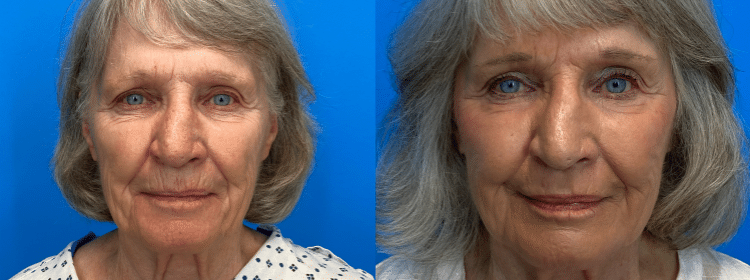
Laser Skin Resurfacing Before and After Photos

Before-and-after photos highlight the transformative power of laser resurfacing, showcasing reduced wrinkles, smoother skin, and improved overall tone. Patients often see a brighter complexion, fewer age spots, and diminished acne scars. Each treatment is tailored to the patient’s skin type and goals, ensuring natural and balanced outcomes. Results are noticeable within weeks and continue improving as collagen production increases. These outcomes demonstrate why laser resurfacing remains a leading choice for those seeking comprehensive, non-surgical skin rejuvenation with lasting results.

Pros and Cons of Getting Laser Skin Resurfacing

Pros

  • Improves skin tone and texture
  • Reduces wrinkles, scars, and pigmentation
  • Stimulates collagen for long-term benefits
  • Customizable to different concerns and skin types
  • Noticeable results after one session
  • Non-surgical with lasting effects

Cons

  • Downtime may last days to weeks
  • Temporary redness, swelling, or peeling
  • Risk of hyperpigmentation or hypopigmentation
  • Multiple sessions may be required
  • Higher upfront cost compared to facials
  • Not suitable for all skin tones or conditions

How it Works

Laser resurfacing uses concentrated light energy to precisely remove damaged skin layers and trigger collagen regeneration. This process smooths wrinkles, improves texture, and reduces scars or pigmentation; revealing healthier, more even skin. Treatment can be tailored from gentle to intensive, depending on your needs and downtime preference.

What it Treats

Laser resurfacing treats wrinkles, acne scars, sun damage, and uneven skin texture by removing damaged layers and stimulating new collagen for smoother, healthier skin.

Procedure Time

Treatments last 30–90 minutes depending on the size of the area and the depth of resurfacing required for desired results.

Eligibility

Suitable for patients with wrinkles, scars, or pigmentation issues. Not ideal for very dark skin tones or those with active infections.

Recovery & Downtime

Downtime ranges from a few days for non-ablative lasers to up to two weeks for ablative resurfacing, depending on intensity and healing speed.

What to Expect Before, During, and After Laser Skin Resurfacing

Before Laser Skin Resurfacing

Patients should avoid tanning, stop retinoids, and use sunscreen before treatment. A consultation ensures the correct laser type is chosen for skin type and goals.

During Laser Skin Resurfacing

During the procedure, a handheld laser device delivers focused light to the skin, removing damaged cells and stimulating collagen. Patients may feel heat or tingling, but topical numbing agents are applied for comfort.

After Laser Skin Resurfacing

Redness, swelling, and peeling is common. Healing creams and sun protection are essential. Results improve over weeks as new collagen forms, revealing smoother, brighter, more youthful-looking skin.

Potential Risks and Side Effects from Laser Skin Resurfacing

Hyperpigmentation or Hypopigmentation

Some patients may experience darkening or lightening of the skin after treatment. Risks are reduced when performed by experienced providers using appropriate laser settings.

Redness and Swelling

Redness, swelling, and peeling are normal side effects that subside within days to weeks. Proper aftercare promotes faster healing and better results.

Infection or Scarring

Rarely, improper healing can lead to infection or scarring. Following post-treatment care reduces risks and improves recovery outcomes.

Frequently Asked Questions

While effective for many, laser resurfacing is not ideal for very dark skin tones due to pigmentation risks. Advancements in technology now allow safer treatment for a broader range of patients, but consultation with a qualified provider is essential to assess safety.

Recovery varies by laser type. Non-ablative treatments require only a few days of downtime, while ablative lasers may need up to two weeks. Redness and peeling are common, but results become visible once healing progresses.

Many patients see results after one session, but a series of treatments is often recommended for optimal improvement, especially for deeper wrinkles, scars, or pigmentation. The number of sessions depends on individual concerns and treatment goals.

Patients should use soothing creams, avoid sun exposure, and apply sunscreen daily. Gentle skincare products are recommended until healing is complete. Following provider aftercare instructions ensures better recovery and long-lasting results.

Yes. Laser resurfacing is often combined with treatments like microneedling, fillers, or chemical peels for enhanced results. Providers create personalized plans to address multiple skin concerns in a safe, effective way.

Sources & Studies

The information presented on this page is supported by data and insights from the following trusted sources:

Follow-up (~24 months) showed high satisfaction and sustained wrinkle improvement, with a low incidence of long-term side effects like pigment changes.

At 30-month follow-up of full-face resurfacing, 75% would recommend it, and 88% reported improved appearance.

Analysis of 1,093 patients found overall adverse events in 9.7%; ablative lasers had fewer complications (2.6%) than non-ablative (7.5%).

The current average U.S. cost per session is approximately $1,829 (not including facility or anesthesia fees).

All sources are reviewed for accuracy and credibility to ensure the content remains reliable and up to date.

Locate a Certified Clinic for Laser Skin Resurfacing

Discover trusted, world-class clinics verified for safety, expertise, and patient experience.