Back to treatments

Lip Filler

Lip fillers enhance lip volume, shape, and symmetry using injectable hyaluronic acid-based products; offering natural-looking results with minimal downtime and customizable treatment options.

Find a Provider

Overview

What is a Lip Filler?

Lip fillers are injectable treatments, most often made with hyaluronic acid, designed to enhance lip volume, improve symmetry, and smooth fine lines around the mouth. These fillers provide immediate, natural-looking results and can be tailored to patient goals—ranging from subtle hydration to more dramatic volume enhancement.

The procedure is quick, minimally invasive, and reversible if needed. Lip fillers are popular among patients of all ages, from those wanting youthful definition to individuals addressing age-related thinning of the lips. With a skilled injector, results appear balanced, soft, and proportionate to the rest of the face.

Noreen Bollinger

Nurse | RN, BSN

Cost of Lip Filler

Lip filler costs vary based on filler type, amount used, and provider expertise. Most patients need 1 syringe per treatment, though maintenance may require touch-ups every 6–12 months.

95%+ patient satisfaction

Success rates

$750 per syringe

Average cost (USD)

Over 3 million in the U.S.

Procedures performed annually

Less than 1% with trained providers

Complication rate

Average cost (USD)

$750 per syringe

Cost Range (USD)

$500–$1,200 per syringe

While lip fillers are a cosmetic investment, many patients consider them worthwhile due to their safety, reversibility, and immediate results. Maintenance treatments ensure lasting improvements.

Lip Filler Before and After Photos

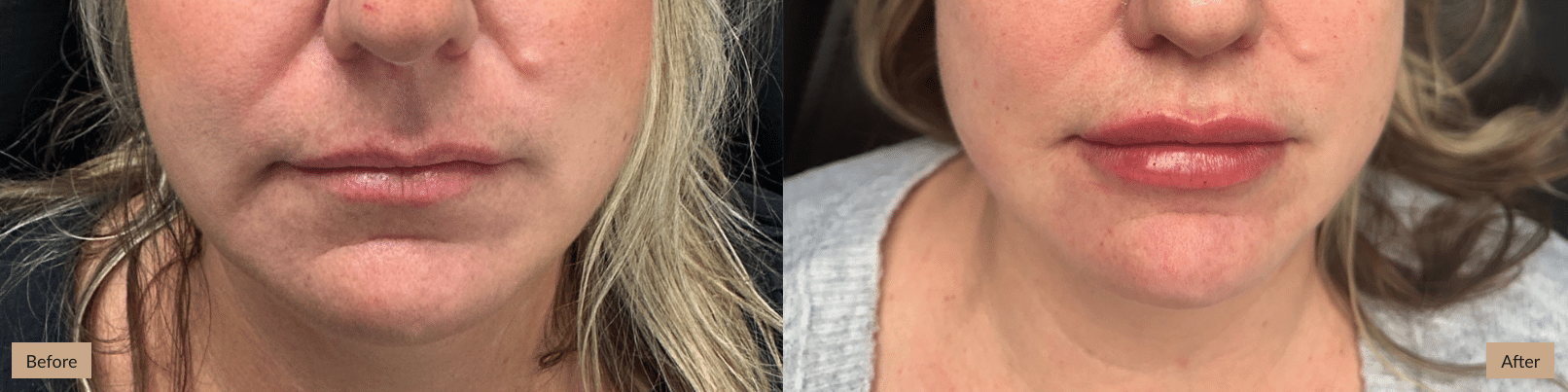
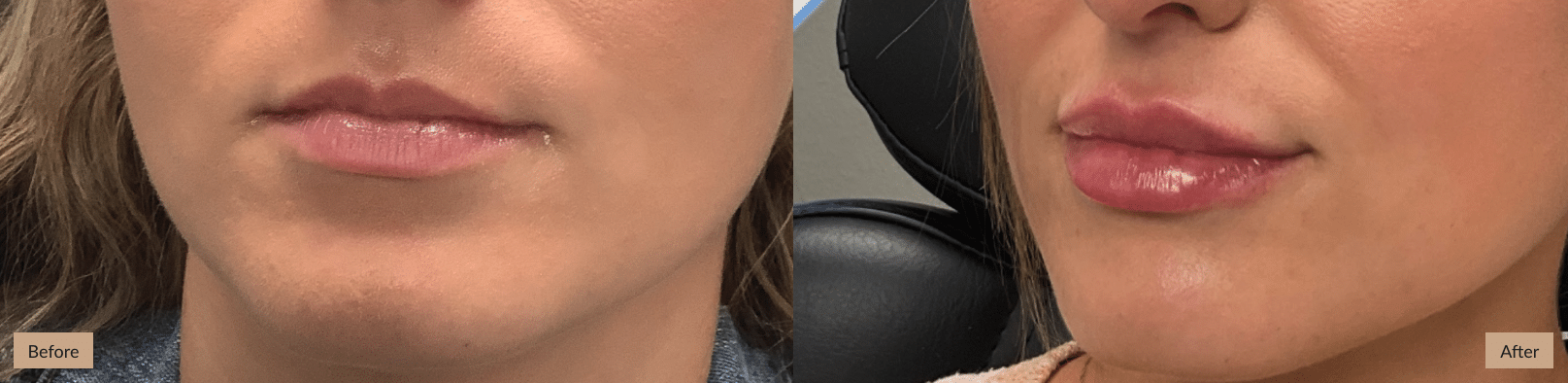
Before-and-after photos demonstrate how lip fillers enhance shape, balance, and definition while maintaining a natural look. Subtle results may include hydration and smoothing of fine lines, while bolder outcomes achieve fuller, more contoured lips. Photographs highlight how skilled injections can harmonize lip shape with overall facial features for natural-looking results.

Pros and Cons of Getting Lip Filler

Pros

  • Immediate results
  • Customizable to patient goals
  • Reversible with hyaluronidase
  • Quick procedure with minimal downtime
  • Improves hydration and fine lines
  • Safe with skilled providers

Cons

  • Temporary; requires maintenance
  • Swelling and bruising common
  • Risk of asymmetry or migration
  • Cost adds up over time
  • Not suitable for everyone (e.g., certain health conditions)
  • Rare but serious complications possible

How it Works

What it Treats

Lip thinning, asymmetry, fine lines, and lack of definition.

Procedure Time

20–45 minutes depending on technique.

Eligibility

Adults in good health with realistic expectations.

Recovery & Downtime

Mild swelling/bruising 2–7 days; final results in 1–2 weeks.

What to Expect Before, During, and After Lip Filler

Before Lip Filler

Avoid blood thinners, alcohol, and certain medications to reduce bruising. A consultation ensures goals and expectations are aligned.

During Lip Filler

Numbing cream may be applied. The provider injects filler into specific areas of the lips to enhance shape and volume.

After Lip Filler

Temporary swelling, bruising, or tenderness is normal. Ice packs help; patients should avoid strenuous activity for 24 hours.

Potential Risks and Side Effects from Lip Filler

Swelling, bruising, redness, and tenderness

Common and temporary; resolves within a week.

Lumps, asymmetry, migration, or nodules

May require massage or correction with hyaluronidase.

Vascular occlusion, tissue necrosis, or blindness (rare)

Extremely rare but serious; requires immediate medical attention.

Frequently Asked Questions

Results usually last 6–12 months, depending on filler type, metabolism, and lifestyle. Maintenance sessions are recommended to sustain volume and definition.

Initial swelling subsides within a few days, with final results visible after 1–2 weeks when lips settle into their natural shape.

Yes, hyaluronic acid fillers can be dissolved with an enzyme called hyaluronidase, allowing safe reversal of results if needed.

Lip fillers are generally safe when performed by trained providers. Risks exist but are rare and minimized with proper injection techniques.

Choose an experienced provider, avoid blood thinners pre-treatment, and follow aftercare instructions carefully to reduce bruising and complications.

Sources & Studies

The information presented on this page is supported by data and insights from the following trusted sources:

Statistics and safety guidelines on injectable fillers.

Evidence-based resources on filler procedures and outcomes.

Patient education on filler risks, results, and safety.

Peer-reviewed research on filler effectiveness and complications.

All sources are reviewed for accuracy and credibility to ensure the content remains reliable and up to date.

Locate a Certified Clinic for Lip Filler

Discover trusted, world-class clinics verified for safety, expertise, and patient experience.