Back to treatments

Microneedling

Microneedling stimulates natural collagen production by creating controlled micro-injuries in the skin; improving texture, tone, scars, and fine lines with minimal downtime.

Find a Provider

Overview

What is Microneedling?

Microneedling, also known as collagen induction therapy, uses fine needles to create micro-injuries in the skin. These controlled channels stimulate the body’s natural healing response, boosting collagen and elastin production. Over time, this process helps repair damaged tissue, reduce acne scars, smooth fine lines, and improve skin texture.

The treatment is safe for all skin types and can be customized to address specific concerns. Microneedling is often performed alone or combined with platelet-rich plasma (PRP) or radiofrequency (RF) for enhanced results. It is minimally invasive with short recovery times, making it a popular option for overall skin rejuvenation.

Matt Taranto

Owner | Managing Partner

TL;DR Summary

Microneedling is a minimally invasive treatment that uses fine needles to create controlled micro-injuries in the skin, stimulating collagen and elastin production. It is commonly used to improve skin texture, fine lines, acne scars, and overall skin tone. Results develop gradually over a series of treatments as the skin heals and rebuilds. Outcomes depend on treatment depth, technique, and the experience of the provider performing the procedure.

Cost of Microneedling

Microneedling costs vary by location, provider, and whether advanced options like PRP or RF are added. Most patients require a series of treatments for the best results, making packages more cost-effective.

85-90% patient satisfaction

Success rates

$350 per session

Average cost (USD)

Over 1.5 million in the U.S.

Procedures performed annually

Less than 1% with proper care

Complication rate

Average cost (USD)

$350 per session

Cost Range (USD)

$200-$700 per session

Although multiple sessions are recommended, microneedling remains one of the most affordable skin rejuvenation options. Many patients schedule maintenance treatments once or twice a year after their initial series.

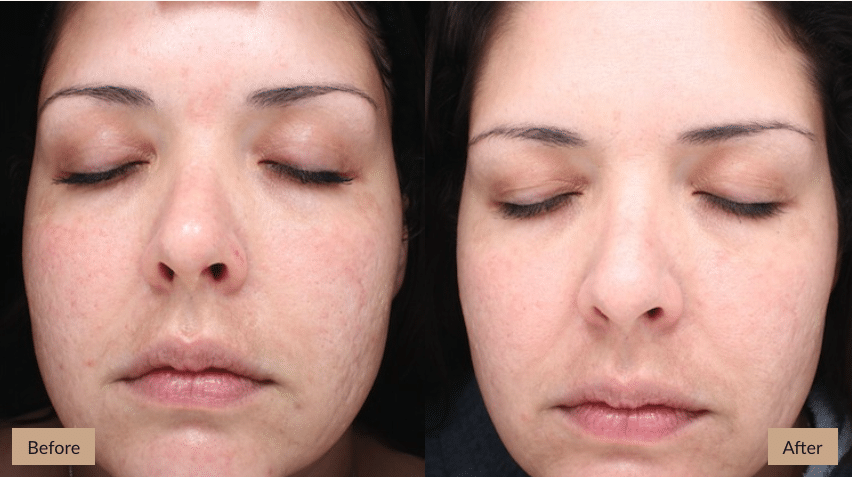
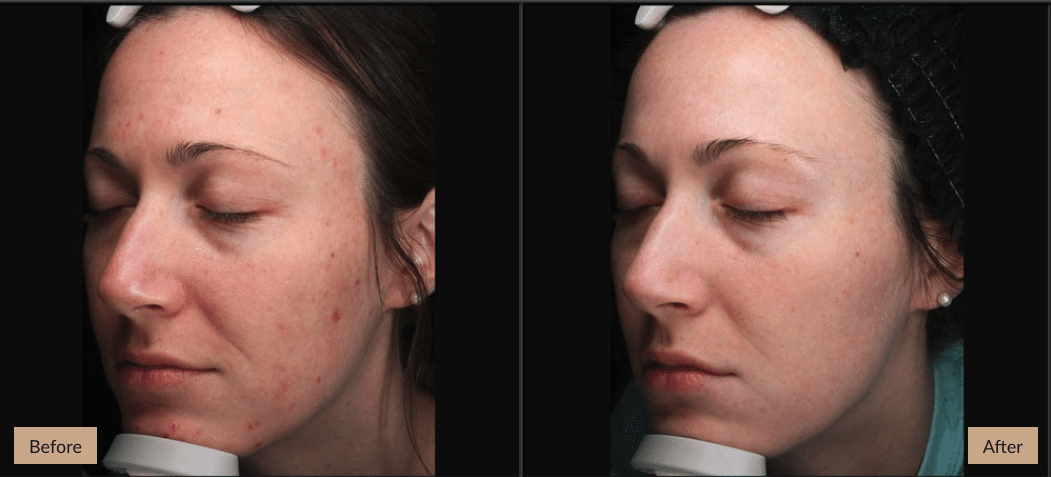
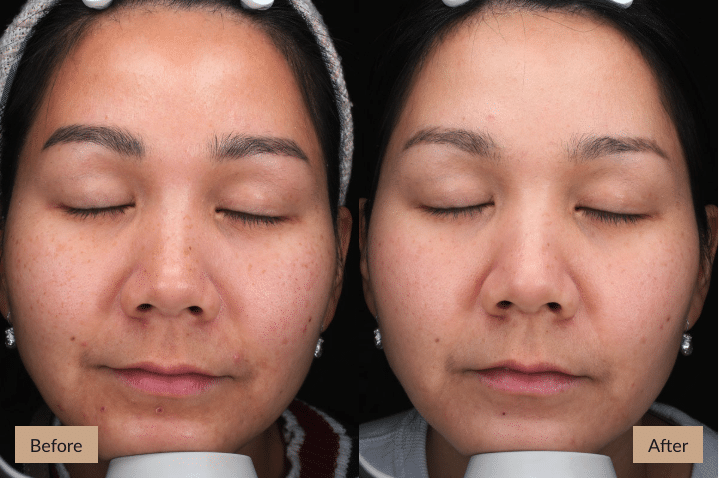
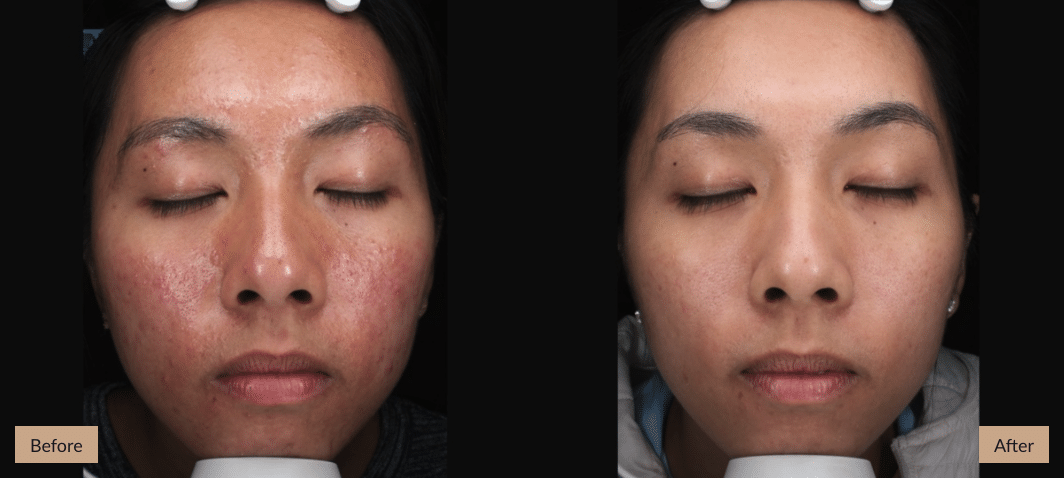
Microneedling Before and After Photos

Before-and-after photos highlight microneedling’s effectiveness in softening acne scars, reducing pore size, and smoothing fine lines. Results improve gradually as collagen rebuilds, with optimal outcomes seen after a series of treatments. With consistency, patients experience long-term improvements in skin quality and overall radiance, making microneedling a versatile, results-driven treatment.

Pros and Cons of Getting Microneedling

Pros

  • Stimulates natural collagen production
  • Improves scars, fine lines, and texture
  • Safe for all skin types
  • Minimal downtime
  • Affordable compared to lasers
  • Can be combined with PRP or RF

Cons

  • Multiple sessions required for best results
  • Temporary redness and swelling
  • Not effective for severe sagging
  • Risk of irritation with poor aftercare
  • Results vary by individual healing
  • Professional skill impacts outcomes

How it Works

What it Treats

Acne scars, enlarged pores, fine lines, uneven texture, and mild pigmentation.

Procedure Time

30-60 minutes depending on the treatment area.

Eligibility

Safe for all skin types; not recommended for active infections or uncontrolled skin conditions.

Recovery & Downtime

Redness and mild swelling for 24-72 hours; makeup typically allowed after 24 hours.

What to Expect Before, During, and After Microneedling

Before Microneedling

Avoid sun exposure, retinoids, and blood thinners for several days. Arrive with clean, product-free skin.

During Microneedling

A numbing cream is applied. A microneedling device creates controlled micro-injuries across the skin, often described as a prickling sensation.

After Microneedling

Skin may appear red, sensitive, and slightly swollen. Gentle skincare and sun protection are essential during healing.

Potential Risks and Side Effects from Microneedling

Redness, swelling, or mild bleeding

Common and temporary; resolves within days.

Skin irritation or dryness

Expected during healing; improved with moisturizer and gentle care.

Infection or scarring (rare)

Rare with sterile technique; more likely if aftercare instructions are not followed.

Frequently Asked Questions

Microneedling treats acne scars, fine lines, large pores, uneven skin tone, and mild laxity by stimulating natural collagen and elastin production.

Most patients need 3-6 sessions spaced 4-6 weeks apart, with maintenance treatments yearly.

Downtime is typically 1-3 days of redness and swelling, with gradual improvement over several weeks.

Yes, it is safe for all tones and types; though those with active infections or eczema should avoid treatment.

Patients often see initial results within 2-4 weeks, with continued improvements over several months as collagen remodels.

Sources & Studies

The information presented on this page is supported by data and insights from the following trusted sources:

American Academy of Dermatology (AAD)

Clinical guidance on microneedling safety and effectiveness.

Mayo Clinic - Microneedling

Patient education on benefits, risks, and procedure details.

Journal of Clinical and Aesthetic Dermatology

Studies on microneedling outcomes for scars and rejuvenation.

Dermatologic Surgery Journal

Research on microneedling safety and long-term results.

All sources are reviewed for accuracy and credibility to ensure the content remains reliable and up to date.

Locate a Certified Clinic for Microneedling

Discover trusted, world-class clinics verified for safety, expertise, and patient experience.