Back to treatments

Neck Lift

A surgical procedure designed to tighten loose skin, smooth wrinkles, and redefine the jawline and neck for a youthful, firmer, natural appearance.

Find a Provider

Overview

What is a Neck Lift?

A neck lift, or lower rhytidectomy, is a cosmetic procedure that improves visible signs of aging in the jawline and neck. It removes excess skin, tightens underlying muscles, and repositions tissue to restore a youthful contour. This surgery addresses sagging, jowls, and “turkey neck” that often appear with age or weight changes.

Many patients choose a neck lift to achieve a firmer, smoother, and more defined profile. It may be performed alone or combined with procedures like a facelift or liposuction for enhanced balance. When performed by an experienced surgeon, results are natural-looking, long-lasting, and significantly rejuvenate overall facial harmony.

Cost of Neck Lift

The cost varies depending on the surgeon’s expertise, anesthesia, and whether additional procedures (like liposuction or facelift) are included. Facility fees and geographic region also impact price.

90-95% patient satisfaction

Success rates

$8,000

Average cost (USD)

50,000+ in the U.S.

Procedures performed annually

3-6%

Complication rate

Average cost (USD)

$8,000

Cost Range (USD)

$6,000-$12,000

Most neck lifts are elective and not covered by insurance. Many patients finance surgery. Combining procedures may increase cost but can provide comprehensive, longer-lasting results.

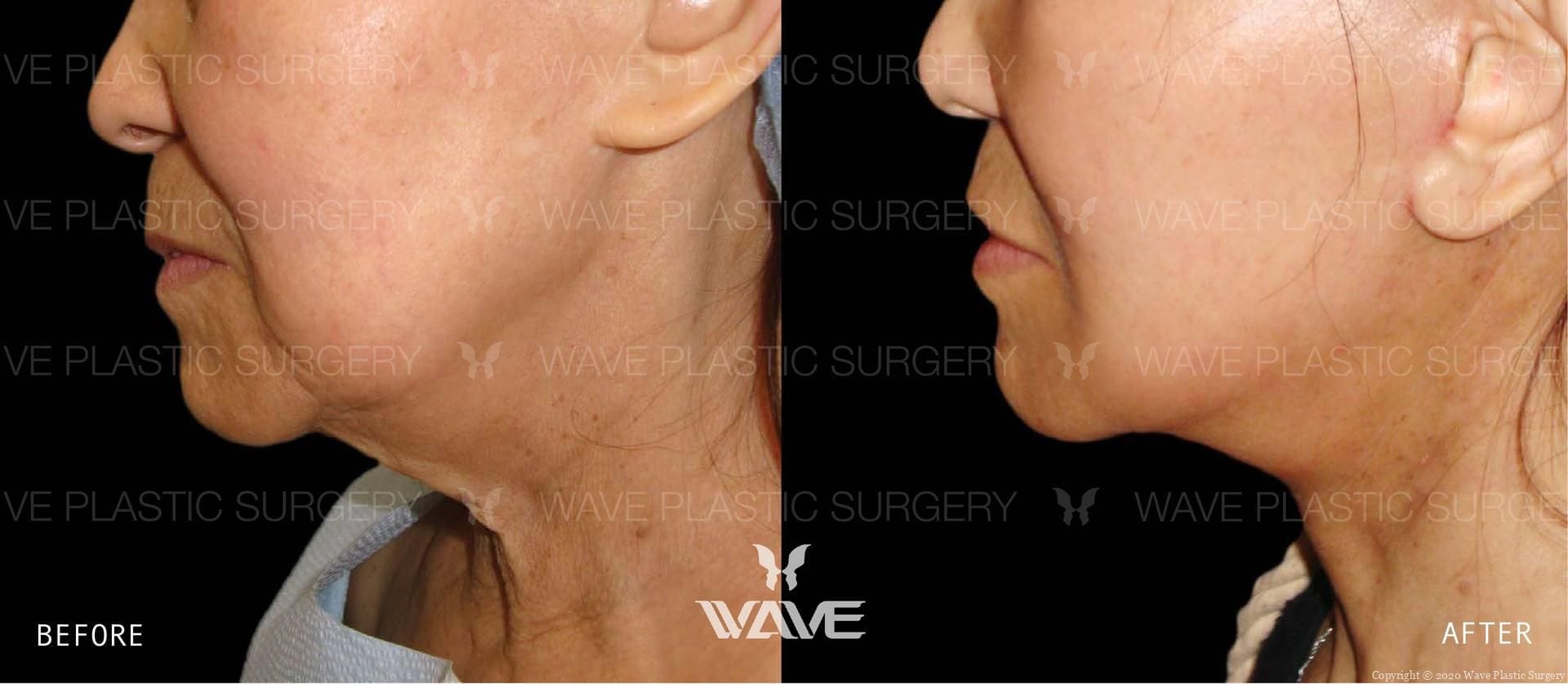
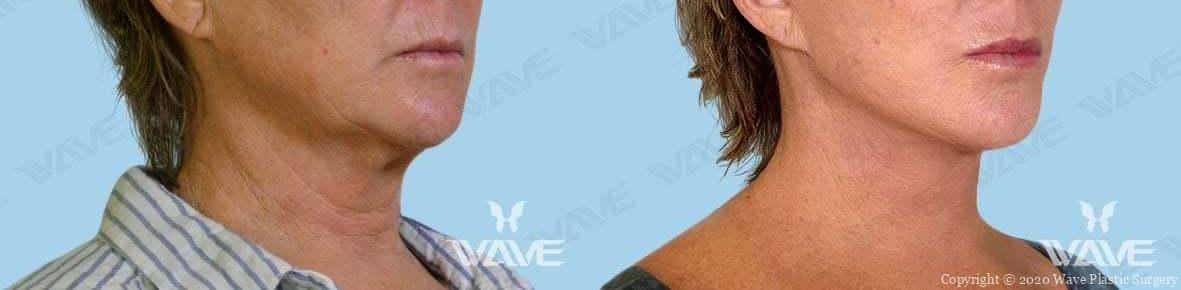
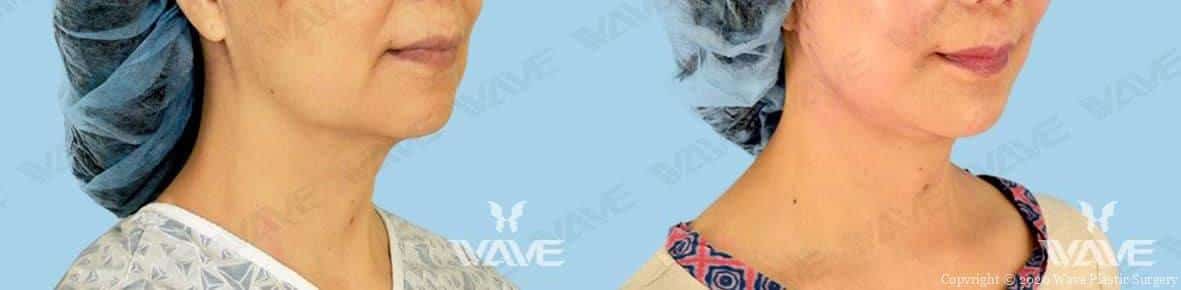
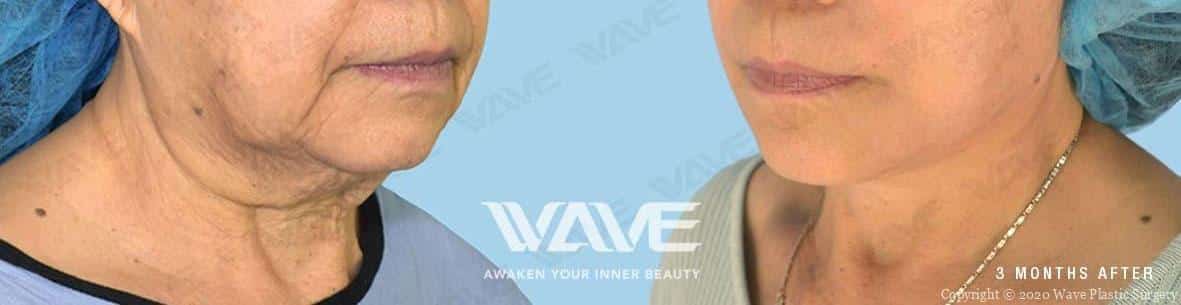
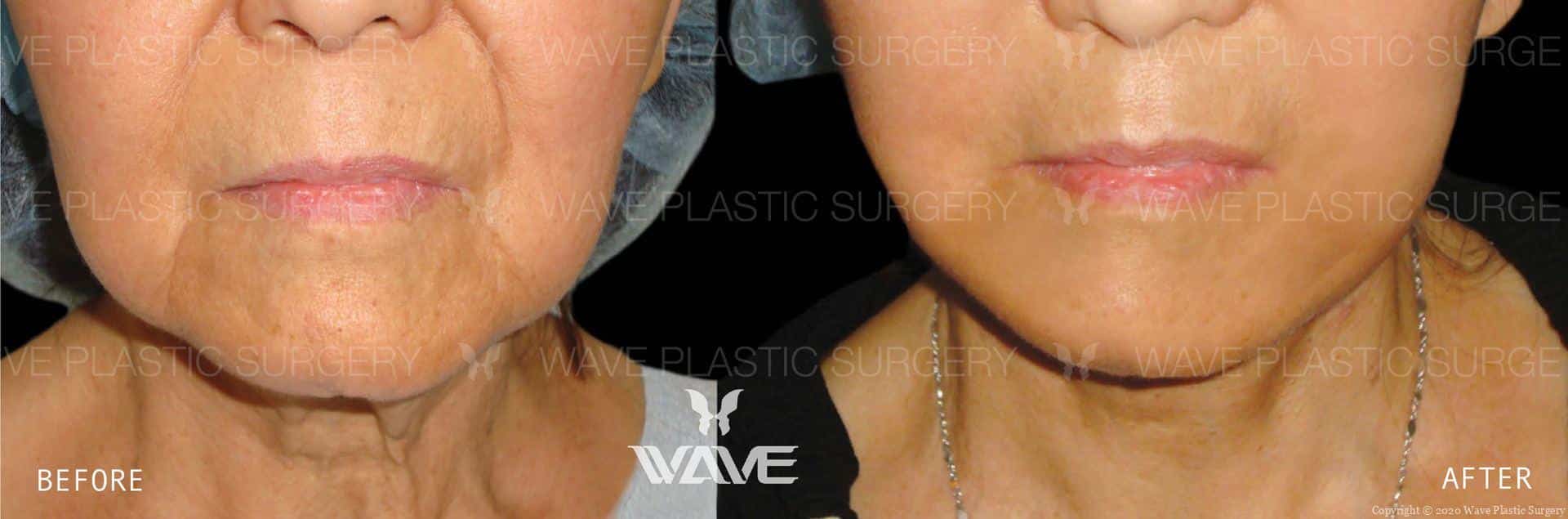
Neck Lift Before and After Photos

Before-and-after photos highlight dramatic improvements in neck contour, skin tightness, and jawline definition. They demonstrate how surgery addresses sagging skin, deep folds, and muscle banding. All patients’ results are unique and depend on anatomy and goals, but most enjoy a refreshed, firmer appearance that enhances facial proportion and confidence.

Pros and Cons of Getting a Neck Lift

Pros

  • Creates a smoother, firmer neckline
  • Removes excess, sagging skin
  • Defines the jawline
  • Long-lasting rejuvenation
  • Can be combined with facelift
  • Improves self-confidence

Cons

  • Surgical risks like bleeding or infection
  • Potential nerve injury
  • Scarring (though discreetly placed)
  • Requires downtime and healing
  • Not a solution for skin aging prevention
  • Possible need for revision

How it Works

A neck lift rejuvenates the lower face and neckline by tightening underlying muscles, removing excess skin, and refining contours. The procedure smooths sagging, reduces jowls, and restores definition; creating a more youthful, balanced profile that enhances harmony between the face and neck.

What it Treats

A neck lift addresses sagging skin, jowls, deep creases, and vertical muscle banding in the neck, restoring youthful contours and improving harmony between the face and neckline.

Procedure Time

Surgery typically lasts two to three hours under anesthesia. Additional time may be needed if combined with liposuction or facelift procedures for optimal results.

Eligibility

This procedure is best suited for healthy patients with skin laxity, jowls, or sagging neck tissue. Candidates should have realistic expectations and no major medical contraindications.

Recovery & Downtime

Most patients return to normal activities within 2-3 weeks. Swelling and bruising subside gradually, with results visible after several months.

What to Expect Before, During, and After a Neck Lift

Before Neck Lift

Your surgeon will review medical history, perform an exam, and discuss goals. Pre-op steps may include lab testing, stop certain medications, and arrange post-op support.

During Neck Lift

Incisions are made behind the ears and under the chin. The surgeon repositions muscles, removes excess skin, and smooths contours before closing with fine sutures.

After Neck Lift

Expect swelling, tightness, and bruising in the first two weeks. Compression garments support healing. Most patients resume light activities within 2-3 weeks.

Potential Risks and Side Effects from a Neck Lift

Hematoma or seroma

Fluid or blood collection under the skin may occur but can be treated with drainage. Early recognition and follow-up visits reduce risks and protect results.

Nerve injury

Temporary numbness or weakness can occur after surgery. Permanent nerve injury is rare. Choosing an experienced surgeon minimizes this complication.

Scarring or contour irregularities

Scars are placed discreetly, but poor healing may cause noticeable marks or irregular contours. Proper care and skilled surgery help reduce these risks.

Frequently Asked Questions

Recovery usually takes 2-3 weeks for most patients. Bruising and swelling improve steadily. Full healing and results are typically visible within three to six months.

Incisions are carefully placed behind the ears and under the chin, making scars discreet. Over time, scars fade significantly and become barely noticeable with proper care.

Options include traditional neck lift, limited-incision lift, and liposuction-assisted techniques. The best choice depends on your anatomy, aging concerns, and desired outcome.

Yes. Temporary nerve changes or banding can occur, but permanent issues are rare. Skilled techniques and aftercare minimize these risks significantly.

Results typically last 10-15 years. While surgery cannot stop aging, maintaining a stable weight, sun protection, and healthy habits help preserve your rejuvenated appearance longer.

Sources & Studies

The following trusted sources support the information on this page:

ASPS overview covering techniques, recovery timelines, costs, and risks of neck lift surgery.

Clinical study on patient satisfaction rates (90-95%) and complication rates for lower rhytidectomy procedures.

Comprehensive resource explaining what a neck lift treats, different techniques, and expected recovery.

All references have been reviewed to ensure accuracy, safety, and medical reliability.

Locate a Certified Clinic for Neck Lift

Discover trusted, world-class clinics verified for safety, expertise, and patient experience.