
Turkey Neck: The Non-Surgical & Surgical Treatment Guide for 2026
Cosmetic Procedures · Neck Rejuvenation
Key Takeaways
- Turkey neck is three problems in one: skin laxity, platysmal banding, and submental fat. The right treatment matches the specific cause.
- Mild-to-moderate cases respond well to non-surgical options. Morpheus8 series, Kybella, and Nefertiti Botox address different components.
- Severe cases with platysmal banding require surgery. Energy devices cannot eliminate true vertical neck cords.
- GLP-1 weight loss is now a major driver of early turkey neck in patients in their 30s and 40s.
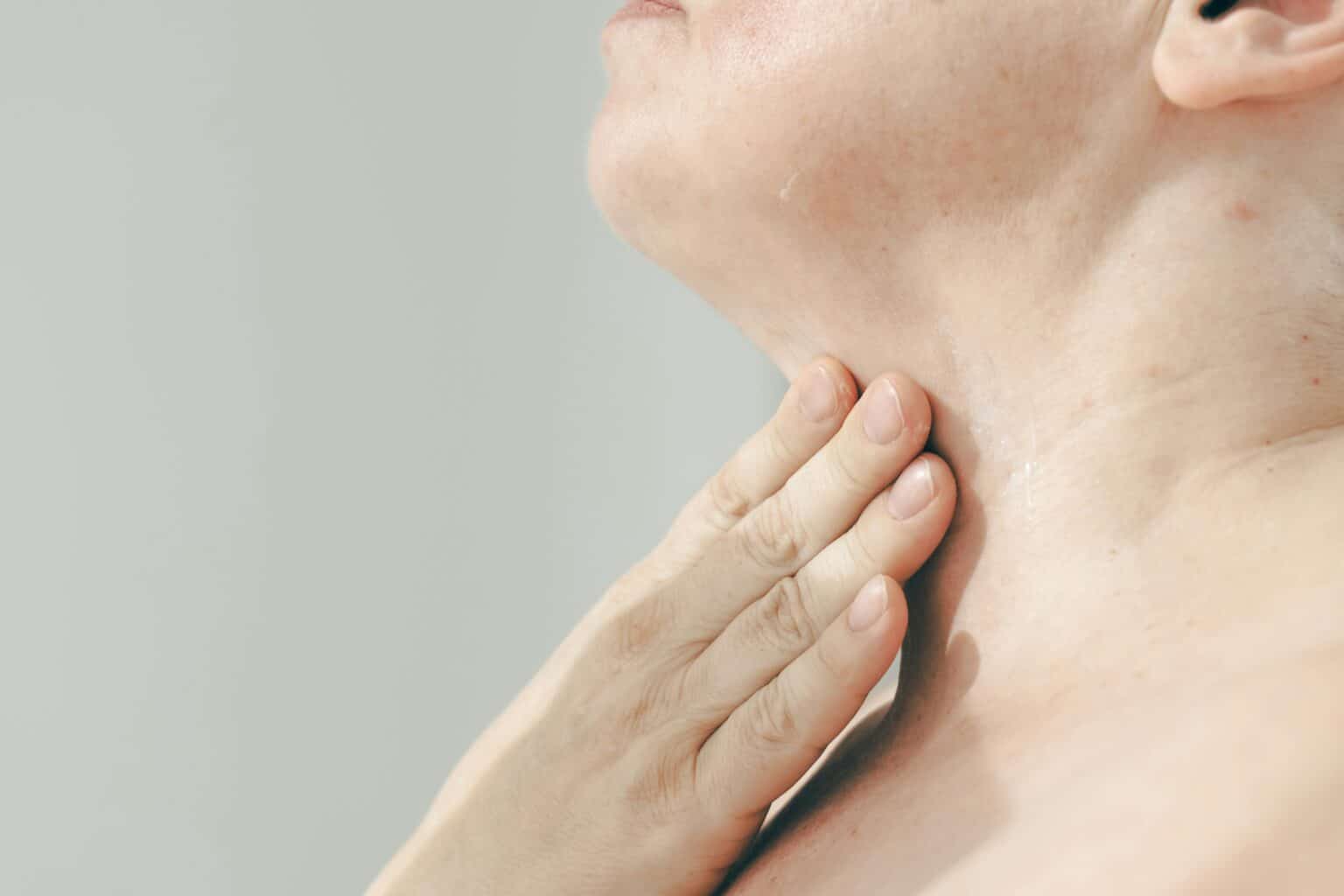
Turkey neck is not a single problem with a single fix. It’s three overlapping issues: skin laxity from collagen loss, platysmal muscle banding, and submental fat redistribution. The right treatment depends on which of those three is doing most of the damage.
This covers every effective treatment option for 2026 and when each is appropriate.
Treatment options by severity
| Patient Profile | Best Treatment | Investment |
|---|---|---|
| 30s–40s, early laxity, prevention-focused | Annual Ultherapy or Sofwave + SPF | $2,000–$4,000/yr |
| 40s, submental fat dominant | Kybella (2–4 sessions) then Morpheus8 | $4,000–$8,000 |
| 40s–50s, mild-moderate laxity | Morpheus8 series (3) + Nefertiti Botox | $5,000–$10,000 |
| 50s–60s, visible bands, severe laxity | Full neck lift (cervicoplasty + platysmaplasty) | $8,000–$15,000 |
| Post-GLP-1, persistent laxity 18+ months | Surgical assessment recommended | $8,000–$50,000 |
When you’ve passed the non-surgical window
You can pinch more than 1.5cm of skin under your jawline. Visible vertical cords appear when you clench your jaw. Previous energy treatments produced no visible change. You’re over 55 or have had significant weight loss with skin redundancy persisting more than 18 months. Any of these indicators means energy devices won’t deliver meaningful results.
Photograph your neck in natural light from the front, profile, and with your head slightly lifted before your consultation. Note whether your concern looks worse in morning light or under direct overhead light — those two conditions reveal different anatomy and point toward different treatments.
Frequently asked questions
What causes turkey neck?
Three overlapping issues: skin laxity from collagen loss, platysmal muscle banding, and submental fat. UV exposure, GLP-1 weight loss, and genetics accelerate the pattern.
World’s Leading Clinics
Global Directory of Certified Aesthetic Clinics
This article is published by World’s Leading Clinics, a merit-based, third-party-certified directory connecting patients with leading aesthetic clinics worldwide. Explore certified clinics.