
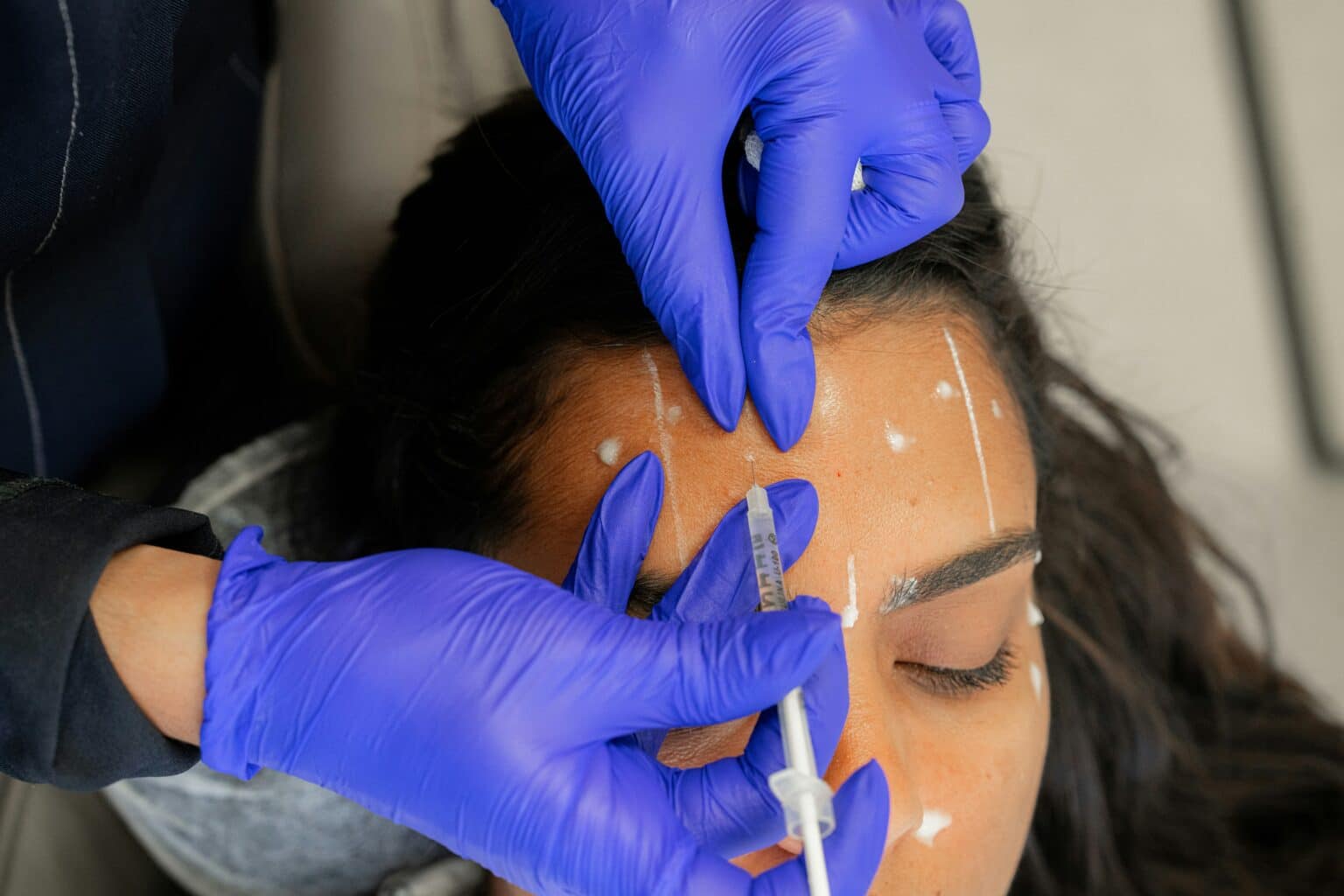
Why Regenerative Medicine Is the Future of Anti-Aging
Dr. Matthew Baker
17 February, 2026
Why Regenerative Medicine Is the Future of Anti-Aging
Aesthetic Medicine · Regenerative · Anti-Aging
Medically reviewed by Board-Certified Plastic Surgeons · 6 min read
Key Takeaways
- Regenerative medicine stimulates the body’s own repair systems rather than masking visible signs of aging.
- It targets cellular communication, collagen production, and tissue renewal, not just volume.
- Results develop gradually and often look healthier rather than altered.
- Common modalities include PRP, PRF, microneedling with growth factors, exosomes, polynucleotides, and collagen biostimulators.
- Provider expertise drives outcomes more than the category alone. Patient selection, technique, and planning matter.
The conversation around anti-aging has changed dramatically over the last decade. Traditional approaches focused on masking visible signs of aging, such as wrinkles, volume loss, and uneven skin tone. Today, patients are increasingly interested in solutions that work at a deeper biological level.
Regenerative medicine represents a shift toward treatments that support the body’s own repair systems. Rather than replacing or filling, the goal is to encourage cellular renewal, stimulate collagen production, and support long-term skin health.
How regenerative medicine works
Regenerative medicine is built on the principle that the body has an innate capacity to heal and renew itself when given the right biological signals. As we age, the signals that tell cells to regenerate and repair become weaker. Regenerative therapies help restore those signals, encouraging healthier skin, stronger tissue integrity, and improved overall vitality. The focus is cellular communication, not volume replacement, which is why results tend to evolve gradually and look natural.
Moving beyond surface-level solutions
Many traditional anti-aging treatments address symptoms rather than causes. They can deliver noticeable short-term results, but may not improve long-term skin health. Regenerative medicine works differently by targeting the biological processes responsible for aging at the cellular level. By improving skin quality from within, these treatments enhance texture, elasticity, and tone over time. Patients often report that their skin looks healthier rather than altered, which makes the distinction important for those seeking subtle, refined results.
| Element | Traditional Anti-Aging | Regenerative Anti-Aging |
|---|---|---|
| Goal | Mask or reduce visible signs of aging | Stimulate the body’s own repair systems |
| Mechanism | Replaces volume, relaxes muscles, resurfaces skin | Activates cellular communication and collagen production |
| Results | Often immediate, with a defined endpoint | Gradual; evolves over weeks to months |
| Maintenance | Repeated treatments to maintain effect | Compounding benefit with periodic sessions |
| Appearance | Visibly treated | Looks healthier rather than altered |
| Long-term skin health | Limited direct impact on tissue quality | Direct improvement in tissue quality over time |
The role of cellular renewal
Aging skin is influenced by declining collagen production, reduced blood flow, and slower cell turnover. Regenerative medicine addresses these factors by promoting cellular renewal. When cells function more efficiently, the skin becomes more resilient and better equipped to repair damage from environmental stress. The focus on renewal rather than replacement is what allows results to last longer and remain consistent with the patient’s natural features.
What regenerative treatments include
Regenerative medicine is a category, not a single procedure. The modalities below work through different biological mechanisms but share the goal of supporting tissue renewal from within.
| Modality | How It Works | What It Addresses |
|---|---|---|
| Platelet-rich plasma (PRP) | Concentrated growth factors from your own blood, injected or applied topically | Skin texture, mild laxity, hair restoration |
| Platelet-rich fibrin (PRF) | Slower-release version of PRP using a fibrin matrix | Under-eye hollows, skin quality, healing support |
| Microneedling with growth factors | Controlled micro-injury combined with topical growth factors | Texture, fine lines, mild scarring, tone |
| Exosome therapy | Cell-derived signaling vesicles applied topically or with microneedling | Skin regeneration, hair restoration support |
| Polynucleotide injectables | Stimulate fibroblast activity and tissue repair | Skin quality, elasticity, hydration |
| Collagen biostimulators (PLLA, CaHA) | Stimulate collagen production over months | Structural support, skin firmness, gradual contour improvement |
“The goal is not to look like you had something done. The goal is to look like your skin is working better than it did a year ago. That is what cellular medicine can do that volume alone cannot.”
Why patients are choosing this path
Many patients want treatments that align with wellness, longevity, and preventive care. Regenerative medicine fits that mindset by treating health alongside appearance. Another factor is downtime. Most regenerative treatments are minimally invasive and can be incorporated into a routine without significant disruption. Personalization matters too. Treatments adapt to individual skin condition, age, lifestyle, and goals rather than applying a one-size-fits-all protocol.
Why the provider matters more than the treatment
Regenerative medicine relies on a deep understanding of anatomy, cellular biology, and aging patterns. Outcomes are influenced as much by patient selection, precise technique, and integration into an overall plan as by the treatment itself. A trusted provider evaluates medical history, skin health, lifestyle, and long-term goals before recommending therapy. Ongoing education matters too, because regenerative medicine is an evolving field shaped by emerging research and clinical best practices.
Regenerative medicine represents more than a new category of treatments. It is a different philosophy of care that prioritizes restoration, resilience, and skin health at every stage of life. For patients valuing natural-looking results and a proactive approach to aging, it offers a credible long-term path forward.
Find a verified regenerative medicine provider
Every clinic in the World’s Leading Clinics network is independently verified for physician oversight, accredited facility standards, and authenticated patient outcomes.
Frequently asked questions
What is regenerative medicine in anti-aging?
Regenerative medicine in anti-aging refers to treatments that stimulate the body’s own repair systems to improve skin quality, collagen production, and tissue health. Rather than masking signs of aging, the goal is to support cellular renewal at the source.
How is it different from traditional aesthetic treatments?
Traditional treatments often replace volume, relax muscles, or resurface skin to address visible signs of aging. Regenerative treatments activate cellular communication and collagen production. Results develop gradually and improve over time rather than peaking immediately.
What treatments fall under regenerative medicine?
Platelet-rich plasma (PRP), platelet-rich fibrin (PRF), microneedling with growth factors, exosome therapy, polynucleotide injectables, and collagen biostimulators are common examples. Each works through different biological mechanisms but shares the goal of supporting tissue renewal.
How long until I see results?
Most regenerative treatments produce gradual change. Initial improvement is often visible within 3 to 6 weeks. Continued improvement develops over 3 to 6 months as collagen rebuilds and tissue quality improves.
Are regenerative treatments safe?
Most regenerative treatments use the patient’s own biology (such as PRP and PRF) or well-studied biologically active products. Safety depends on appropriate patient selection, sterile technique, and an experienced provider. Discuss your medical history thoroughly before treatment.
Is there downtime?
Most regenerative treatments are minimally invasive with short downtime. Mild redness, swelling, or pinpoint bruising may occur. Most patients return to normal activity within 24 to 72 hours depending on the specific procedure.
Who is a good candidate?
Adults seeking long-term improvement in skin quality, elasticity, and texture rather than dramatic change. Patients with realistic expectations and willingness to invest in a multi-session plan tend to benefit most. Active infection, certain medical conditions, and pregnancy are typical reasons to defer.
How do I find a qualified provider?
Choose a medically supervised provider with documented training in regenerative protocols, deep knowledge of skin biology, and a portfolio of natural-looking, long-term results. World’s Leading Clinics independently verifies every certified provider and clinic in our directory.
References
- Alves R, Griñón-Echaniz R. Platelet-Rich Plasma in Dermatology: Boon or Bane? J Cutan Aesthet Surg. 2018.
- Hesseler MJ, Shyam N. Platelet-Rich Plasma and Its Utility in Medical Dermatology: A Systematic Review. J Am Acad Dermatol. 2019.
- Aust MC, Knobloch K, Reimers K, et al. Percutaneous Collagen Induction Therapy: An Alternative Treatment for Scars, Wrinkles, and Skin Laxity. Plast Reconstr Surg. 2008.
- Park BS, Jang KA, Sung JH, et al. Adipose-Derived Stem Cells and Their Secretory Factors as a Promising Therapy for Skin Aging. Dermatol Surg. 2008.
- American Society of Plastic Surgeons. Regenerative Medicine in Aesthetic Surgery. plasticsurgery.org
- American Society for Dermatologic Surgery. Biologic and Regenerative Treatments in Dermatology. asds.net
|
World’s Leading Clinics Medically Reviewed · Board-Certified Plastic Surgeons This article is independently produced by the World’s Leading Clinics editorial team and reviewed by board-certified plastic surgeons and dermatologists before publication. Every clinic and provider listed in our directory is independently verified for board certification, accredited facility standards, complication training, and authenticated patient outcomes. We accept no paid placements. Learn how we verify. |
Subscribe to get updates
Stay informed about our latest offerings and news.
By subscribing you agree to our Privacy Policy.