
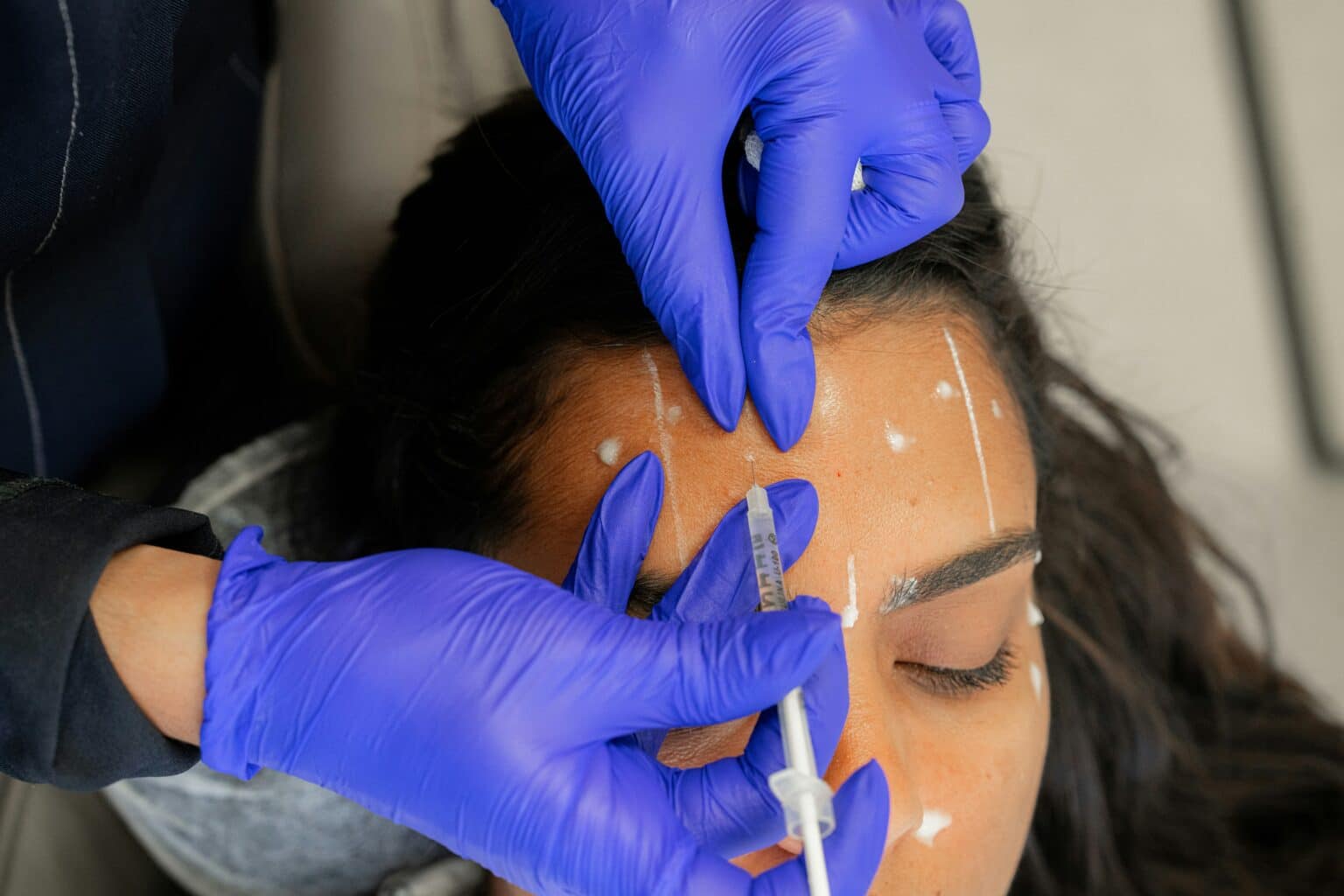
Not Just for Wrinkles: How Medical Botox Tackles Chronic Migraines Differently

Jordan Perez
11 March, 2026Medical Botox for Chronic Migraines vs. Cosmetic Botox
Medical · Neurology · Chronic Migraine
Medically reviewed by Board-Certified Physicians · 6 min read
Key Takeaways
- Medical Botox for migraines is a different treatment from cosmetic Botox: different purpose, different protocol, significantly higher dose.
- It is FDA-approved for chronic migraine, defined as 15+ headache days per month, 8+ meeting migraine criteria, for more than 3 months.
- The PREEMPT protocol uses 31 injection sites across the head, neck, and shoulders, performed every 12 weeks.
- It is preventative, not acute. Botox does not stop a migraine in progress. Benefits build over 2 to 3 treatment cycles.
- Insurance often covers treatment when diagnostic criteria are met and other preventatives have been tried.
Chronic migraines are more than headaches. They are a neurological condition that can interfere with work, sleep, concentration, and overall quality of life. Patients often arrive frustrated after trying multiple medications without lasting relief.
One treatment that is frequently misunderstood is Botox for chronic migraines. Many people associate Botox exclusively with cosmetic wrinkle reduction, but the medical migraine protocol is fundamentally different in purpose, dosing, technique, and outcome. Understanding the distinction is essential before considering treatment.
What qualifies as chronic migraine
Chronic migraine is defined as headaches occurring on 15 or more days per month, with at least 8 of those days meeting criteria for migraine, for more than 3 months. Symptoms may include throbbing pain, light sensitivity, nausea, visual disturbances, and neck tension. At this frequency, migraines are considered a chronic neurological condition rather than episodic headaches. Botox is FDA-approved as a preventative treatment for this specific diagnosis, not occasional tension headaches.
How medical Botox for migraines works
Cosmetic Botox targets muscle movement to soften expression lines. Medical Botox for migraines targets the pain pathways involved in migraine generation. Botulinum toxin type A blocks the release of certain neurotransmitters involved in pain signaling. By interrupting those signals, the medication reduces the frequency and severity of attacks over time. This is a preventative treatment. It is not designed to stop an active migraine.
The medical migraine protocol
The protocol, known as PREEMPT, uses a standardized injection pattern established through clinical trials. Unlike cosmetic Botox, which is customized for aesthetic goals, the medical migraine protocol follows a precise map. Injections are placed across muscle groups in the head and neck: forehead, temples, back of the head, upper neck, and shoulders. Approximately 31 injection sites are used in total, delivering a measured therapeutic dose targeted at sensory nerves active in migraine pathways.
| Feature | Cosmetic Botox | Medical Botox for Migraines |
|---|---|---|
| Purpose | Soften dynamic wrinkles | Prevent chronic migraine attacks |
| Indication | Aesthetic, elective | Chronic migraine diagnosis (15+ headache days/month) |
| Injection pattern | Customized to facial expression | Standardized PREEMPT protocol |
| Number of injection sites | ~3 to 7 facial areas | ~31 sites across head, neck, and shoulders |
| Typical total dose | 20 to 64 units | 155 to 195 units |
| Frequency | Every 3 to 4 months | Every 12 weeks consistently |
| Time to benefit | 3 to 14 days | Often 2 to 3 treatment cycles |
| Insurance coverage | Not covered | Often covered when criteria are met |
“Patients walk in expecting the same conversation they had at the medspa. The medical migraine protocol is a different treatment built on a different evidence base, with a different goal. Same molecule, different medicine.”
What patients can expect
Improvement is gradual. Most patients begin noticing fewer migraine days after the first or second treatment cycle. Full therapeutic benefit is often observed after the third cycle. Treatments are performed approximately every 12 weeks, and consistency is critical. Side effects are generally mild and may include injection-site discomfort, neck stiffness, or temporary muscle weakness. Serious complications are rare when the protocol is administered properly.
Who is a good candidate?
This is a medical treatment reserved for adults with a formal chronic migraine diagnosis. Ideal candidates experience frequent migraine days that interfere with daily function despite lifestyle modification and trial of other preventative medications. Pregnancy, breastfeeding, and certain neuromuscular conditions may make Botox inappropriate. A comprehensive consultation allows for individualized assessment and confirmation of diagnostic criteria.
| Patient Profile | Recommendation | Notes |
|---|---|---|
| Formal chronic migraine diagnosis; prior preventatives tried | Strong candidate | Begin medical evaluation and insurance verification |
| Occasional or tension headaches | Not a candidate | Protocol is approved for chronic migraine only |
| Acute migraine in progress, seeking relief | Not the right tool | Botox is preventative, not acute treatment |
| Pregnant or breastfeeding | Defer | Standard contraindication for the protocol |
| Neuromuscular disorder (myasthenia gravis, ALS, similar) | Discuss alternatives | Increased risk profile; requires neurology input |
| Has not yet tried first-line preventatives | Start with stepwise care | Insurance and clinical guidelines typically require prior trials |
Botox for chronic migraines is not cosmetic Botox used differently. It is an evidence-based preventative protocol designed for a specific diagnosis. For appropriate candidates, integrated into a broader management plan that includes trigger identification, sleep, hydration, and stress management, it can meaningfully reduce migraine frequency, improve daily function, and decrease reliance on acute pain medications.
Find a verified migraine specialist
Every clinic in the World’s Leading Clinics network is independently verified for physician oversight, accredited facility standards, and authenticated patient outcomes.
Frequently asked questions
What is the difference between medical and cosmetic Botox?
Cosmetic Botox softens dynamic wrinkles using customized injections at low dose. Medical Botox for chronic migraines uses a standardized 31-site protocol at significantly higher dose to prevent migraine attacks. Same molecule, different treatment.
How often is Botox given for chronic migraines?
Every 12 weeks. The treatment is preventative and cumulative. Skipping or delaying cycles often allows migraine frequency to return.
Does insurance cover Botox for chronic migraines?
Often yes, when documented diagnostic criteria are met and other preventative medications have been tried. Coverage and prior authorization requirements vary by plan.
How long until I see results?
Most patients notice fewer migraine days after the first or second treatment cycle. Full therapeutic benefit is often observed after the third cycle, approximately 9 months in.
Does Botox stop a migraine that has already started?
No. Botox is a preventative treatment designed to reduce migraine frequency over time. Acute migraine relief requires different medications taken during an attack.
What are the diagnostic criteria for chronic migraine?
Headaches occurring on 15 or more days per month, with at least 8 of those days meeting migraine criteria, for more than 3 months. Diagnosis is made by a qualified medical provider.
What are the side effects?
Mild and typically temporary: injection-site discomfort, neck stiffness, or short-term muscle weakness. Serious complications are rare when the protocol is administered by trained providers.
How do I find a qualified provider?
Choose a medical provider, often a neurologist or headache specialist, trained specifically in the PREEMPT chronic migraine protocol. World’s Leading Clinics independently verifies every certified provider and clinic in our directory.
References
- U.S. Food and Drug Administration. BOTOX (onabotulinumtoxinA) for Injection: Chronic Migraine Indication. fda.gov
- Aurora SK, Dodick DW, Turkel CC, et al. OnabotulinumtoxinA for Treatment of Chronic Migraine: Results From the Double-Blind, Randomized, Placebo-Controlled Phase of the PREEMPT 1 Trial. Cephalalgia. 2010.
- Diener HC, Dodick DW, Aurora SK, et al. OnabotulinumtoxinA for Treatment of Chronic Migraine: Results From the Double-Blind, Randomized, Placebo-Controlled Phase of the PREEMPT 2 Trial. Cephalalgia. 2010.
- Blumenfeld AM, Silberstein SD, Dodick DW, et al. Method of Injection of OnabotulinumtoxinA for Chronic Migraine: A Safe, Well-Tolerated, and Effective Treatment Paradigm Based on the PREEMPT Clinical Program. Headache. 2010.
- American Headache Society. Consensus Statement on the Use of OnabotulinumtoxinA in Chronic Migraine. americanheadachesociety.org
- International Headache Society. ICHD-3 Classification: Chronic Migraine. ichd-3.org
 |
World’s Leading Clinics Medically Reviewed · Board-Certified Physicians This article is independently produced by the World’s Leading Clinics editorial team and reviewed by board-certified physicians before publication. Every clinic and provider listed in our directory is independently verified for board certification, accredited facility standards, complication training, and authenticated patient outcomes. We accept no paid placements. Learn how we verify. |
Subscribe to get updates
Stay informed about our latest offerings and news.
By subscribing you agree to our Privacy Policy.