
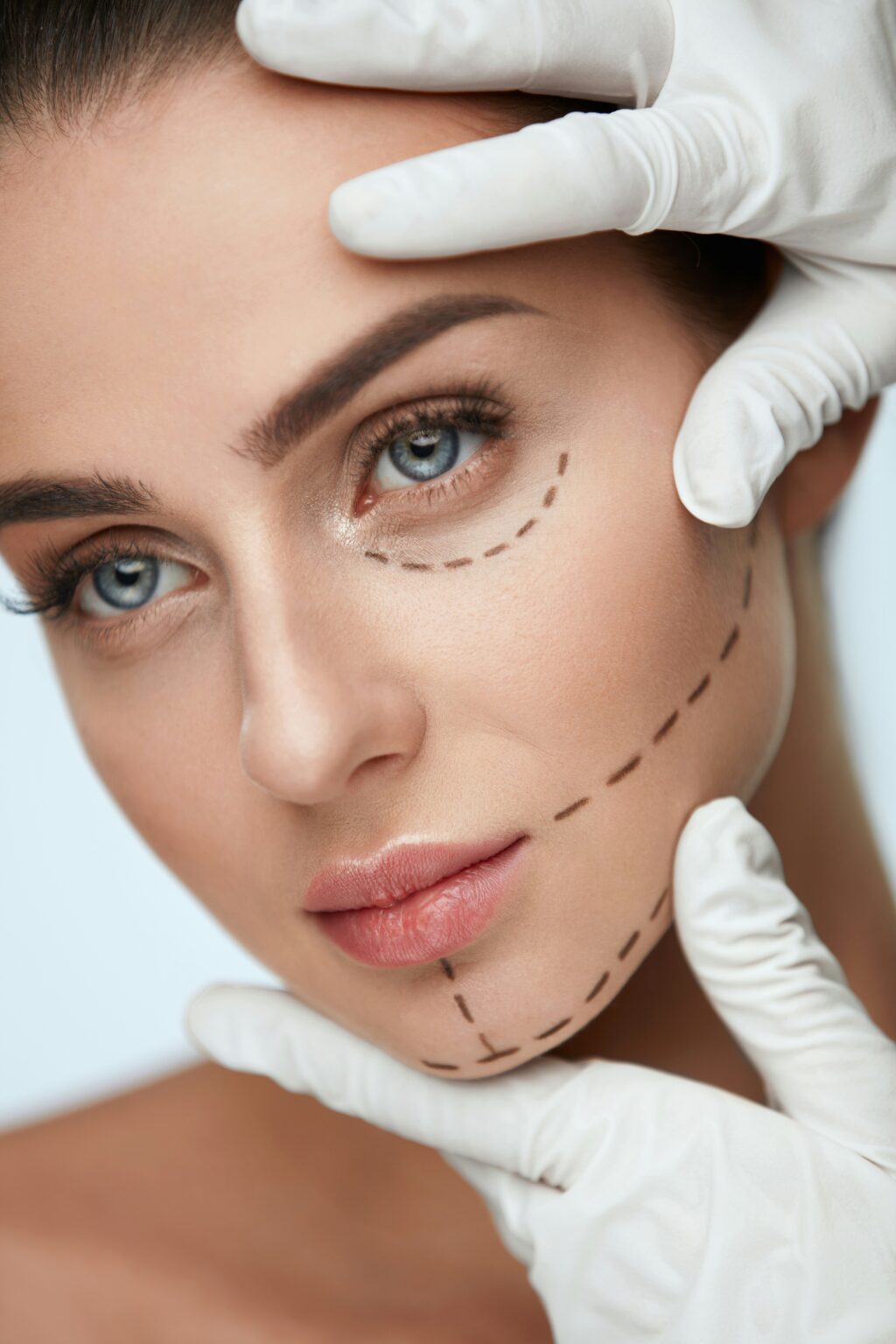
Mid-Facelift vs. Full Facelift: How to Decide Which Is Right for You

Joshua Korman, MD
06 June, 2026Overview
Choosing facial rejuvenation surgery can feel complex, especially when two procedures appear similar on the surface. Many patients researching Mid-Facelift vs Full Facelift want clarity on one essential question: which option will deliver natural-looking results while addressing only the areas that truly need correction?
The answer depends on where ageing is occurring, how much correction is needed, and what result feels right for your face. While both procedures are designed to restore a fresher appearance, they address different concerns and different areas of facial ageing.
Understanding the difference between a mid-facelift and a full facelift is often the first step toward making a confident, informed decision.
Understanding How the Face Ages
Before deciding between Mid-Facelift vs Full Facelift, it helps to understand that facial ageing rarely happens evenly.
Some people first notice flattening cheeks, tired eyes, or deeper smile lines. Others become more concerned by jowls, jawline softening, or neck laxity. Skin quality, genetics, bone structure, sun exposure, and weight changes all influence how the face evolves over time.
That is why the right procedure is rarely determined by age alone.
It is determined by anatomy, tissue position, and treatment goals.
What Is a Mid-Facelift?
A mid-facelift focuses on the central portion of the face, particularly the cheeks, under-eye transition, and folds around the nose and mouth. As cheek tissues descend, the face can begin to look tired, heavier, or less defined even when the jawline still appears youthful.
A midface lift repositions deeper support structures upward to restore contour and improve facial harmony. The goal is not to change how you look, but to restore balance between the eyes, cheeks, and mouth.
For patients comparing Mid-Facelift vs Full Facelift, this option is often attractive when ageing is concentrated in the cheek area, and lower-face laxity remains limited.
The result is usually subtle, elegant, and refined.
What Is a Full Facelift?
A full facelift treats more extensive ageing across the mid face, lower face, jawline, and frequently the neck. It is often considered when patients notice jowls, loose lower facial skin, deeper folds, heavier contours, or reduced neck definition.
Modern facelift surgery does not rely on simply pulling skin tighter. Advanced techniques reposition deeper structural layers to create smoother, longer lasting, and more natural outcomes.
In the discussion of Mid-Facelift vs Full Facelift, the full facelift is generally chosen when several facial zones need improvement together.
It offers a more comprehensive rejuvenation strategy.
Mid-Facelift vs. Full Facelift: The Main Difference
A mid-facelift focuses on cheek descent and the centre of the face.
A full facelift addresses a wider area, including the cheeks, jawline, lower face, and neck.
If your main concern is tired cheeks or early midface ageing, a full facelift may be more surgery than necessary.
If your main concern is jowls or neck looseness, a midface lift may not provide enough correction.
This is why expert assessment matters more than procedure labels.
Who May Be Better Suited for a Mid-Facelift?
Patients often lean toward a midface lift when they are mainly concerned by cheek flattening, early smile lines, under-eye hollowing linked to cheek descent, or mild facial ageing centred in the midface.
Many still have a defined jawline and little visible neck laxity. They may want noticeable rejuvenation without treating areas that still appear youthful.
Many patients exploring Mid-Facelift vs Full Facelift in their 40s or early 50s fit this pattern, although suitability always depends on tissue quality rather than age alone.
Who May Be Better Suited for a Full Facelift?
A full facelift may be more appropriate when ageing is most visible in the lower face. This often includes jowls, softened jawline contours, neck laxity, heavier lower facial tissues, or multiple ageing concerns happening at once.
For many patients, the jawline and neck create the strongest visual signs of ageing. When this occurs, the choice between a mid-facelift and full facelift often becomes clearer during consultation.
A comprehensive lift can restore harmony more effectively than treating one area in isolation.
Which Option Looks More Natural?
One of the most common concerns of patients has been whether facelift surgery will look obvious.
In reality, natural outcomes depend less on the procedure you choose, and more on the expertise of the surgeon performing it. Elegant results are achieved through technical precision, thoughtful planning, balanced lift vectors, and restraint, while overcorrection can compromise a natural appearance.
What About Recovery?
Recovery varies according to surgical technique, healing response, and whether additional procedures are combined.
A mid-facelift may involve a lighter recovery in some cases because fewer areas are treated. A full facelift may require more downtime initially because correction is more extensive. Both procedures involve swelling, healing phases, scar maturation, and gradual refinement over time.
When comparing facelift options, recovery should always be discussed in relation to your personal treatment plan rather than generic timelines online.
Can Other Procedures Be Combined?
Yes. Many facial rejuvenation plans are improved by combining procedures when clinically appropriate.
Some patients benefit from eyelid surgery if heaviness around the eyes contributes to a tired look. Others may need fat grafting to restore volume, skin resurfacing to improve texture, or neck contouring for stronger definition.
A patient researching Mid-Facelift vs Full Facelift may discover that volume loss or eyelid ageing is just as relevant as laxity.
This is why full-face assessment matters.
Why Provider Selection Matters
The difference between average and exceptional facelift results is rarely the name of the procedure.
It is the expertise behind it.
At World’s Leading Clinics, patients can explore a trusted network of globally recognised aesthetic clinics and providers known for advanced skill, refined judgement, and natural beauty outcomes. This helps patients seeking facial rejuvenation to connect with teams that prioritise safety, discretion, and personalised care.
Final Thoughts on Mid-Facelift vs. Full Facelift
There is no universal winner in the Mid-Facelift vs Full Facelift conversation.
A mid-facelift may be ideal for cheek descent, early facial ageing, and subtle refinement. A full facelift may be better for jowls, jawline definition, and neck rejuvenation.
The smartest decision is not choosing the most popular procedure.
It comes down to choosing the right procedure for your anatomy and your individual goals, whether that involves restoring mid-face volume, lifting the cheeks, refining the jawline, or improving neck contour and definition. With expert guidance and personalised planning, both approaches can achieve elegant, confidence-restoring results that feel entirely natural. Patients ready to explore their options can compare certified providers worldwide through World’s Leading Clinics.
Subscribe to get updates
Stay informed about our latest offerings and news.
By subscribing you agree to our Privacy Policy.