Back to treatments

Liposuction

Liposuction removes stubborn fat deposits that don’t respond to diet or exercise, reshaping body contours for a slimmer, more proportionate, and sculpted appearance.

Find a Provider

Overview

What is Liposuction?

Liposuction is a surgical procedure designed to remove localized fat deposits and improve overall body contour. It targets areas such as the abdomen, thighs, arms, hips, back, and chin where fat can persist despite consistent exercise and healthy eating. Using suction-assisted techniques, fat is removed through small incisions to create smoother, more defined contours.

Liposuction is not intended for weight loss or obesity treatment. Instead, it is a body-sculpting option for healthy patients with stable weight and realistic expectations. Advances in technique allow surgeons to tailor the approach to a patient’s anatomy and goals, helping improve precision while minimizing disruption to surrounding tissue. Results are long-lasting when patients maintain a stable weight and healthy lifestyle.

Dr. Ben Lee

M.D., F.A.C.S.

TL;DR Summary

Liposuction is a surgical body-contouring procedure that removes stubborn fat deposits not responsive to diet and exercise. It is not a weight loss solution but can enhance body shape when performed on healthy candidates. Expectations include a recovery period of several weeks, with most patients returning to everyday activities within 7–14 days. Results continue improving up to six months after surgery. Understanding candidacy, risks, preparation, recovery needs, and surgeon qualifications helps ensure safe and satisfying outcomes.

Cost of Liposuction

The cost depends on the number of treatment areas, the type of technique used, and surgeon expertise. Additional expenses include anesthesia, facility, and post-op care.

85-90% patient satisfaction

Success rates

$6,000

Average cost (USD)

250,000+ in the U.S.

Procedures performed annually

5-7%

Complication rate

Average cost (USD)

$6,000

Cost Range (USD)

$3,000-$10,000

Because liposuction is cosmetic, it’s not covered by insurance. Financing options are available, and combining multiple areas can increase costs but often improves overall balance.

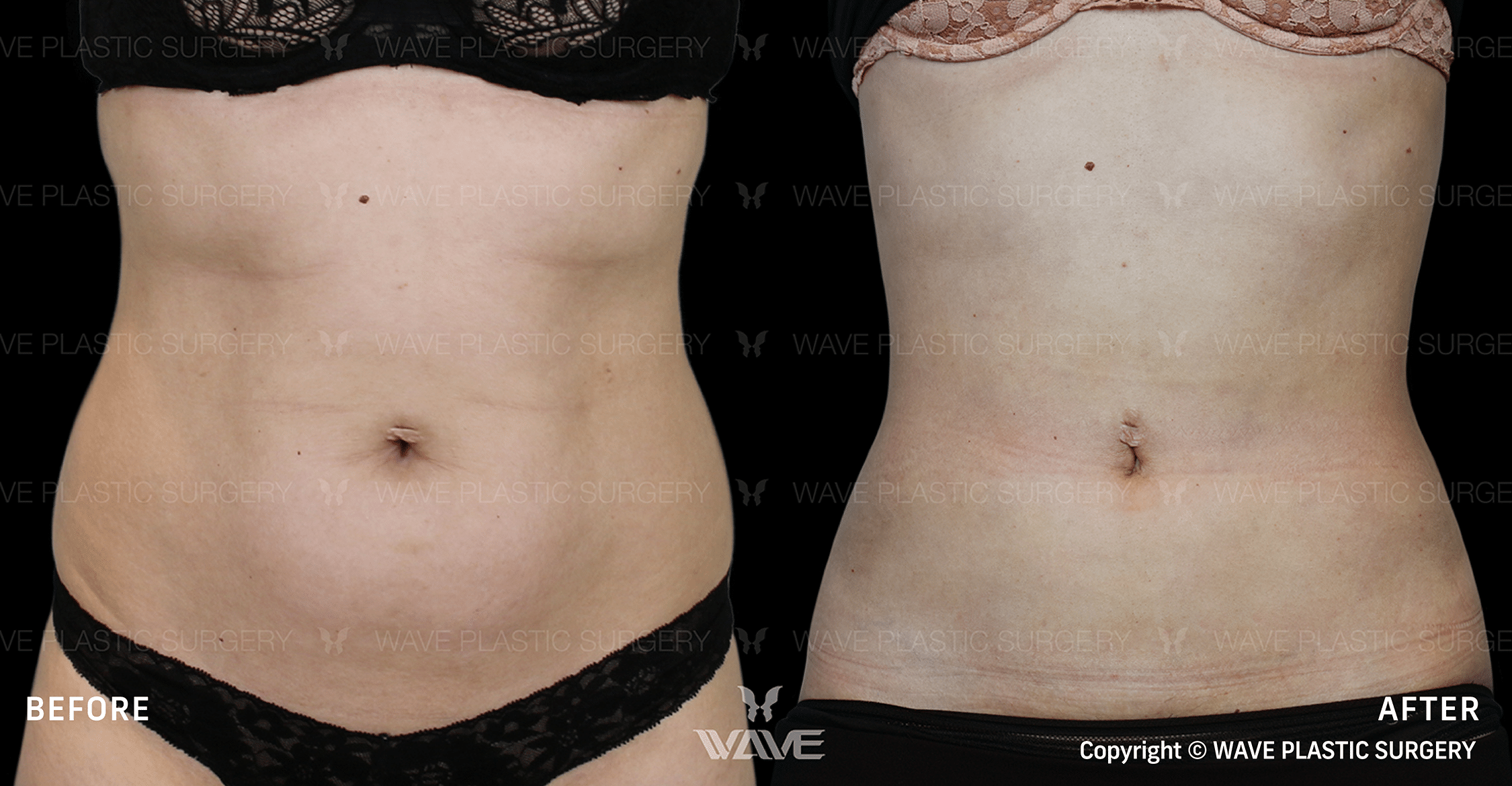
Liposuction Before and After Photos

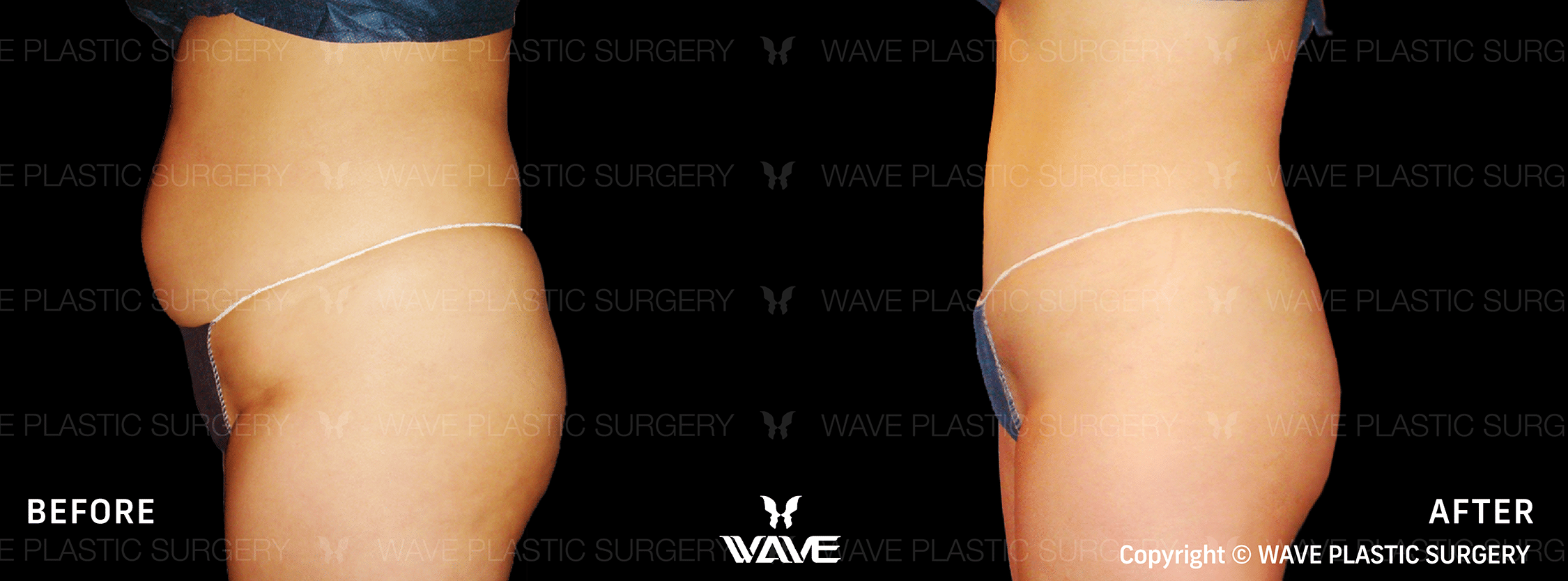
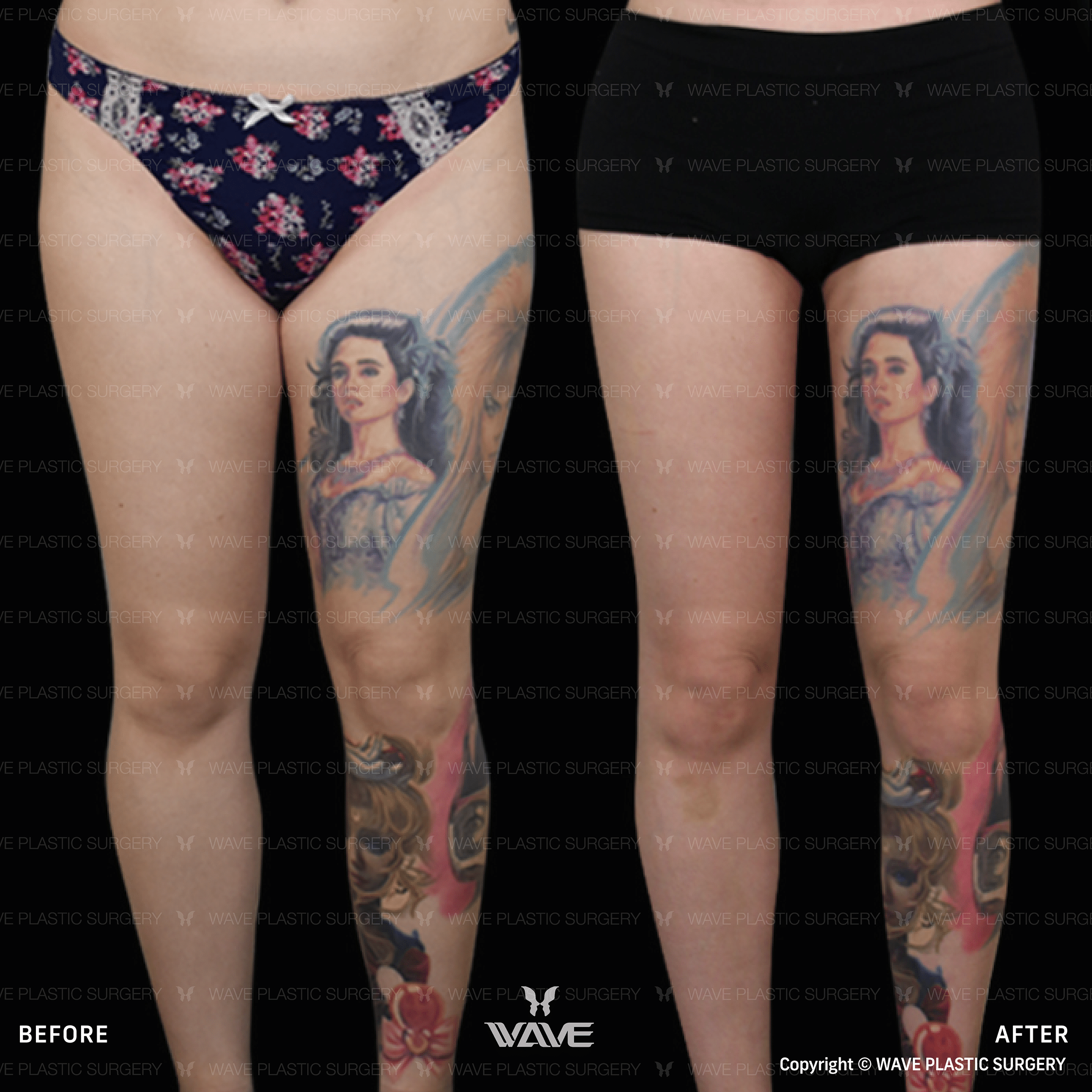
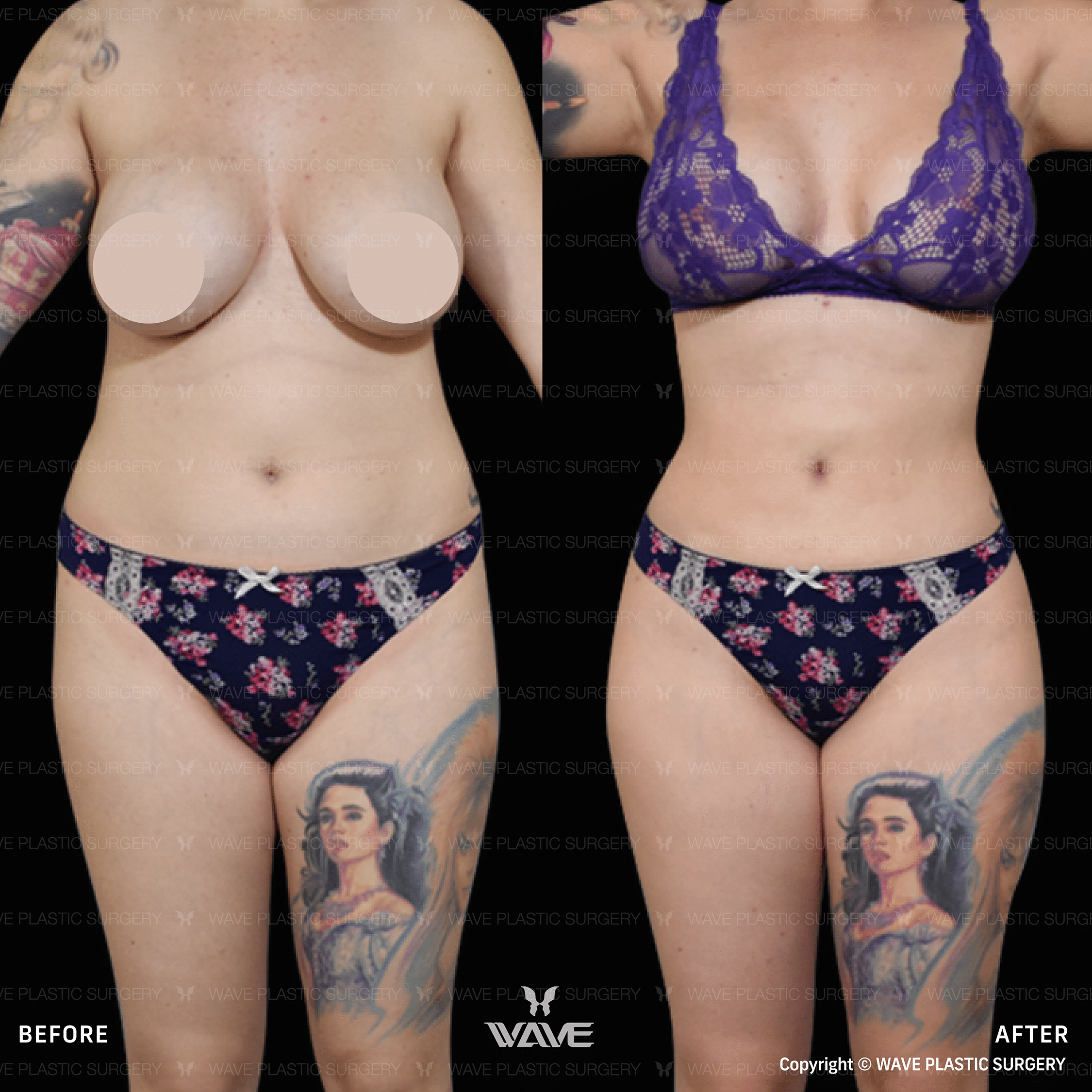
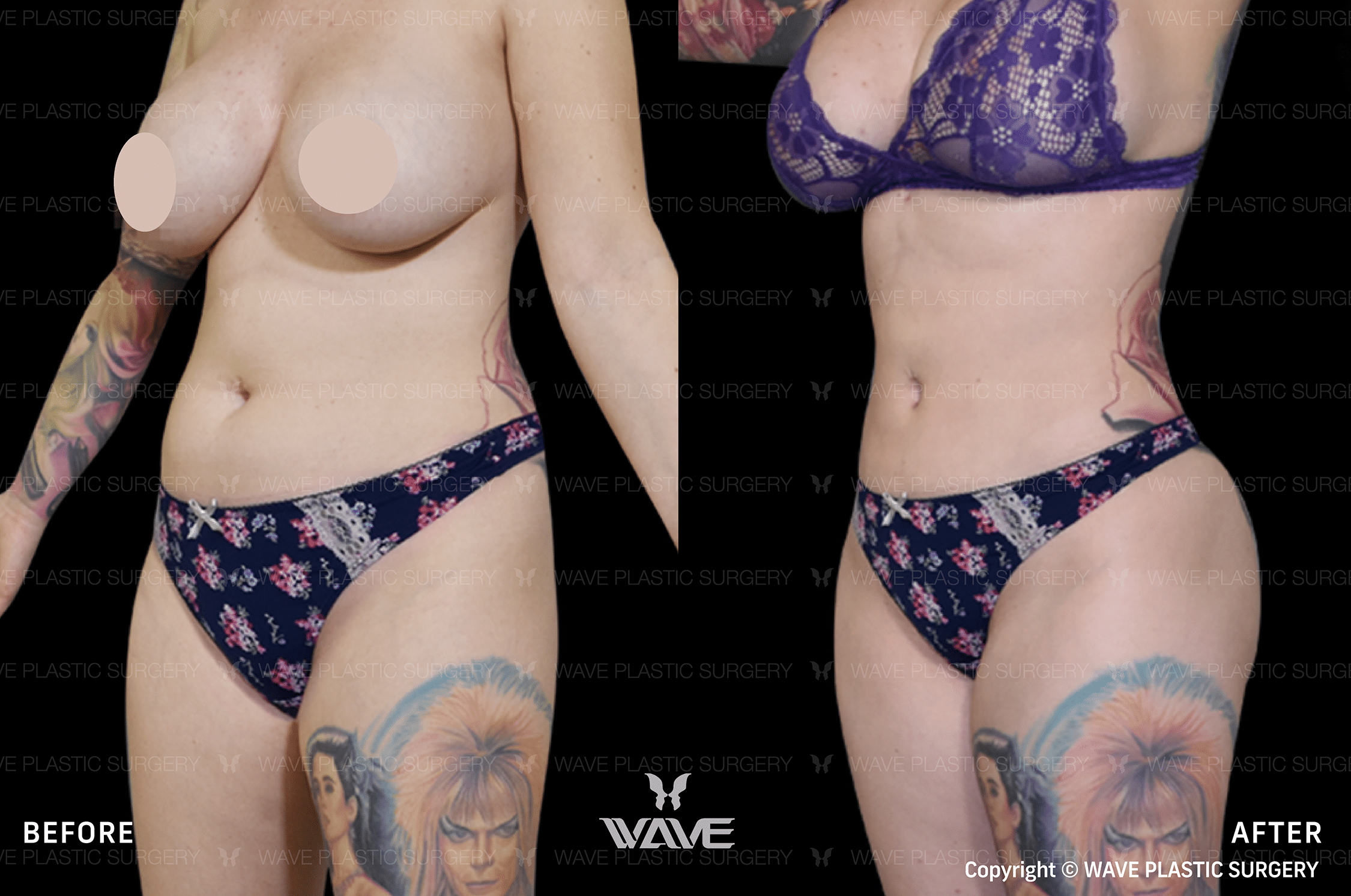
Before-and-after photos illustrate how liposuction can improve contour and proportion by reducing stubborn fat in targeted areas. Common outcomes include flatter abdominal contours, slimmer thighs, more defined arms, and refined jawlines. Individual results vary based on factors such as skin elasticity, fat distribution, overall health, and healing response. These images are intended to provide realistic context for what liposuction can achieve when performed as part of a personalized treatment plan.

Pros and Cons of Getting Liposuction

Pros

  • Removes stubborn fat resistant to diet/exercise
  • Improves body contours and proportions
  • Long-lasting results with stable weight
  • Can target multiple body areas
  • Boosts self-confidence
  • Small, discreet incisions

Cons

  • Not a weight-loss method
  • Requires anesthesia and surgery
  • Temporary swelling and bruising
  • Potential for uneven contours
  • Downtime required for recovery
  • Possible need for revision surgery

How it Works

Liposuction works by selectively removing excess fat cells to refine and reshape the body’s natural contours. A small cannula is used to gently suction fat from areas that have not responded to diet or exercise. While fat cells removed during liposuction do not return, remaining fat cells can still expand with weight gain, which is why long-term results depend on maintaining a stable lifestyle.

What it Treats

Liposuction treats localized fat deposits in areas such as the abdomen, thighs, arms, hips, back, and chin. These are areas where fat is often genetically resistant to exercise and dietary changes, making them difficult to address through non-surgical methods alone.

Procedure Time

Liposuction typically takes one to three hours, depending on the number of areas treated and the complexity of the procedure. It may be performed under local or general anesthesia based on the treatment plan and patient needs. Your provider will review timing, anesthesia, and safety considerations during consultation.

Eligibility

Liposuction is best suited for healthy patients who are near their target weight and have good skin elasticity. Ideal candidates are looking to reduce localized fat deposits rather than achieve significant weight loss. A consultation helps determine whether liposuction is appropriate based on anatomy, goals, and overall health.

Recovery & Downtime

Most patients return to light activity or work within one week. Swelling, bruising, and soreness are expected during early recovery, with compression garments commonly used to support healing and contour refinement. While initial changes may be visible sooner, final results typically develop over three to six months as swelling resolves and tissues settle.

What to Expect Before, During, and After Liposuction

Before Liposuction

Before surgery, your provider conducts a comprehensive consultation to review your medical history, assess targeted treatment areas, and align on realistic goals. This visit helps determine whether you are a good candidate for liposuction based on factors such as overall health, weight stability, and skin elasticity. Pre-operative preparation may include lab testing, medication adjustments such as pausing blood thinners, and planning for post-procedure recovery support to ensure a safe experience.

During Liposuction

During liposuction, small incisions are made in carefully selected areas to allow access to the fat layer beneath the skin. A thin cannula is used to loosen and remove excess fat through controlled suction, refining body contours while preserving surrounding tissue. The specific technique and anesthesia used depend on the treatment plan, the areas addressed, and individual patient needs. Procedure length varies based on the number of areas treated.

After Liposuction

After liposuction, compression garments are typically worn to help reduce swelling, support healing, and encourage smooth contouring. Bruising, swelling, and soreness are common during early recovery and gradually improve over time. Most patients return to light daily activities within about one week, while final results continue to develop over several months as swelling resolves and tissues settle. Following post-care instructions plays an important role in achieving optimal, long-lasting results.

Potential Risks and Side Effects from Liposuction

Contour irregularities

Skin may appear uneven or wavy due to fat removal. Elastic skin typically adapts well, but poor elasticity can increase the risk of irregularities.

Fluid accumulation (seroma)

Temporary fluid pockets may form under the skin. These are usually drained in follow-up visits and resolve without long-term effects.

Numbness or nerve irritation

Temporary numbness or tingling in treated areas is common. These sensations usually fade over weeks, though rare cases may have longer-lasting changes.

Frequently Asked Questions

Most patients return to work in one week. Swelling and bruising may last several weeks. Results appear gradually over three to six months as healing completes.

Yes. Fat cells removed during liposuction don’t grow back. However, remaining cells can expand with weight gain, so maintaining stable weight is essential for lasting results.

Light activity is usually safe within a week. You should wait to do any strenuous exercise for three to four weeks, or until cleared by your surgeon, to ensure safe healing.

Yes. Many patients treat multiple areas in one session for balance. Safety depends on overall health and extent of fat removal, so surgical planning is key.

Initial results appear after swelling decreases, usually within a few weeks. Final contour improvements are fully visible three to six months after surgery.

Sources & Studies

The following trusted sources support the information on this page:

Official ASPS resource outlining procedure details, risks, benefits, costs, and recovery.

Peer-reviewed study analyzing complication rates, patient satisfaction, and long-term safety of modern liposuction techniques.

Educational guide describing liposuction types, candidacy, and expected recovery timelines.

All references have been reviewed to ensure accuracy, safety, and medical reliability.

Locate a Certified Clinic for Liposuction

Discover trusted, world-class clinics verified for safety, expertise, and patient experience.