
Botox vs. Filler: What’s the Difference and Which Should You Choose?

Dr. Peter Lee
23 October, 2025
Understanding the Two Titans of Non-Surgical Aesthetics
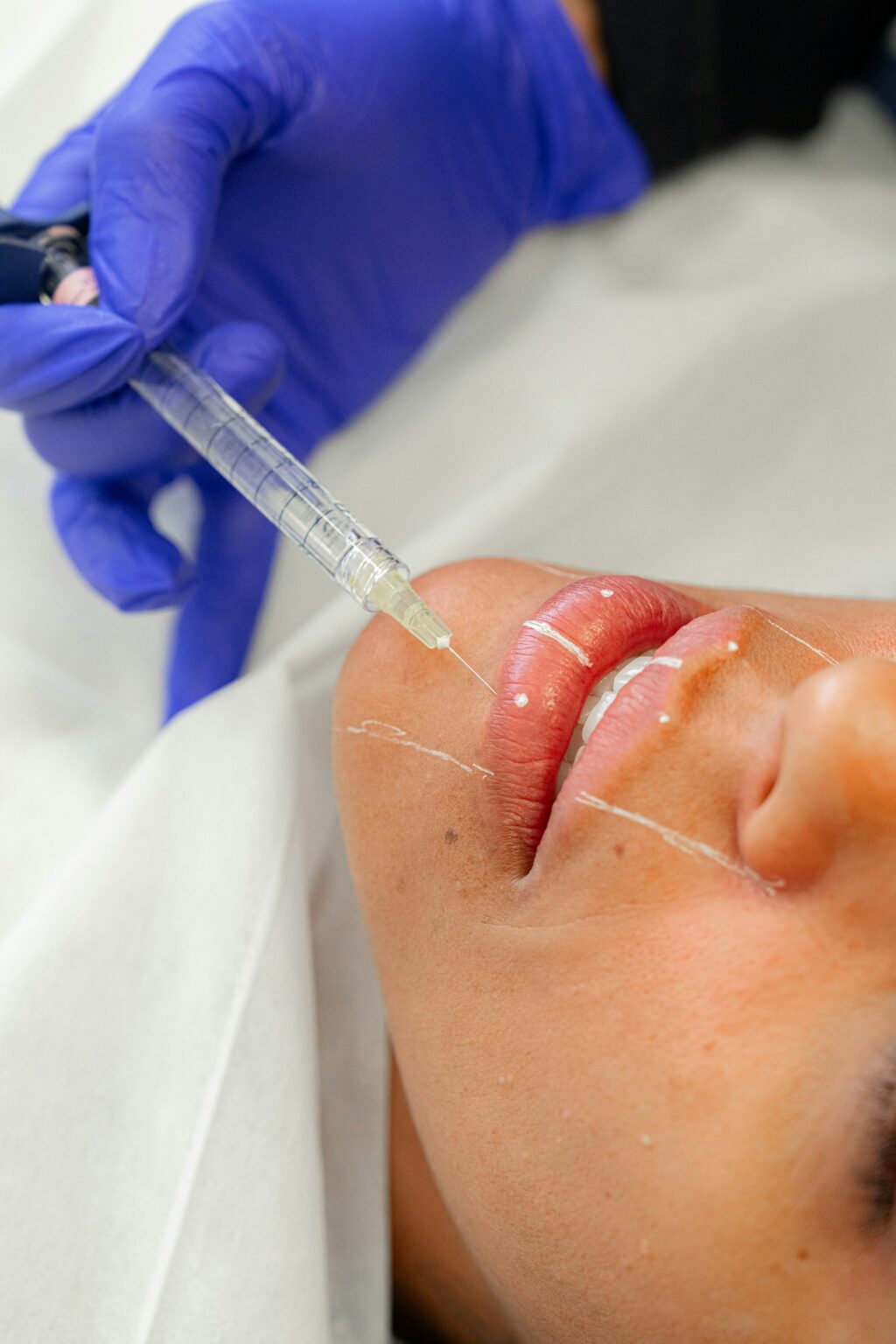
In the world of non-surgical cosmetic enhancements, Botox and dermal fillers, including lip filler, are among the most requested treatments; and for good reason. Both offer impressive results with minimal downtime, and both can help you look more refreshed, youthful, and confident.
But despite being grouped together under the umbrella of injectables, Botox and fillers serve very different purposes. They are also often combined with complementary treatments that address skin quality at a deeper level, which is why understanding how microneedling with PRP improves skin texture, tone, and collagen production can be just as important when deciding which one (or both) may be right for you.
In this article, we’ll break down how Botox and fillers work, what they’re used for, how long they last, what results you can expect, and how to make the right choice based on your personal aesthetic goals.
What Is Botox?
Botox is a purified form of botulinum toxin type A; a neuromodulator that temporarily relaxes muscles. By targeting specific facial muscles, Botox reduces their ability to contract, thereby softening dynamic wrinkles (the kind that form from facial movement).
Common Botox Treatment Areas:
- Horizontal forehead lines
- Frown lines (also called “11s” between the eyebrows)
- Crow’s feet (lines around the eyes)
- Bunny lines (on the nose)
- Chin dimpling or “orange peel” skin
- Neck bands (platysmal bands)
- Jawline slimming (masseter reduction)
How It Works:
Botox is injected into targeted muscles to block nerve signals, temporarily relaxing those muscles. This leads to smoother skin and fewer expression lines.
How Long It Lasts:
- Effects typically appear within 3-7 days
- Full results by 2 weeks
- Results last about 3-4 months on average
Botox is ideal for patients who want to prevent or reduce fine lines caused by muscle movement.
What Are Dermal Fillers?
Dermal fillers are injectable gels made from substances like hyaluronic acid (HA), calcium hydroxyapatite, poly-L-lactic acid, or PMMA. Unlike Botox, fillers do not affect muscle movement. Instead, they restore lost volume, fill in static wrinkles, and enhance facial contours.
Common Filler Treatment Areas:
- Nasolabial folds (smile lines)
- Marionette lines (lines from corners of mouth)
- Cheeks and midface
- Lips and lip lines
- Jawline and chin enhancement
- Under-eye hollows (tear troughs)
- Nose reshaping (non-surgical rhinoplasty)
- Hands
How They Work:
Fillers are injected beneath the skin to plump, lift, or sculpt areas that have lost volume or require more definition. HA fillers, the most common type, also attract water, further enhancing volume and hydration.
How Long They Last:
- Hyaluronic acid fillers (e.g., Juvederm, Restylane): 6-18 months depending on area and product
- Radiesse (calcium-based): Up to 12-18 months
- Sculptra (stimulates collagen): Gradual results lasting 2+ years
- Bellafill (permanent filler): Up to 5 years
Fillers are best for those who want to rebuild volume, smooth static wrinkles, or contour specific features.
Botox vs. Fillers: A Side-by-Side Comparison
| Feature | Botox | Fillers |
| Primary Function | Muscle relaxation | Volume restoration |
| Treats | Dynamic wrinkles | Static wrinkles, volume loss |
| Results Seen | 3-7 days | Immediate (HA fillers) |
| Duration | 3-4 months | 6 months to 2+ years |
| Downtime | Minimal | Minimal |
| Pain Level | Mild | Mild to moderate |
| Reversibility | Wears off naturally | HA fillers can be dissolved with hyaluronidase |
| Common Brands | Botox, Dysport, Xeomin, Jeuveau | Juvederm, Restylane, Radiesse, Sculptra, Bellafill |
Which Should You Choose?
Choosing between Botox and filler depends on your age, facial anatomy, aesthetic goals, and personal preferences. In many cases, patients benefit most from a combination of both.
Choose Botox If:
- You want to smooth forehead lines or crow’s feet
- Your wrinkles are caused by facial expressions
- You’re interested in wrinkle prevention
- You want a subtle refresh without adding volume
Choose Fillers If:
- You have deep folds around your mouth or nose
- Your cheeks, lips, or jawline have lost volume
- You want to enhance facial features
- You’re concerned about under-eye hollows or sagging
Choose Both If:
- You want comprehensive facial rejuvenation
- You have both dynamic and static wrinkles
- You want a balanced, natural result
- You’re open to maintaining your results long-term
Real-Life Example Scenarios
Patient A: Early 30s, fine lines forming:
This patient is starting to notice mild forehead lines and crow’s feet. Botox is a great first step for wrinkle prevention and softening. Fillers may not be needed yet.
Recommendation: Botox only.
Patient B: Mid 40s, volume loss and smile lines:
This patient has nasolabial folds, some hollowing in the cheeks, and early jowling. Fillers can restore midface volume, while Botox smooths expression lines.
Recommendation: Combination of Botox + fillers.
Patient C: Late 50s, deep wrinkles and sagging:
This patient has significant facial volume loss, deep folds, and more prominent wrinkles. A full facial rejuvenation plan using both fillers and Botox; possibly in combination with skin tightening treatments; will offer the best results.
Recommendation: Multi-modal approach with injectables.
Is There Downtime?
Both treatments involve minimal downtime, but there are a few things to keep in mind:
Botox Downtime:
- Some redness or small bumps at injection sites for 15-30 minutes
- Avoid lying down, working out, or massaging the area for 4-6 hours
- Bruising is rare but possible
Filler Downtime:
- Swelling, redness, or tenderness for 24-48 hours
- Bruising may last a few days
- Avoid alcohol, heat, and strenuous exercise for 24 hours
- Lips tend to swell the most if injected
Your provider may recommend arnica or ice to reduce swelling and bruising. Most patients resume normal activities the same day or the next.
Safety and Side Effects
Both Botox and fillers are considered safe when administered by qualified, experienced providers. However, risks include:
Botox Risks:
- Asymmetry or drooping (temporary)
- Headache
- Muscle weakness in unintended areas
- Allergic reaction (rare)
Filler Risks:
- Bruising, swelling, lumps
- Infection (rare)
- Overfilling or unnatural results
- Vascular occlusion (serious but rare; must be treated immediately)
These risks can be minimized by choosing a board-certified injector who understands facial anatomy and prioritizes safety.
Cost Considerations
The cost of Botox and fillers varies based on geographic location, provider experience, and the amount of product used.
Botox:
- Priced per unit (typically $10-$20 per unit)
- Most treatments require 20-60 units
Fillers:
- Priced per syringe (typically $500-$900 per syringe)
- Cheeks may require 1-3 syringes, lips usually 1-2
While fillers often cost more upfront, they also tend to last longer than Botox, which requires more frequent maintenance.
How to Get the Most Natural Results
The key to successful Botox and filler results lies in artistry and balance. The best outcomes look natural, not overdone. Tips to ensure you’re happy with your results:
- Choose a provider with a conservative, customized approach
- Bring inspiration photos, but be open to your injector’s expert advice
- Plan treatments around big events to allow healing time
- Don’t overdo it-subtle enhancements are more youthful
Your provider should assess your facial expressions, structure, and skin quality to design a treatment plan that enhances, rather than alters, your natural features.
Finding the Right Provider
Not all injectors are created equally. Choose someone who is:
- Board-certified in dermatology or plastic surgery
- Specializes in facial aesthetics
- Has a portfolio of before-and-after photos
- Uses high-quality, FDA-approved products
- Listens to your concerns and goals
Avoid pop-up med spas or bargain deals. You deserve the highest level of care
Final Thoughts: Botox vs. Fillers
Botox and dermal fillers, including lip filler, are powerful tools in the world of aesthetic medicine. While they work in different ways, they can complement each other beautifully when used strategically, particularly when combined with skin rejuvenation treatments. Understanding what to expect from microneedling with PRP for acne scars and skin rejuvenation can help you create a more comprehensive, non-surgical plan that supports smoother skin and long-term confidence.
Subscribe to get updates
Stay informed about our latest offerings and news.
By subscribing you agree to our Privacy Policy.