Back to treatments

Ballerina Breast Augmentation

Ballerina Breast Augmentation describes an aesthetic goal, not a single procedure. It focuses on subtle, balanced enhancement designed to complement your natural proportions. 

Overview

What is a Ballerina Breast Augmentation?

Ballerina Breast Augmentation is a term that describes a specific aesthetic goal: a subtle, natural enhancement that adds refinement and shape rather than dramatic volume. Inspired by the balanced, proportional look of a dancer’s frame, it can be achieved through fat transfer alone, small implants, or a hybrid approach, depending on your anatomy and goals.

The right technique depends on your starting anatomy, how much size increase you want, how much donor fat is available, and your comfort with implants. Fat transfer alone offers the most natural feel with a modest half-cup increase. Small implants provide predictable volume and consistent shape. Hybrid augmentation combines a small implant for base shape with fat over the upper pole for a seamless, natural transition.



TL;DR Summary

TL;DR: Ballerina Breast Augmentation focuses on subtle, proportional enhancement rather than dramatic size. Depending on your anatomy and goals, it may use fat transfer, small implants, or a hybrid approach to create natural-looking shape, gentle fullness, and balance that complements your existing frame.

Cost of a Ballerina Breast Augmentation

The cost of Ballerina Breast Augmentation depends on the technique selected, whether liposuction for fat harvest is included, the type of implant used, the surgeon’s experience, and facility and anesthesia fees. Request an itemized quote covering all components.

Published studies report high patient satisfaction for both fat transfer and hybrid breast augmentation, with favorable aesthetic outcomes and acceptable safety profiles when patients are appropriately selected

Success rates

Approximately $8,000 – $12,000 for many U.S. cosmetic breast augmentation procedures, though hybrid procedures and regional pricing may increase costs

Average cost (USD)

Part of a rapidly growing subtle-augmentation category; specific volume for the Ballerina aesthetic not separately tracked

Procedures performed annually

Reported as low to moderate in peer-reviewed studies; hybrid augmentation shows acceptable complication rates alongside implant-only and fat-only approaches

Complication rate

Average cost (USD)

Approximately $8,000 – $12,000

Cost Range (USD)

$6,500 – $18,000+ depending on technique and market

Ballerina Breast Augmentation is a one-time surgical investment with maintenance considerations. Insurance does not cover cosmetic augmentation. Fat transfer results may need a second session for optimal retention. Small implants typically last 15 to 20 years before replacement is considered 

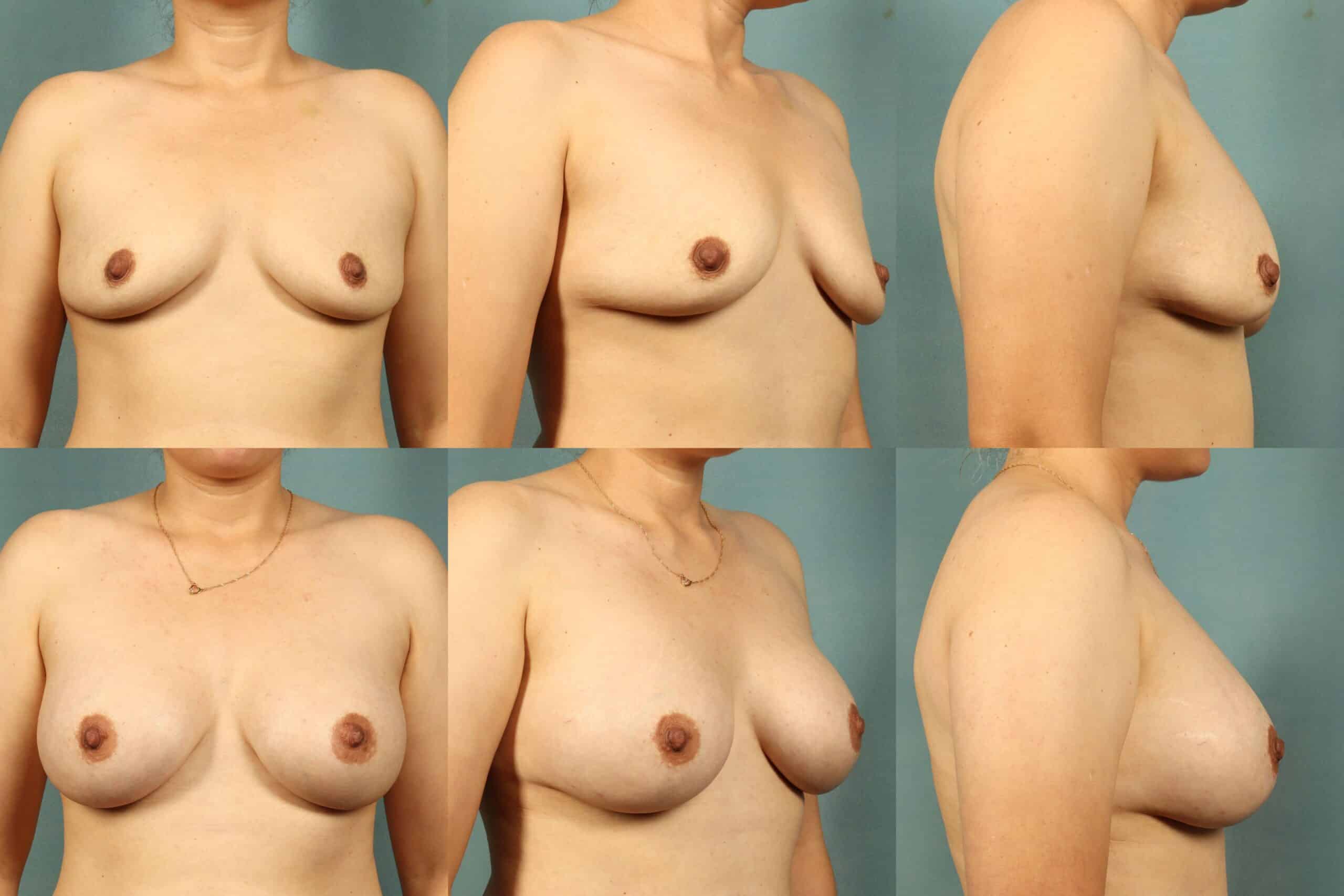
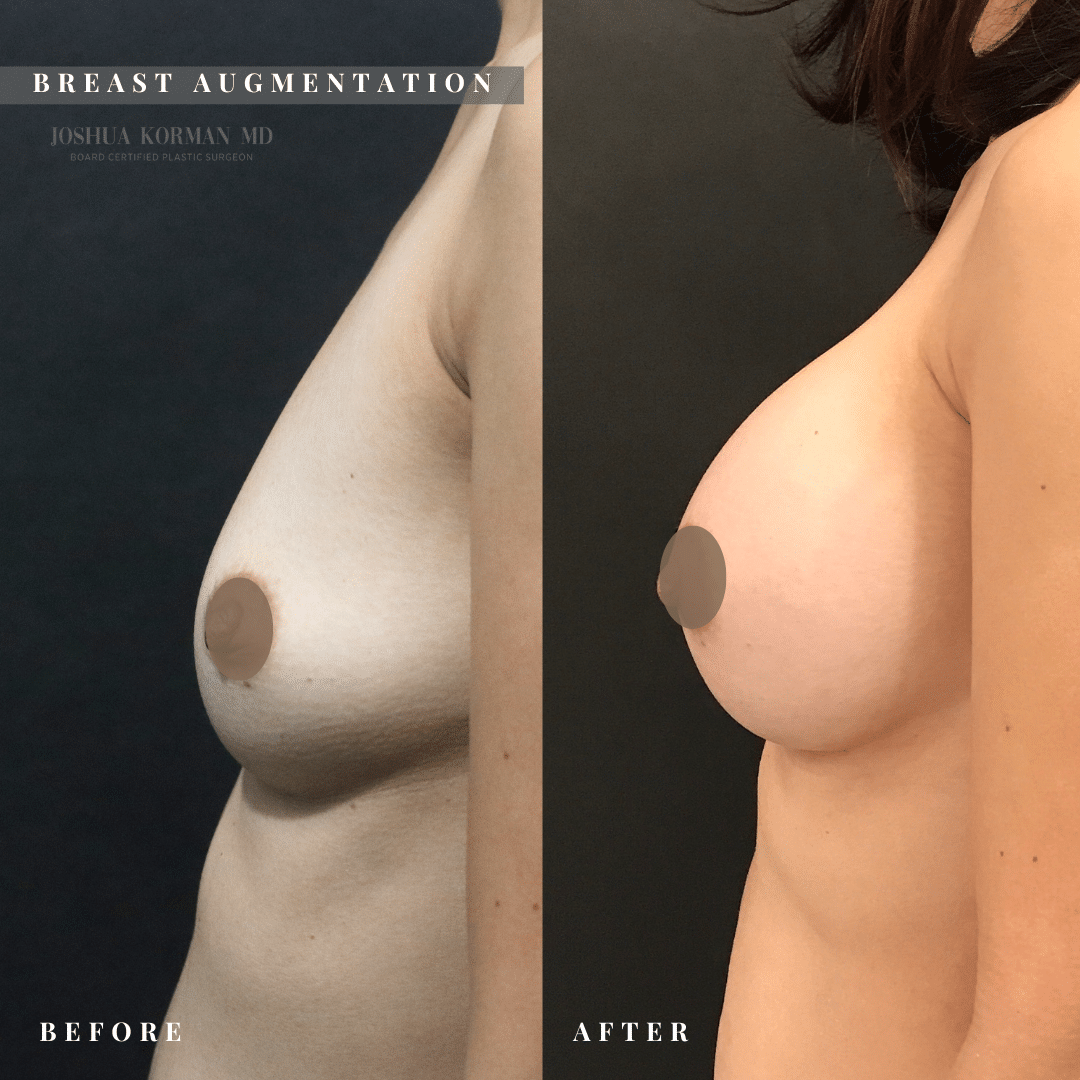
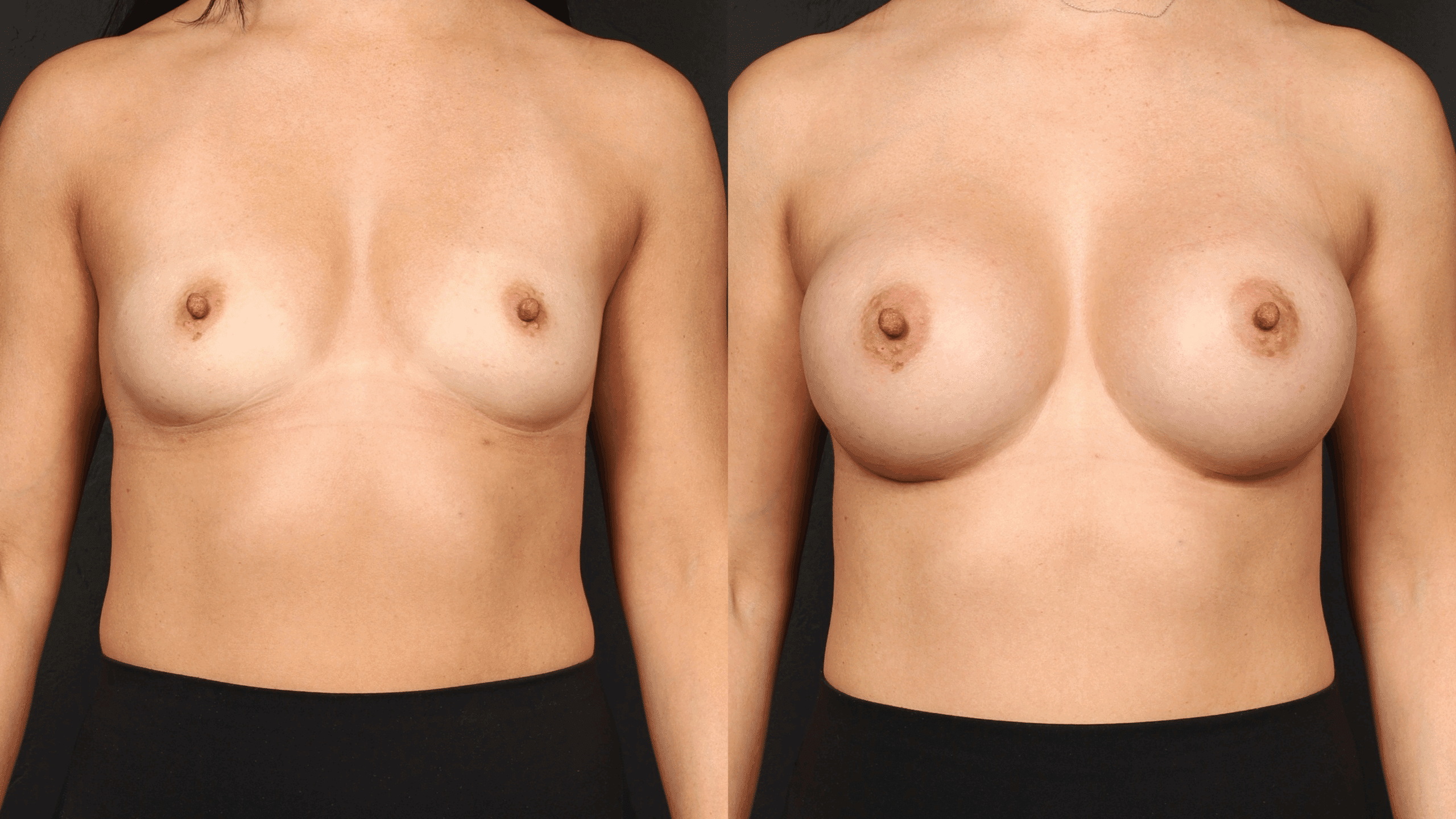
Ballerina Breast Augmentation Before and After Photos

Before-and-after photos are the most reliable tool for evaluating a surgeon’s work with Ballerina Breast Augmentation. Look for photos taken at consistent angles under matched lighting, ideally at three months, six months, and one-year post-surgery. Ballerina results settle over months as fat retention stabilizes and swelling resolves.

Pay attention to results across different starting anatomies, technique choices, and body types. Look for patients whose frame and starting breast tissue resemble your own; your anatomy often has a greater influence on the final result than the specific technique used.

Pros and Cons of Getting a Ballerina Breast Augmentation

Pros

  • Subtle, Natural-Looking Enhancement
  • Multiple Techniques Personalize the Result
  • Preserves Athletic and Active Silhouette
  • Hybrid Combines Base Shape and Soft Transition
  • Complements Body Contouring Through Liposuction
  • Peer-Reviewed Data Supports Favorable Aesthetic Outcomes


Cons

  • Lean Patients Often Don’t Have Enough Donor Fat
  • Fat Transfer Results Can Be Unpredictable
  • May Require Second Fat Transfer Session
  • Hybrid Procedures Are Longer and Costlier
  • Small Implants Still Carry Implant-Specific Risks
  • Long-Term Results Depend on Anatomy, Surgical Technique, and Healing

How it Works

Ballerina Breast Augmentation uses fat transfer, small implants, or both to refine breast shape, creating balanced proportions and subtle enhancement tailored to your anatomy. 

What it Treats

Ballerina Breast Augmentation addresses small breast volume, subtle asymmetry, upper pole hollowing, and lost fullness from weight change or pregnancy in patients seeking a natural silhouette. 

Procedure Time

Fat transfer alone typically takes 2 to 4 hours. Small implants take 1 to 2 hours. Hybrid procedures run 3 to 5 hours under general anesthesia. 

Eligibility

Healthy adults at stable weight with realistic expectations are candidates. Fat transfer requires adequate donor fat. Smoking significantly increases wound-healing complications; patients are typically required to stop well before surgery. 

Recovery & Downtime

Most patients return to desk work within one to two weeks. Most swelling and activity restrictions improve within four to six weeks, while final fat retention and implant settling continue over several months. 

What to Expect Before, During, and After a Ballerina Breast Augmentation

Before a Ballerina Breast Augmentation

Your surgeon reviews your medical history, aesthetic goals, prior procedures, and lifestyle, and 3D imaging is often used to model potential outcomes. Pre-operative bloodwork and medical clearance are standard, and patients are typically asked to stop smoking, blood thinners, and certain supplements several weeks before surgery.

During a Ballerina Breast Augmentation

Under general anesthesia, the surgeon performs liposuction to harvest fat if it's part of the treatment plan and processes the fat before either injecting it into targeted areas, placing small implants, or combining both approaches. The sequence and technique depend on your individualized surgical plan.

After a Ballerina Breast Augmentation

Expect bruising, swelling, and tightness at both the breast and donor sites during the first week, with compression garments typically worn throughout early recovery. Fat retention stabilizes over the following three to six months, and final results gradually emerge as swelling resolves and the tissues settle.

Potential Risks and Side Effects from a Ballerina Breast Augmentation

Fat Resorption

Long-term fat retention varies between patients, with many studies reporting approximately 40 to 60% retention after a single procedure. Some patients require a second fat transfer session to achieve their final result.

Implant-Specific Risks

Small implants carry the same category risks as larger implants: capsular contracture, malposition, rippling, and eventual replacement. Careful surgeon selection significantly reduces these risks.

Asymmetry or Unpredictable Retention

Fat transfer results can settle asymmetrically as retention varies between sides. Most cases can be addressed through revision fat transfer or minor adjustments at follow-up.

Breast augmentation uses implants, fat transfer, or a combination of both to restore fullness, correct imbalance, and refine breast shape. Patients turn to this treatment for renewed volume, improved symmetry, and a silhouette that matches their goals and anatomy. Below are the primary concerns this treatment addresses, each explained in more detail on its dedicated concern page.

Breast volume loss develops after pregnancy, weight change, or simply with age, as fat and glandular tissue diminish and the breast loses its earlier fullness. Implants or fat transfer restore that lost volume and rebuild a fuller, more proportionate shape.

Breast concerns cover the broader range of shape, size, and positioning changes that bring patients into consultation in the first place. Augmentation addresses this directly, rebuilding volume and adjusting proportion to fit the patient's frame and goals.

Asymmetry between breasts is common and can involve differences in size, shape, or position. Augmentation evens out that imbalance by adding targeted volume where it's needed, bringing both breasts into closer proportion.

Frequently Asked Questions

No. It describes an aesthetic goal, not a branded procedure. The look is achieved through fat transfer, small implants, or a hybrid of both, selected based on your anatomy and goals. 

Fat transfer alone typically produces a half-cup to full-cup increase. Small implants deliver more predictable volume. Hybrid augmentation combines both for a moderate increase with refined shape and seamless transition. 

Traditional augmentation typically prioritizes larger, more dramatic volumeBallerina Breast Augmentation prioritizes subtle enhancement, natural proportion, and body harmony. Both use similar techniques; the goals and product choices differ. 

Fat transfer results are permanent for retained fat, though 40 to 60% is retained long-term. Modern breast implants are durable but are not considered lifetime devices. Many remain intact for 15 to 20 years or longer, though replacement or revision may eventually be needed. Hybrid results combine both timelines. 

Patients with very thin frames lacking donor fat, unstable weight, unrealistic expectations about size, active infections, or uncontrolled medical conditions are typically not candidates. A consultation determines the appropriate technique. 

Sources & Studies

The following references support the safety, effectiveness, and clinical background of Breast Augmentation:

Hybrid Implant and Grafted Fat Breast Augmentation: Designing the Pathway to a Future With Breasts Free of Silicone Breast Implants

Hybrid Breast Augmentation: Double Benefit or Double Risk?

Hybrid breast augmentation: a surgical approach and formula for preoperative assessment of fat graft volume

Fat Grafting and Breast Augmentation: A Systematic Review of Primary Composite Augmentation

All sources reviewed for accuracy, safety, and current clinical relevance.

Providers for Ballerina Breast Augmentation

RN, BSN

Alexandra Pereira, RN, BSN, Aesthetic Nurse Injector at Bella Body Medical Spa in Yardley. ICU background. Botox, dermal fillers, biostimulator therapy.

Yardley, PA

Menopause Doctor

Dr Lucy Steed is a GP and British Menopause Society (BMS) Registered Menopause Specialist at Define Clinic in Beaconsfield, specializing in menopause care, hormone therapy, and midlife health. Her practice combines evidence-based treatment with a holistic understanding of physical wellbeing, mental health, and the lifestyle factors that influence health during the menopausal transition.

Wendover House, 24

Board-Certified Dermatologist

Dr. Regine J. Mathieu is a board-certified dermatologist at Behr Laser & Skin Care Center in Fresno, California.

Fresno, CA

Aesthetic Practitioner

Dr Arti Singh is an Aesthetic Practitioner and Dental Professional at Define Clinic in London, specializing in advanced facial injectables and evidence-based skin health treatments. Her practice is centered on facial balance, proportion, and individualized treatment planning, with a focus on achieving natural-looking results tailored to each patient's goals.

9, 10

Consultant Oculoplastic Surgeon & Aesthetic Practitioner, BMBCh MA (OXON) L7Cert FRCOphth

Dr Jennifer Doyle is a Consultant Oculoplastic Surgeon and aesthetic doctor at The Clinic Holland Park, specializing in surgical and non-surgical treatments around the eyes. An Oxford University graduate and Fellow of the Royal College of Ophthalmologists, she combines advanced oculoplastic expertise with a natural, conservative approach focused on refreshing and restoring the eye area.

London, UK

Locate a Certified Clinic for Ballerina Breast Augmentation

Discover trusted, world-class clinics verified for safety, expertise, and patient experience.